
 Worksheets
The Second Law of Thermodynamics
Total questions: 117
Worksheet time: 3hrs 54mins
What is the most fundamental law of science?
(a)
Who compared not knowing the second law to never reading Shakespeare?
(a)
According to Einstein, what physical theory will never be overthrown?
(a)
What law explains the cooling of hot coffee in a mug?
(a)
What theoretical performance measure does the second law help determine?
(a)
Name the two statements traditionally used to describe the second law.
(a)
What type of temperature scale is defined by the second law?
(a)
What is the Clausius statement of the second law?
What is the Kelvin–Planck statement of the second law?
What type of system always remains at constant temperature during heat transfer?
(a)
What is the entropy statement of the second law?
What property is not conserved and increases in irreversible processes?
(a)
What are the two types of irreversibilities?
(a)
Give an example of an external irreversibility.
(a)
What is an example of an internal irreversibility?
(a)
What thermodynamic process occurs without leaving a trace on surroundings?
(a)
What type of process involves a finite temperature difference?
(a)
In a reversible process, the system passes through a series of what states?
(a)
Name one commonly encountered cause of irreversibilities.
(a)
What is the term for a process that is both externally and internally reversible?
(a)
Who devised the Kelvin temperature scale?
(a)
What German physicist is associated with Planck’s constant?
(a)
What cycle is composed of two isothermal and two adiabatic processes?
(a)
What is the efficiency of an ideal Carnot cycle dependent on?
(a)
What is the maximum efficiency of a power cycle called?
(a)
What is the COP of a refrigeration cycle?
(a)
How does the second law apply to refrigeration cycles?
(a)
What type of heat transfer is involved in a reversible process?
(a)
What process compresses gas adiabatically in a Carnot cycle?
(a)
What process involves isothermal expansion in a Carnot cycle?
(a)
What happens during adiabatic expansion in a Carnot cycle?
(a)
What is the purpose of a heat pump?
(a)
What is the relationship between entropy and irreversibilities?
(a)
What does COP measure in a heat pump cycle?
(a)
A physicist who formulated the Kelvin scale
(a)
What property of a reservoir remains constant during heat transfer?
(a)
What kind of process involves no entropy generation?
(a)
What is the absolute temperature scale used in thermodynamics?
(a)
What is an example of a thermodynamic cycle?
(a)
What happens to entropy during a reversible process?
He is a novelist and physical chemist
(a)
Name a field where the second law is applied besides engineering.
(a)
What does the second law explain about the universe’s heat death?
What is the Carnot efficiency for a cycle operating between 2000K and 400K?
(a)
In what process does temperature remain constant while heat is added?
(a)
What type of process is adiabatic?
What does the term "entropy" quantify?
What does the second law predict about the direction of heat transfer?
What law governs the maximum thermal efficiency of engines?
(a)
What happens in an irreversible process?
(a)
Who described entropy as a measure of disorder?
(a)
What is the key performance parameter of a refrigerator?
(a)
What process compresses gas without heat transfer?
(a)
What kind of cycle involves heat transfer with thermal reservoirs?
(a)
What are the limits set by the second law called?
(a)
Name the two processes in a Carnot cycle where heat transfer occurs.
(a)
What process decreases temperature in a Carnot cycle?
(a)
What scientist is associated with radiation frequency and energy?
(a)
What concept applies to systems undergoing a power cycle?
(a)
What property is produced due to irreversibilities?
(a)
What happens to a system's entropy during an irreversible process?
(a)
What law of thermodynamics states that energy is conserved?
(a)
What type of thermodynamic process has no heat transfer?
(a)
What is the main objective of a refrigeration cycle?
What process increases entropy in a closed system?
(a)
What kind of process occurs extremely slowly without resistances?
(a)
What device transfers heat against the direction of natural flow?
(a)
Who contributed to the concept of entropy in thermodynamics?
(a)
What is the name of a theoretical cycle with maximum efficiency?
(a)
What happens to entropy in an isolated system?
What is the SI unit for entropy?
(a)
What is the entropy balance equation used for?
A system with no mass transfer across its boundary
(a)
What process allows gas expansion with no heat input?
(a)
What happens in a heat pump cycle?
What is the performance limit of real-world engines compared to ideal engines?
Heat transfer across a finite temperature difference
(a)
What happens when heat is transferred across a finite temperature difference?
(a)
Who developed the concept of thermal reservoirs?
(a)
What is the general principle of the second law for power cycles?
What happens to the surroundings during a reversible process?
What temperature scale is independent of thermometric substances?
(a)
Name one real-world device that relies on refrigeration cycles.
What is the efficiency of an impossible thermodynamic cycle?
(a)
What irreversible effect does friction have in a system?
What type of cycle does a refrigerator use?
(a)
What happens to heat in a heat pump operating between two reservoirs?
What are the two major thermal reservoirs in thermodynamic cycles?
(a)
What principle does the Clausius statement describe?
What is the primary requirement for a system to be in equilibrium?
What happens to energy in a system undergoing a heat transfer process?
What is the principle behind entropy increase in natural processes?
(a)
What process releases heat to the cold reservoir in a Carnot cycle?
(a)
What kind of system always returns to its original state in cycles?
(a)
How does entropy transfer occur in closed systems?
What thermodynamic process has maximum efficiency theoretically?
(a)
What irreversibility arises from unrestrained expansion of gas?
(a)
What device is designed to transfer energy as heat from low to high temperature?
(a)
What irreversibilities occur during mixing of two fluids?
(a)
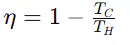
what formula is this?
(a)
What is the name of your instructor?
Three alternative statements
contributed to the theory of electrolysis (the breaking down of a compound by electricity)

What is this?
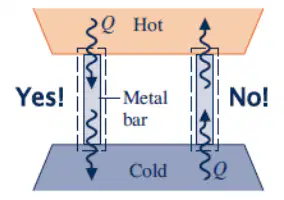
What type of statement is this?
(a)
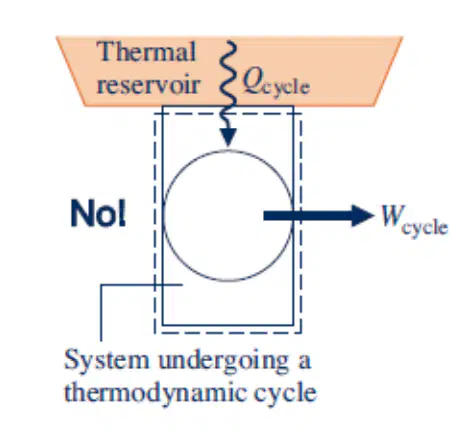
What statement is this?
He was able to deduce the relationship between the energy and the frequency of radiation.
(a)
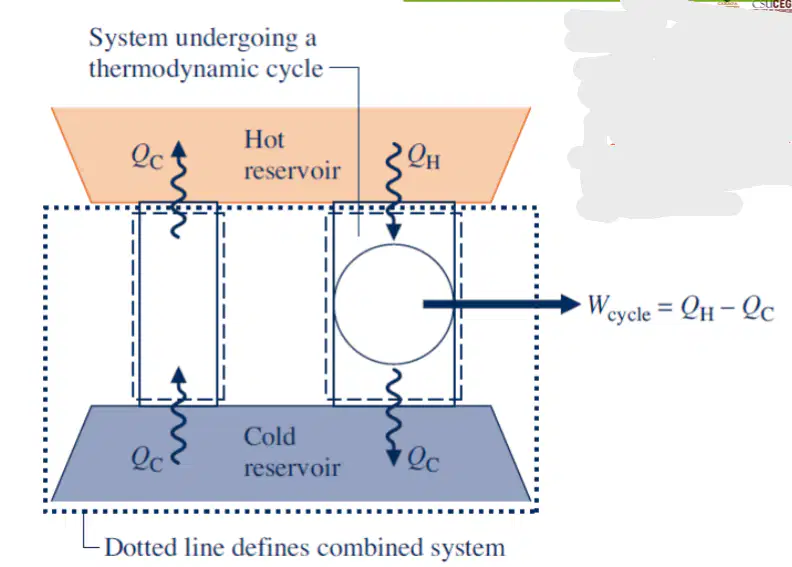
Identify the figure
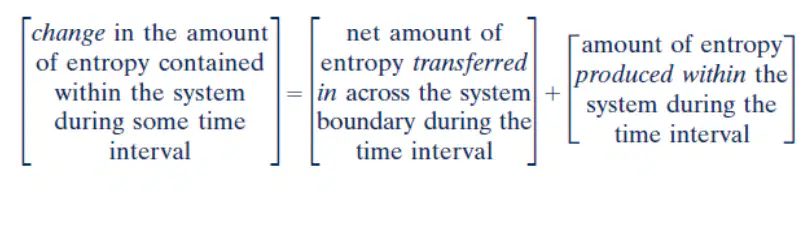
identify
(a)
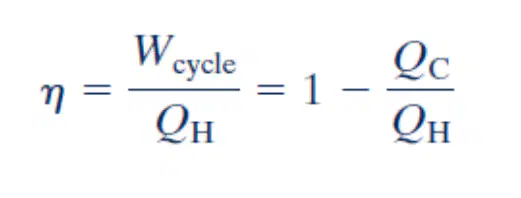
identify
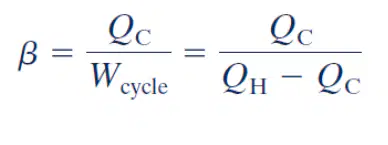
identify
(a)
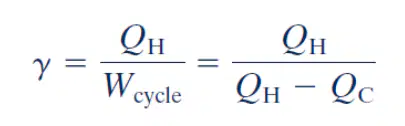
identify
(a)
The coefficient of performance of an irreversible refrigeration cycle is always less than the coefficient of performance of a reversible refrigeration cycle when each operates between the same two thermal reservoirs.
true
false
. All reversible refrigeration cycles operating between different two thermal reservoirs have the same coefficient of performance.
true
false
The value of the Carnot efficiency increases as 𝑻𝑯 increases and/or 𝑻𝑪 decreases.
true
false
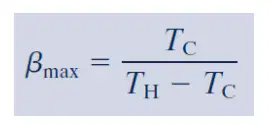
identify
(a)
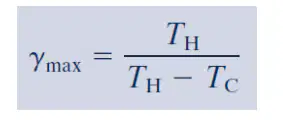
identify
(a)

