
 Worksheets
Civics Units 1-6 Review
Total questions: 107
Worksheet time: 5hrs 49mins
What is citizenship?
A form of social security benefits.
Legal status of being a member of a country
The process of becoming a citizen.
A type of identification card.
What are the responsibilities of citizens?
Obeying laws, paying taxes, voting in elections, serving on juries, and participating in community activities.
Obeying laws, paying taxes, voting in elections, serving on juries, and participating in political campaigns.
Obeying laws, paying taxes, voting in elections, serving on juries, and participating in protests.
Obeying laws, paying taxes, voting in elections, serving on juries, and participating in social media debates.
Obeying laws, paying taxes, voting in elections, serving on juries, and participating in community activities.
What is the importance of citizenship?
Citizenship only grants individuals responsibilities without any rights.
Citizenship is not important as it does not provide any benefits.
Citizenship is only important for individuals who want to travel internationally.
Citizenship is important because it grants individuals certain rights and responsibilities within a country.
What are the benefits of being a citizen?
Voting rights, access to public services, legal protection, and participation in democracy.
Limited access to public services, exclusion from democracy, and no legal protection.
No voting rights, limited access to public services, and no legal protection.
Access to private services, limited legal protection, and exclusion from democracy.
What are the duties of citizens?
Obeying laws, paying taxes, serving on juries, defending the country if necessary, and participating in the democratic process by voting and staying informed.
Obeying laws, paying taxes, serving on juries, defending the country if necessary, and participating in the democratic process by voting and staying informed.
Obeying laws, paying taxes, serving on juries, defending the country if necessary, and participating in the democratic process by voting.
Obeying laws, paying taxes, serving on juries, defending the country if necessary, and participating in the democratic process by staying informed.
Obeying laws, paying taxes, serving on juries, defending the country if necessary, and participating in the democratic process by protesting and demonstrating.
What is the role of citizens in a democracy?
To participate in the decision-making process, vote, stay informed, and hold elected officials accountable.
To blindly follow the decisions of elected officials
To ignore political issues
To protest against government policies

This amendment indicates who is and who is not a citizen of the United States.
6th Amendment
13th Amendment
14th Amendment

A system by which men ages 18 through 25 register with the U.S. government for military service is know as:
Selective Service
Jury Duty
Citizen Responsibilities
There are three paths to citizenship in the United States. What are they?
Law of Blood, Law of Soil, and Selective Service
Law of Blood, Law of Land, Naturalization
Law of Blood, Law of Soil, and Naturalization
__________ establishes that a person's citizenship at birth is the same as that of his or her biological mother or father.
law of blood
law of soil
naturalization
__________ establishes that a person's citizenship at birth is determined by the country where he or she was born.
law of blood
law of soil
naturalizaiton
___________ means being a member of a nation or country and having full responsibilities under the law.
citizenship
naturalization
immigration
What is the final step in the naturalization process?
Interview
Oath of Allegiance
Apply and pay the fee
How many years do you have to live in the US before applying for citizenship (imagine you are not married)?
3
5
7
If you are born in another country to one or two American parents, are you a US citizen?
Yes
No

Activities citizens must do are called . . .
rights.
responsibilities.
duties

Activities citizens should do are called . . .
rights.
responsibilities.
petitions.
Is the following a duty/ obligation or a responsibility:
Obeys Laws
Is the following a duty/ obligation or a responsibility:
Voting
Is the following a duty/ obligation or a responsibility:
Paying Taxes
Is the following a duty/ obligation or a responsibility:
Jury Duty
Ø Jury Duty
Ø Paying Taxes
Ø Promising to Defend the Nation
Ø Attending School (up to age 16)
What are these?

To be a naturalized citizen, a person must--
be 18 years or older
be a resident of the U.S. at least 5 years
all of these
pass a citizenship test
In English history, the Magna Carta (1215) and the English Bill of Rights (1689) both reinforced the concept of
universal suffrage
a limited monarchy
religious toleration
a laissez-faire economy
The people who came to the American colonies in the 17th century had already been exposed to the idea of limited government thanks mainly to
the Magna Carta
the Constitution
the Council of Trent
the Articles of Confederation
The Mayflower Compact was unique because it
was the foundation for the Declaration of Independence.
allowed black colonists freedom centuries before emancipation.
allowed colonist to import slaves from Africa to work on southern plantations.
was the first example of colonial self-government in northeastern North America.
The first written plan of self-government in a British colony in North America was the
Magna Carta
Mayflower Compact
Petition of Right
Fundamental Orders
The idea of an accused person's right to due process was originally found in which English document?
Mayflower Compact
Magna Carta
Prince Harry's letter of resignation
social contract
The ideas contained in the Declaration of Independence were MOST influenced by
absolute monarchy
the Federal system
social contract theory
royalists
According to the ideals of government as espoused by the Enlightenment, all citizens have the right to life, liberty, and property. These rights are known as
civil rights
states rights
natural rights
federal rights
The civilization that gave us Direct Democracy
Egyptian
Sumerian
Greek
Roman
What was another name for the French and Indian War?
The 7 years war
The American Civil War
The Great War
What did the British do to pay for the debt from the French and Indian war?
Nothing, they did not need the money
Get money from France
Tax the colonist
Which act, taxed sugar and demanded that colonist only buy sugar from Great Britain?
The Sugar Act
The Quartering Act
The Stamp Act
Which act, taxed sugar and demanded that colonist only buy sugar from Great Britain?
The Sugar Act
The Quartering Act
The Stamp Act
Which act was a taxes on all paper products, like newspapers, playing cards, books, etc.
The Sugar Act
The Quartering Act
The Stamp Act
Which act stated that colonist had to let British soldiers live with them, and they had to feed them?
The Sugar Act
The Quartering Act
The Stamp Act
Because of the high tax on tea, some colonist decided to ________________________.
Send the tea back to Britain
Dump the tea into Boston Harbor
Which country did the colonist fight during the Revolutionary War?
France
Great Britain
Spain
What was one result of the Treaty of Paris of 1783?
Great Britain recognized the United States as an independent country.
Competing Seminole and Spanish claims in West Florida were resolved.
The British navy agreed to stop pressing American sailors into service.
British territory in eastern Canada was ceded to France.
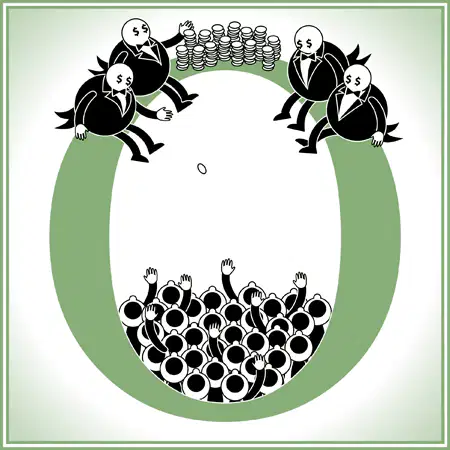
If a small group (council) of people formed a self-appointed government to take care of themselves. What form of government do they represent?
Monarchy
Oligarchy
Democracy
Autocracy

What type of government does the United States have?
Theocracy
Autocracy
Republic
Absolute Monarchy
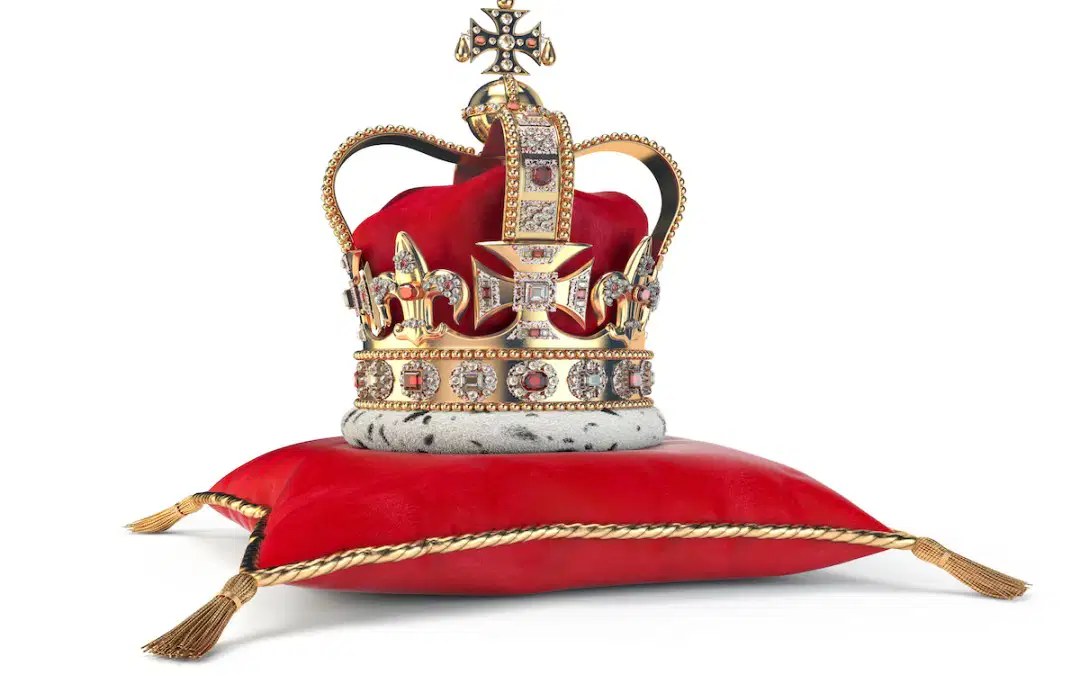
Someone becomes the ruler of their country only because they inherited it at birth from their family. What form of government is this?
Oligarchy
Theocracy
Democracy
Monarchy
What do an absolute monarchy, dictatorship, and oligarchy have in common?
The head of state is chosen by Parliament
A single individual or small group exercises control over government
Political power is exercised by representatives elected by the people
Their citizens decide public issues for themselves

Which form of government gives the most power to ordinary citizens?
Democracy
Autocracy
Theocracy
Oligarchy
Which statement applies to all types of monarchies?
Their ruler holds absolute power, unlimited by Parliaments or constitutions
They combine the executive and legislative branches
The monarch's power, whether total or limited, is establish in a written constitution
The monarch inherits his or her power at birth
Representative democracy is also known as:
Confederal
A Republic
A Dictatorship
Socialist

The way a government is structured:
Form of government
System of government

Where authority is held or how power is distributed
Form of government
System of government
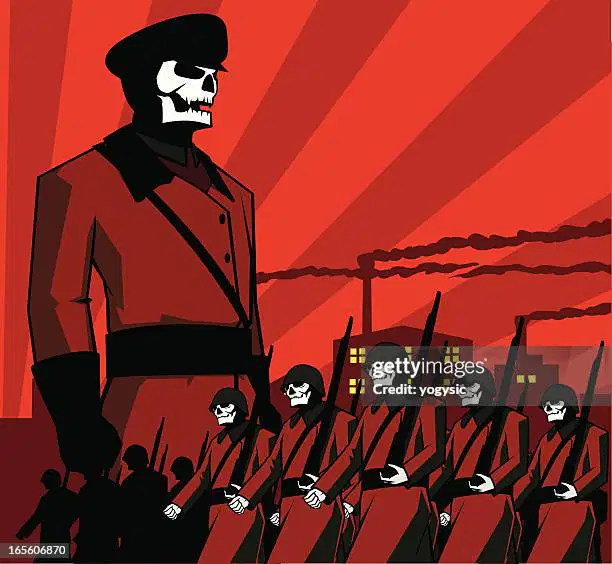
A military leader who becomes the head of a country, often by force:
Oligarch
Dictator
Socialist
Governor
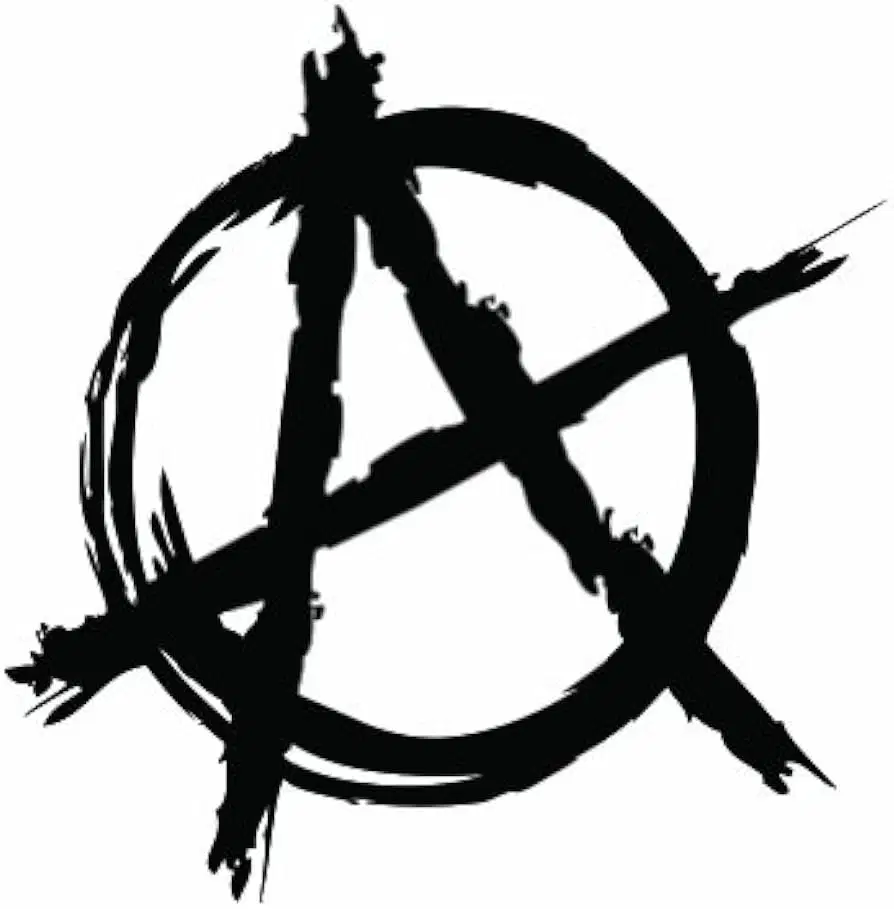
What is the type of government where there is no ruler in charge, and and no structure of authority?
Theocracy
Oligarchy
Theocracy
Anarchy
Jane lives in a direct democracy. What does that mean?
She will be brought up on charges if she does not vote.
She votes for representatives who decide on the issues and laws.
She personally votes on every issue and law.
As a citizen, she is a member of the government and sits in Congress.
Jane lives in a direct democracy. What does that mean?
She will be brought up on charges if she does not vote.
She votes for representatives who decide on the issues and laws.
She personally votes on every issue and law.
As a citizen, she is a member of the government and sits in Congress.
Joe lives in a representative democracy. What does that mean?
He will be brought up on charges if he does not vote.
He votes for representatives who decide on the issues and laws.
He votes for directly for every law made in that country.
As a citizen, he is a member of the government and sits in Congress.
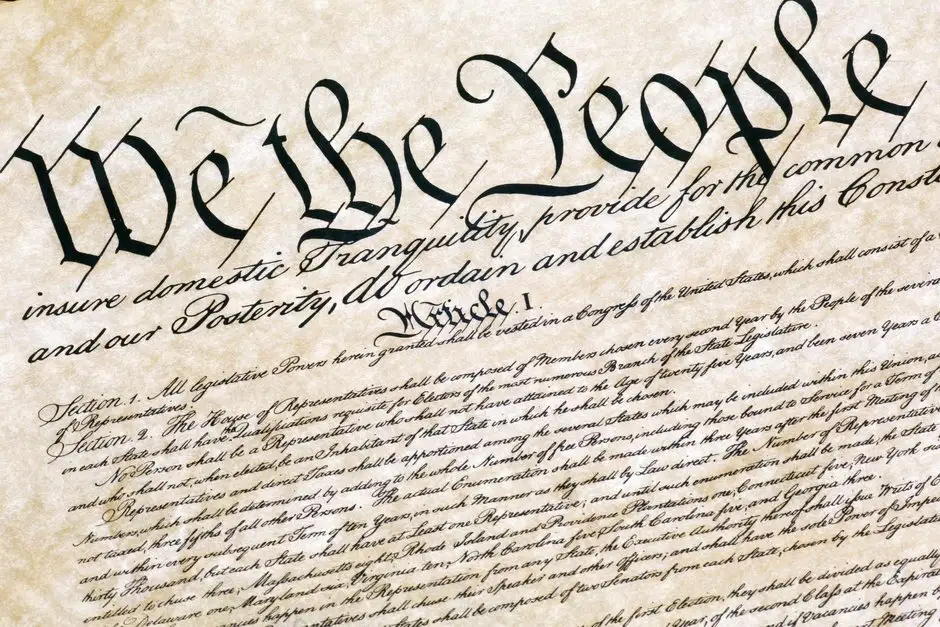
A written document that provides a framework (plan) for government
Constitution
Judicial Review
Statute
Declaration
Which form of government is described in the situation below?
•In my country, we are not allowed to conduct business or work on Sundays. Often, you can hear chants over the loud speakers, and people usually take this time to reflect and pray. We have some individual freedoms, but we must live our lives in accordance to religious scriptures.
Monarchy
Dictatorship
Theocracy
Democracy

Which form of government is described in the situation below?
•In my country, our voices are often suppressed. We are only allowed to watch three specific television channels, and all of them are controlled by the government. Education and individualism is not a priority. Most people in my country do not go to higher schools and are encouraged to pledge their services to the government when they are older.
Dictatorship
Monarchy
Democracy
Theocracy
Which form of government is described in the situation below?
•My country places much value on individual liberties. People have the right to speak freely, practice any religion, get an education, and marry whom they want. We are taught to respect diversity and individuality and look to make change by being an active part of the government process.
Democracy
Autocracy
Theocracy
Oligarchy
Three military leaders take over a nation. They make all the rules and do not allow any discussion. What kind of government does this nation have?
Autocracy
Democracy
Oligarchy
Theocracy
Which form of government has one person in charge?
Direct Democracy
Autocracy
Republic
Oligarchy

What do a republic and direct democracy have in common?
Rule by a king or queen
Rule by the people
Rule by religious principles
Military rule
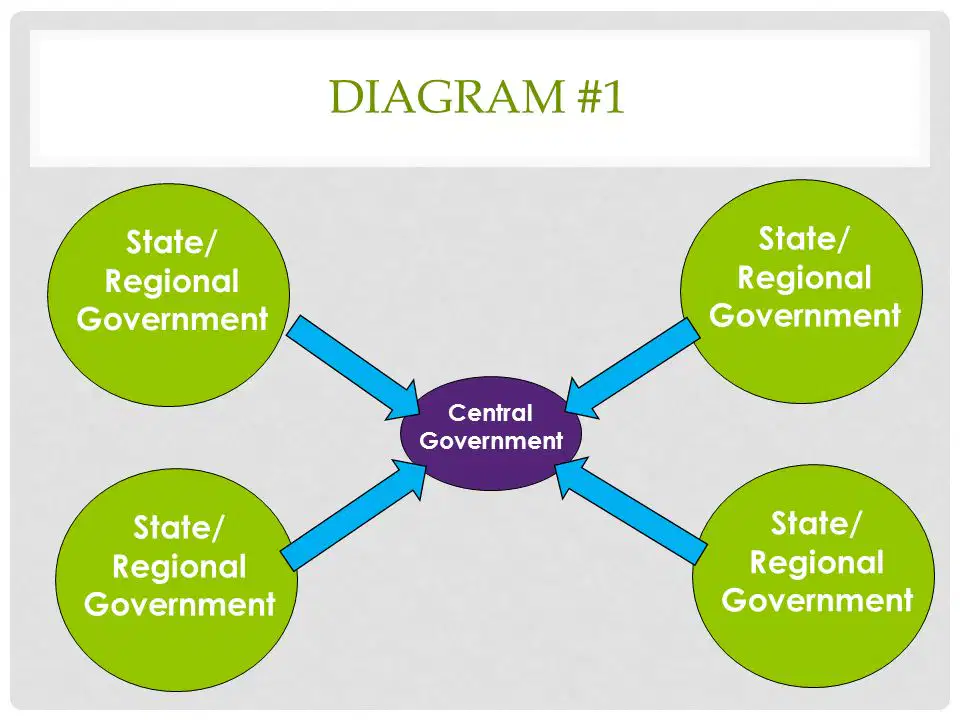
Where is power concentrated in a confederal system of government?
It is shared between the states and the central or national government
Local governments
The central government
The state governments
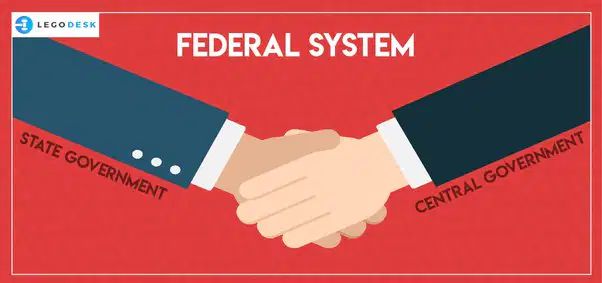
Where is power concentrated in a federal system of government?
Power is shared between the central and the state governments
The local governments
The state governments
The central government
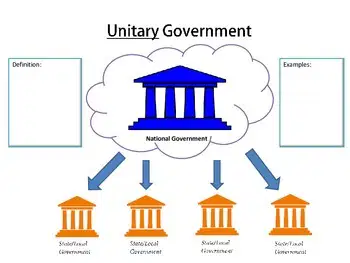
Where is power concentrated in a federal system of government?
The state and central government share authority
The central government
The state governments
The local governments
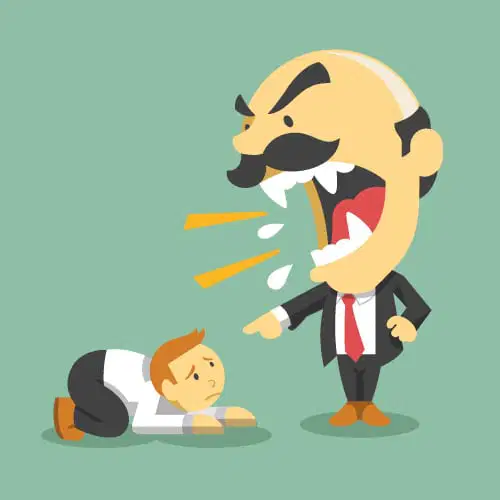
Authoritarian or totalitarian are words to describe which form of government?
Direct Democracy
Monarchy
Dictatorship
Oligarchy
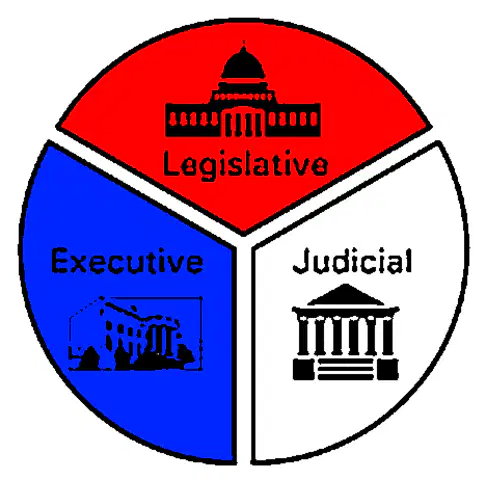
Why does the United States separate their government into three separate branches (departments), each with their own responsibilities/powers and abilities to stop actions of the other two branches?
To ensure that the leader maintains total control
To prevent the people from gaining too much power
To ensure no single branch of government becomes too powerful
To keep the power in the hands of the central government
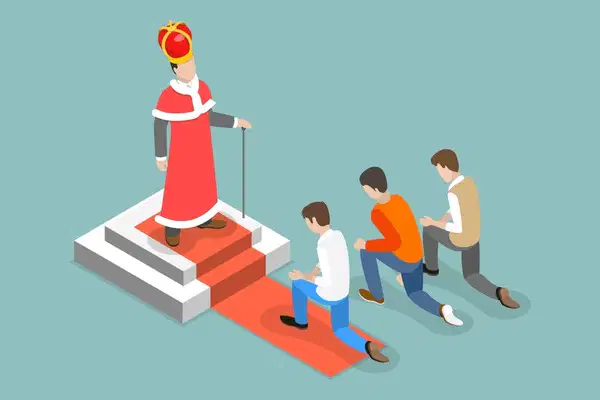
A form of government led by a king/queen who has total control and no limits on his/her power.
Constitutional monarchy
Absolute monarchy
Direct democracy
Republic
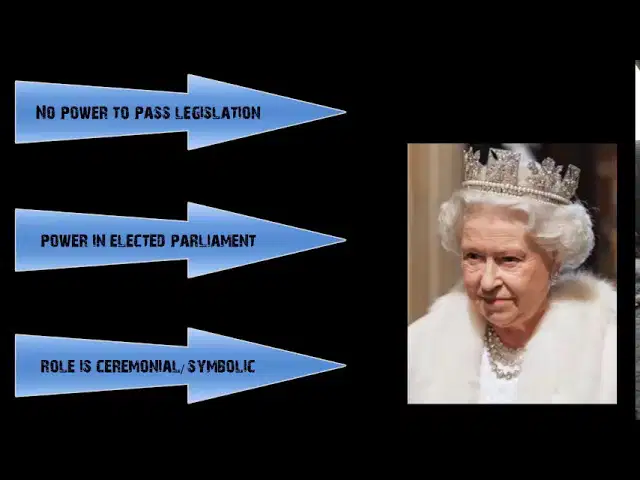
A form of government led by a king/queen that is limited by a written set of rules.
Constitutional monarchy
Absolute monarchy
Theocracy
Republic


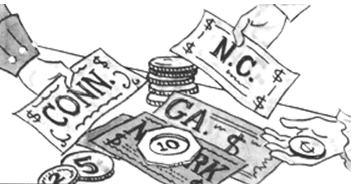
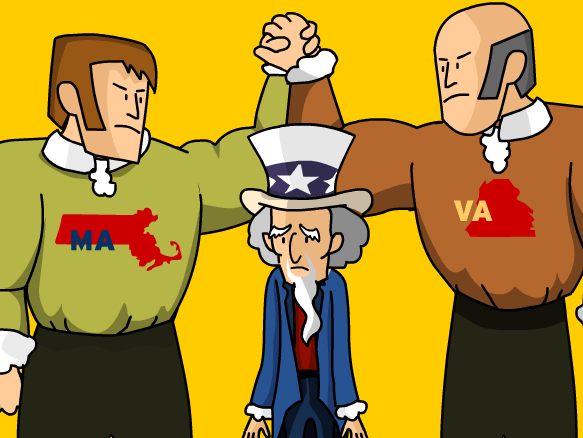
Which state was NOT a part of the Articles of Confederation?
New York
Virginia
Georgia
Florida
The Articles of Confederation _____ because they created a _____ national government.
failed, strong
failed, weak
succeeded, strong
succeeded, weak
Who wrote the Articles of Confederation?
1st Continental Congress
2nd Continental Congress
3rd Continental Congress
4th Continental Congress
Since the Articles were weak and the nation had problems, _____________.
They decided to be a colony again.
They met again to make a new plan.
They added on more ordinances.
Introductory part of a statute or deed stating its aims
Preamble
Concurrent Power
Amendments
An addition made to a constitution, statue, or legislative bill
Amendment
Preamble
Implied power
Separate branches are empowered to prevent actions by others
Checks and Balances
Supremacy Clause
Delegated power
Powers specifically granted to the federal government
Expressed powers
Implied powers
Delegated powers
Political powers granted to the U.S. government not stated
Implied powers
Concurrent powers
Enumerated powers
Powers shared by both the federal and state governements
Concurrent powers
Expressed powers
Articles
Powers expressly granted to the federal government
Enumerated powers
Implied powers
Preamble
The 4th Article to the Constitution regards...
Relations among states
Judicial Branch
Amending the Constitution
Supremacy of the Constitution
Article I is centered on
The Legislative Branch
The Executive Branch
Ratification
The Judicial Branch
This branch of government CREATES THE LAWS.
Legislative branch
Executive branch
Judicial branch
This branch of government ENFORCES the law.
Legislative branch
Executive branch
Judicial branch
This branch of government INTERPRETS the law (making sure they follow the Constitution)
Legislative branch
Executive branch
Judicial branch
The ----- wanted representation in Congress based on state population.
New Jersey Plan
Missouri Plan
Virginia Plan
Texas Plan
The ----- wanted representation in Congress based on equality.
New Jersey Plan
Missouri Plan
Virginia Plan
Texas Plan
This compromise solved the conflict over counting slaves towards representation in Congress.
Missouri Compromise
Great Compromise
3/5ths Compromise
Compromise of 1850

This compromise settled the dispute over representation in Congress by satisfying big and small states. Created a bicameral (two-part) Congress.
Missouri Compromise
Great Compromise
3/5ths Compromise
Compromise of 1850

