
Font size
 Worksheets
Ebert Spanish 1 Final 24-25
Total questions: 65
Worksheet time: 3hrs 15mins
Hola
Hello
Goodbye
Good morning
And you

Based on this image, what phrase would you use to greet someone?
Buenas noches!
Buenas tardes!
Buenos días!
Hola!
“_______” is the more formal version of “you”.
Ustú
Vos
Tú
Usted
Which of the following is considered the familiar (informal) version of “you” in most Spanish-speaking countries?
Nosotros
Tú
Vosotros
Usted
People usually use the usted form when they want to _______.
Address younger people or kids
Show extra friendliness
Be respectful
Talk to younger family members
Tú and usted are both Spanish words for _______.
He/ She
You
They
We
ochenta y dos
92
82
28
78

11
uno
once
trece
diez y uno
sesenta y siete
17
76
66
67

53 en español ...
Cincuenta y cinco
quince y tres
Cincuenta y tres
Cuarenta y siete
Son las diez y media de la noche.
12:20 p.m.
10:30 p.m.
10:40 a.m.
10:15 a.m.
Son las dos y tres.
2:13
12:03
2:03
2:23
Son las nueve y catorce.
9:04
8:56
7:15
9:14
Which pronoun correctly completes the sentence: "A mí _ gusta el chocolate"?
te
le
me
nos
Which pronoun correctly completes the sentence: "A ti _ gustan los libros"?
me
te
le
les
How do you express "We like the beach" using "gustar"?
Me gusta la playa.
Nos gusta la playa.
Les gusta la playa.
Te gusta la playa.
Which pronoun correctly completes the sentence: "A ella _ gusta bailar"?
te
le
me
nos
Which pronoun correctly completes the sentence: "A ellos _ gusta viajar"?
me
le
les
te
We use "Me gusta..."
When we are talking about one thing that we like
When we are talking about plural things that we like
We use "Me gustan..."
When we are talking about one thing that we like
When we are talking about plural things that we like
I like cookies. (In Spanish)
Me gusta la galleta.
Me gustan las galletas.
I do not like orange juice. (In Spanish)
No me gusta el jugo de naranja.
No me gustan los jugos de naranjas.
I do not like french fries.
Me gusta papas fritas.
Me gustan papas fritas.
No me gustan papas fritas.
No me gusta papas fritas.
I like to swim.
Me gusta nadar.
No me gustan nadar.
No me gusta nadar.
Me gustan nadar.
What is the correct conjugation of the verb 'hablar' (to speak) in the 'yo' form?
hablamos
habla
hablaba
hablo
Conjugate the verb 'comer' (to eat) in the 'ella' form.
come
comé
comes
comemos
Fill in the blank: Tú ______ (nadar) en la piscina.
nadas
saltas
cantas
corres
What is the -er ending for the "tú" form?
es
o
en
emos
What is the -ir ending for "nosotros"?
-emos
-amos
-imos
-es
What is the first step when you want to conjugate a verb?
Remove the last letter
Add an ending
Add the letter 'o'
Remove the last two letters
Yo _______ en clase. (escribir)
escribes
escribo
escribimos
escriben
Fill in the blanks with present tense of the verb.
Rosa y Carlos _______________ en Marietta.
corren
corre
corres
Fill in the blanks with present tense of the verb.
Mis amigos y yo ______________ música en el café.
escucho
escuchas
escuchamos

Which subject would you use if you were talking about a group of BOYS?
nosotras
vosotras
ellas
ellos

Yo
Tú
él
ella
What is the Spanish subject pronoun for "she"?
Ella
Él
Tú
Nosotros
What is the subject pronoun for : Mis amigos y yo?
Ellos
Vosotros
Nosotros
Ustedes
What is the subject pronoun for Juan y Ana?
Nosotros
Ellos
Ellas
Ustedes

Which sentence has the correct pronoun and verb to describe the photo?
Ellos son amigos.
Tú eres mi amiga.

Marco y Paula __ de Chile.
son
es
somos
sois
Use ser when
asking where someone is from
Origin
Saying your mom is a construction worker
Occupation
Telling your teacher that you are honest
Character
To ask for a description
Description
To say who your cousin is
Relationship
Use estar to express
That you feel sick
That you are kind
That you are from Nicaragua
Who your best friend is
Use ser to express
that you are tired
that you are sick
that you are at home
That you are a student
Ellas (a) hermosas.
Yo (a) en Italia
Uses of estar
My backpack is near the door.
Position
Your friends are in Chile.
Location
Those guys are happy.
Emotion
My Chromebook is dead.
Condition
I am going to camp.
Action
Conjugate the verb ir
yo
voy
ella
va
nosotras
vamos
ellos
van
vosotros
vais
What is the difference between tener and tener que?
Tener expresses what you have and certain sensations like cold, hot, thirst, hunger.
Tener que is "to have to" and expresses duty/obligation
Tener expresses what you have to do and when you have to do it
Tener que expresses what you have and certain sensations like cold, hot, hunger, thirst. Tener is "to have to" and expresses duty and obligation
Tener expresses time and dates
Match ir/ ir + a + infinitive expressions with their translations
Yo voy al cafe
I go to the cafe.
Ella no va al parque
She does not go to the park.
Yo voy a beber un cafe
I am going to drink coffee.
Ella no va a jugar al parque
She is not going to play at the park
Nosotros vamos a bailar
We are going to dance.
Match the following English sentences to their Spanish expressions
I am going to eat Italian food
yo voy a comer comida Italiana
I am Italian
Yo soy Italiano/a
I am from Italy
Yo soy de Italia
I am in Italy
Yo estoy en Italia
I am going to Italy
Yo voy a Italia
Put the following into the Spanish -ing form
Ellas / hablar
Ellas hablaron
Ellas van a habar
Ellas estan hablando
Ellas tienen que hablar
Put the following into the Spanish - ing form
Yo/comer
Yo tengo que comer
yo estoy comiendo
Yo estoy como
Yo voy a comer
Put the following into the Spanish -ing form
Nosotros/ escribir
Nosotros van a escribir
Nosotros somos escribiendo
nosotros estamos escribiendo
Nosotros tenemos que escribir
Tengo que dormir=
I am going to sleep
I do not sleep
I have to sleep
I have slept
Ellos tienen dos hermanas
They have to harmonize
They have two sisters
They are going to get hernias
They have a harness.
Mi amiga...

tiene calor

tiene frio
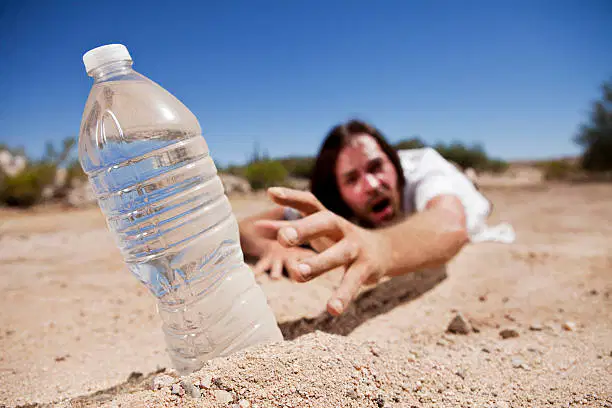
tiene sed

tiene hambre
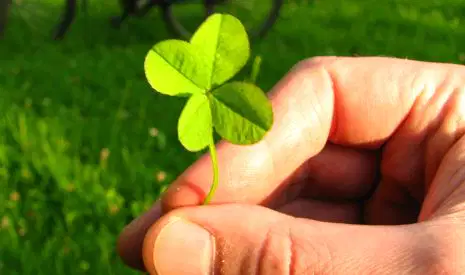
tiene suerte
Hola! Les presento a mi amiga, Ana. Ana tiene quince anos. Ana es timida, inteligente, y seria. Ella estudia mucho porque quiere ser ingeniera. A Ana le gusta leer mucho y a mi me gusta hablar de los libros que ella lee en el momento.
Which is an accurate description of Ana?
She is loud, unreasonable, and volatile.
She is shy, serious, and bookish
She is outgoing, energetic, and athletic.
She is lazy, catty, and apathetic.
Hola! Les presento a mi amiga, Ana. Ana tiene quince anos. Ana es timida, inteligente, y seria. Ella estudia mucho porque quiere ser ingeniera. Ana lee mucho y me gusta hablar de los libros que ella lee en el momento.
How old is Ana?
She is 12
She is 13
She is 14
She is 15
Hola! Les presento a mi amiga, Ana. Ana es timida, inteligente, y seria. Ella estudia mucho porque quiere ser ingeniera. A Ana le gusta leer mucho y a mi me gusta hablar de los libros que ella lee en el momento.
What does Ana do very much (often), and why?
She studies often because she want to be an engineer.
She runs every day because she wants to finish a marathon
She sleeps 12 hours a day because she does not have any hobbies or interests, and she does not care about school.
She paints multiple portraits because she wants to be a famous artist.
Hola! Les presento a mi amiga, Ana. Ana tiene quince anos. Ana es timida, inteligente, y seria. Ella estudia mucho porque quiere ser ingeniera. A Ana le gusta leer mucho y a mi me gusta hablar con ella de los libros que ella lee en el momento.
What does the author like to do with her friend Ana?
They like to go to the gym together.
They like to eat fast food and watch Netflix.
They like to talk about the books Ana is reading.
They like to look through a telescope and find constellations.
Match ir/ ir + a + infinitive expressions with their translations
Yo voy al cafe
I go to the cafe.
Ella no va al parque
She does not go to the park.
Yo voy a beber un cafe
I am going to drink coffee.
Ella no va a jugar al parque
She is not going to play at the park
Nosotros vamos a bailar
We are going to dance.

