
 Worksheets
VA101: Movement & Rhythm
Total questions: 13
Worksheet time: 4mins
What does the design principle of movement help to achieve?
Balance
Contrast
A sense of direction or flow
Symmetry
What is rhythm in design?
A principle focused on harmony
A repeated visual element that creates a sense of order
The use of colors to contrast
The balance between light and dark
Which element is most often used to create movement in a design?
Line
Shape
Texture
Balance
Which of the following is an example of visual rhythm?
Alternating patterns of stripes and circles
A single red circle in a blue background
A randomly placed group of shapes
Symmetry across a design
What type of rhythm alternates elements in a predictable pattern?
Flowing Rhythm
Random Rhythm
Alternating Rhythm
Progressive Rhythm
How can rhythm contribute to a design?
By ensuring equal proportions in a grid
By adding randomness to the layout
By keeping all elements static and neutral
By guiding the viewer's eye through the composition
Which artwork is an excellent example of movement and rhythm?
Grant Wood’s American Gothic
Leonardo da Vinci’s Mona Lisa
Vincent van Gogh’s Starry Night
Robert Delaunay’s Endless Rhythm
Which principle is most likely to create a sense of action in a composition?
Emphasis
Movement
Balance
Proportion
When rhythm is irregular and unpredictable, it is called:
Flowing Rhythm
Progressive Rhythm
Random Rhythm
Alternating Rhythm
What happens when movement and rhythm work together in design?
They distract the viewer’s attention
They make the design symmetrical
They create a harmonious flow through the composition
They emphasize the focal point
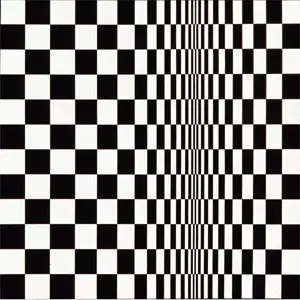
What kind of rhythm do you recognize in the picture?
Alternating rhythm
Progressive rhythm
Flowing rhythm
Regular rhythm
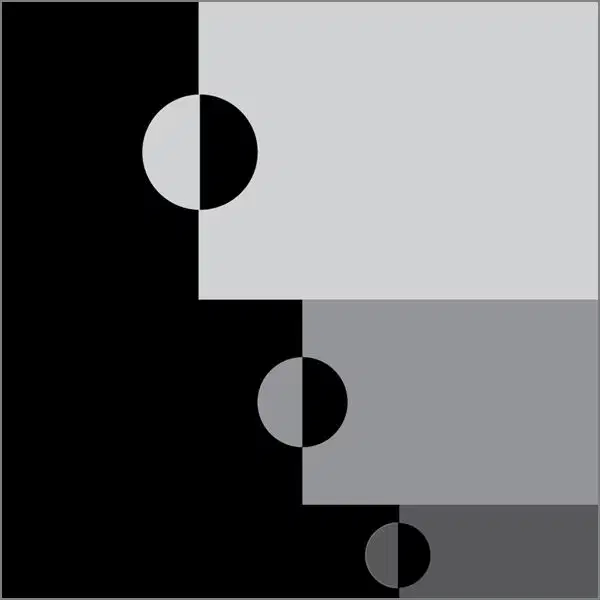
What kind of rhythm do you recognize in the picture?
Alternating rhythm
Flowing rhythm
Progressive rhythm
Regular rhythm

What kind of rhythm do you recognize in this picture?
Alternating rhythm
Progressive rhythm
Regular rhythm

