
 Worksheets
Quizziz_lesson 34: a gente foi pra Maragogi
Total questions: 27
Worksheet time: 39mins
How do 'você,' 'vocês,' and 'nós' change in informal Portuguese?

Choose the correct rule for conjugating verbs with "a gente" in Portuguese?
Use the first-person plural form (nós).
Use the third-person singular form (ele/ela).
Use the third-person plural form (eles/elas).

When talking about experiences we’ve already had, we use:
Já
Nunca

When talking about experiences we’ve never had, we use:
Já
Nunca
How do we conjugate the verb "experimentar" (to try something out) in the passado perfeito?
When asking where someone went, you would use “onde” + the verb “ir” (to go) in the “passado perfeito”. How do we conjugate the verb "ir" in this tense?

How do we say "I went to the school" in Portuguese?
(a)

How do we say "she went to the market" in Portuguese?
(a)
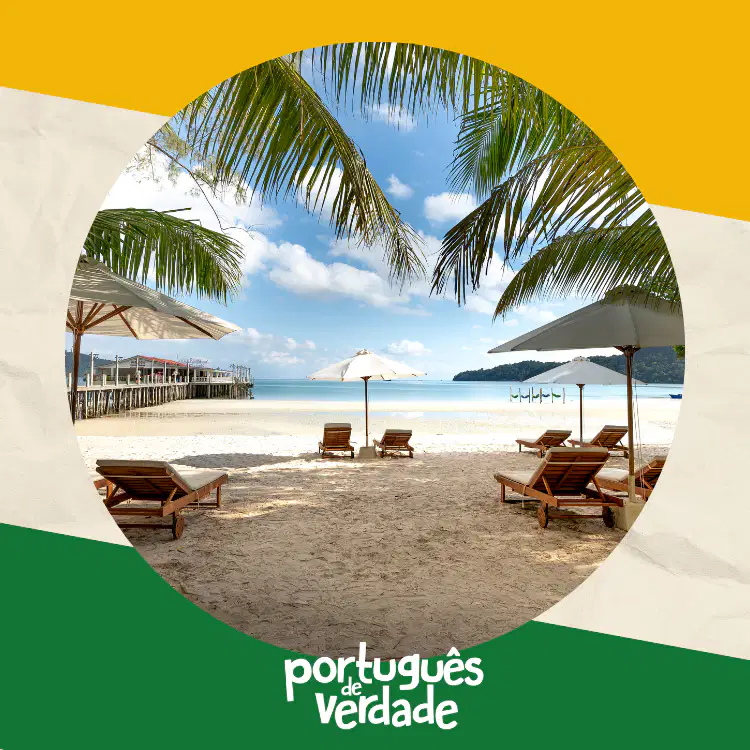
How do we say "we went to the beach" in Portuguese?
(use "nós")
(a)
How do we say "we went to the beach" in Portuguese?
(use "a gente")
(a)
The conjugation of the verbs “ser” (to be) and “ir” (to go) in the ”passado perfeito” looks exactly the same. First, conjugate the verb "ser" in this tense:
The conjugation of the verbs “ser” (to be) and “ir” (to go) in the ”passado perfeito” looks exactly the same. Now, conjugate the verb "ir" in this tense:

“Para” is commonly shortened to “pra” or "pro" in informal speech. How would these sentences in the shortened form?
para São Paulo → (a) São Paulo
para o Rio → (b) Rio
para a Bahia → (c) Bahia
To talk about where you stayed during a trip in Portuguese, you use the verb “ficar” (to stay) in the “passado perfeito”. How do we conjugate the verb "ficar" in this tense?
When describing the hotel or place where you stayed, we use the verbs “ser” (to be) and “ter” (to have, there was/were) in the passado imperfeito. First, conjugate the ver "ser" in this tense:
When describing the hotel or place where you stayed, we use the verbs “ser” (to be) and “ter” (to have, there was/were) in the passado imperfeito. Now, conjugate the ver "ter" in this tense:
Which word in Portuguese best describes my hotel?"
"The hotel I stayed at had spacious rooms and a huge lobby."
grande
"The hotel I stayed at was in the city center, close to all the attractions."
bem-localizado
"The hotel I stayed at was cozy but had very small rooms."
pequeno
"The bed in the hotel room was really soft, and the furniture was perfect."
confortável
"The hotel was spotless, and everything was well-maintained."
limpo
Which word in Portuguese best describes my hotel?"
"The hotel was far from the city and in a very quiet area."
afastado
"The hotel was beautiful but very expensive."
caro
"The hotel was affordable, and the rooms were simple but sufficient."
econômico
"The hotel was not well-kept, and the rooms were dirty."
sujo
"The hotel was located next to a busy street, and the noise kept me awake."
barulhento
"O meu hotel tinha..."
Match the pictures:

uma tv

uma cama
de solteiro
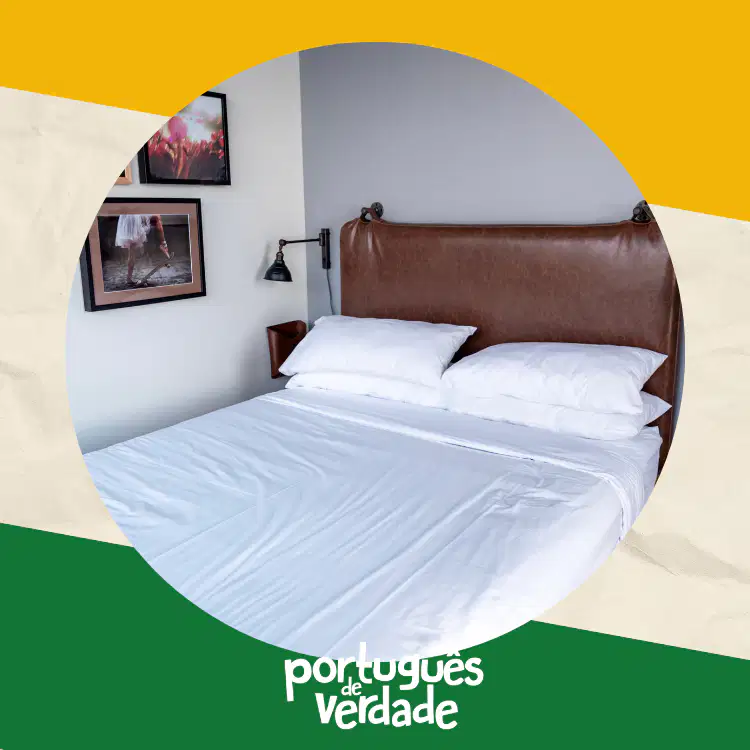
uma cama
de casal
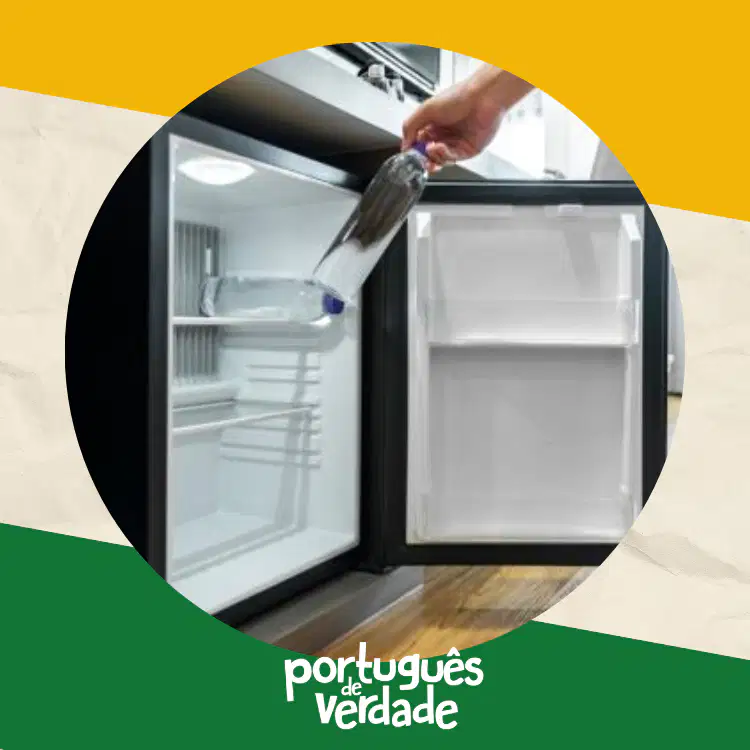
um frigobar

um elevador
"O meu hotel tinha..."
Match the pictures:

uma sacada

café da manhã
incluído

ar
condicionado

serviço de quarto

estacionamento
Match local dishes from the Northeast of Brazil:
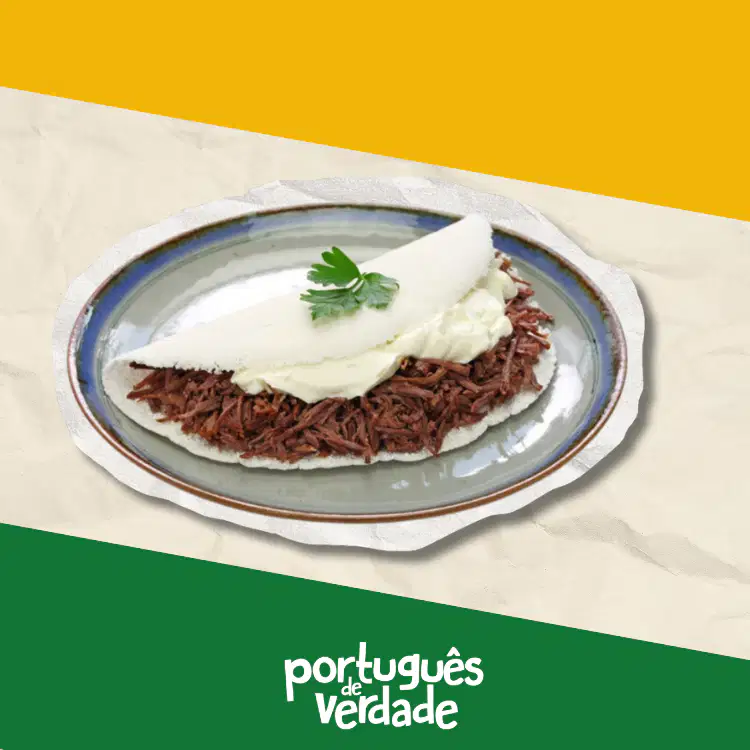
a tapioca

a cocada

a moqueca de peixe
Match most commonly used slangs in the Northeast of Brazil to their definitions:

An expression of surprise or disbelief

Similar to “so,” used as a response

Means “belly,” also slang for overating

An exclamation of annoyance/frustration
Listen to the Northeasterner and complete the sentence with the Northeastern slang:
(a) , cê tá falando sério?
Listen to the Northeasterner and complete the sentence with the Northeastern slang:
(a) , como foi a viagem?
Listen to the Northeasterner and complete the sentence with the Northeastern slang:
Essa (a) nunca funciona!
Listen to the Northeasterner and complete the sentence with the Northeastern slang:
Comi tanto que tô com o (a) cheio.
Glossary:
últimas: last
vista bonita pro mar: pretty seaview
comida: food
maravilhosa/o: wonderful
tudo: everything
amei a viagem: I loved the trip
com certeza: for sure
voltar: to come back/ to return
Where is Maragogi located?
In the Southeast of Brazil
In the Northeast of Brazil
In the South of Brazil
In the North of Brazil
What kind of hotel did the person stay at? (Tick all possible answers)
bem-localizado
pequeno
barulhento
confortável
How was the hotel described?
Big and far from the beach
Comfortable with a large room and sea view
Inexpensive but with a poor view
Luxury but far from the beach
What did the person eat for breakfast?
Fruits and bread
Pão de queijo and juice
Bread and coffee
Fruits and coffee
What dish did the person have for lunch?
(write it in Portuguese)
(a)
Did she have any dessert?
SIM
NÃO
What did the person try for dessert?
(a)
What did the person think about the trip?
She didn’t enjoy it
She liked it but wouldn’t return
She loved the trip and want to return
She doesn't mention her opinion about the trip

