
 Worksheets
Lakes and Freshwater Wetlands
Total questions: 20
Worksheet time: 23mins
What are wetlands?
areas of land that are flooded at least part of the year
the ocean
lakes
estuaries
All are freshwater ecosystems except
marshes
lakes
eustary
rivers
All of the following are animals found in the wetlands EXCEPT...
frog
turtle
mosquito
polar bear


Wetlands store flood waters. How is this beneficial? Choose the best answer.
Its not really beneficial because this may flood peoples homes.
It releases the water is increments which will really increase the wildlife in that area.
It releases the water in increments ( a little at a time) which slows the water down thus slowing erosion.
Its really not beneficial because this will flood the habitats of the wildlife living there.
How would you describe the SOIL in the wetlands?
always very dry
always very wet
like a sponge

What is the best description of a wetland?
An area where the ground is always covered by water, and the water is saltwater.
An area where the ground is polluted and flooded.
An area where the ground is soaked or covered for most of the year, and can be freshwater or a combination of fresh and saltwater.

What is this a picture of? (Select all that apply)
Fluvial Lake
Glacial Lake
Oxbow Lake
Kettle Lake
How are kettle lakes formed?
By landslides
By glaciers
By volcanoes
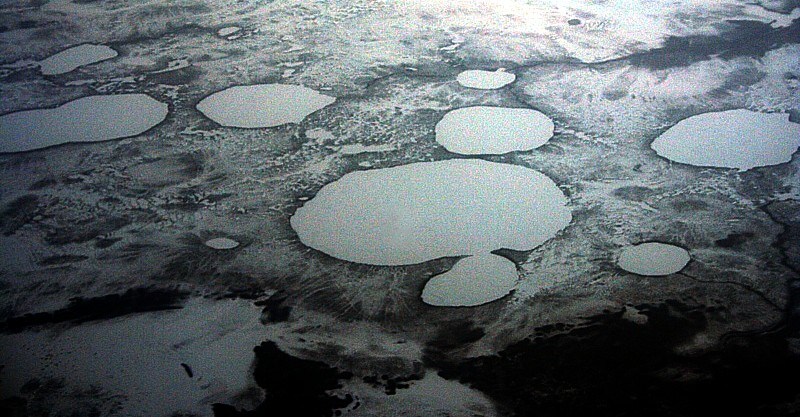
A _____ are depressions formed as stranded ice blocks melt in till.
erratics
eskers
kettles
drumlin
What is the process that water is renewed and recycled through?
groundwater
surface water
water cycle
wetland
a smaller river or stream flowing in to join or feed a larger river
tributary
estruary
actuary
wary
When too much ____________grows, it eventually covers the surface of the water.
bacteria
algae
fertilizer
waste
Thick layers of Algae blocks _____________ for photosynthesis.
oxygen
light
bacteria
water
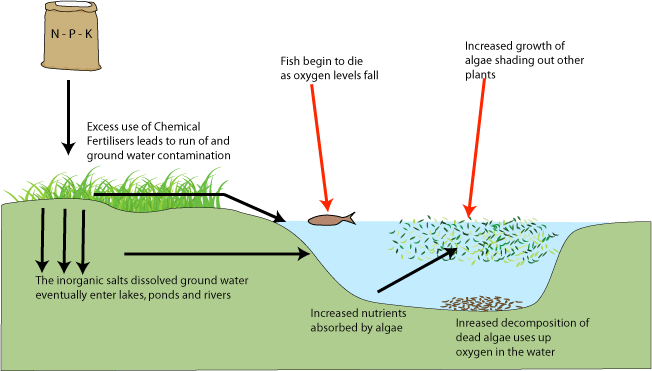
An increase in the amount of nutrients in a lake is known as
calcification
cellular respiration
eutrophication
photosynthesis
In a dead zone, _________ levels are really low such that living organisms are not able survive.
nitrogen
oxygen
fertilizer
carbon dioxide

