
 Worksheets
Vector addition basics
Total questions: 25
Worksheet time: 27mins

What is the resultant vector of the two labeled vectors?
+2 km
+14 km
-2 km
-14 km

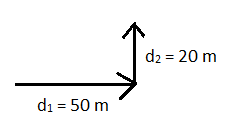
What is the magnitude of the resultant vector, r?
3
4
5
7
Which of the following is a vector? (Select all that apply.)
Acceleration
Velocity
Speed
Distance
Which of the following is a scalar? (Select all that apply.)
Acceleration
Speed
Displacement
Distance
A vector includes ______ and ________.
direction, magnitude
magnitude, units
direction, units
scalars, scalars

Which of the following describes the vector above?
45 cm
45 cm at 30 degrees North of East
45 cm at 30 degrees East of North
45 cm North East

Describe the direction of the vector above.
30 degrees
30 degrees North East
30 degrees North of East
30 degrees East of North

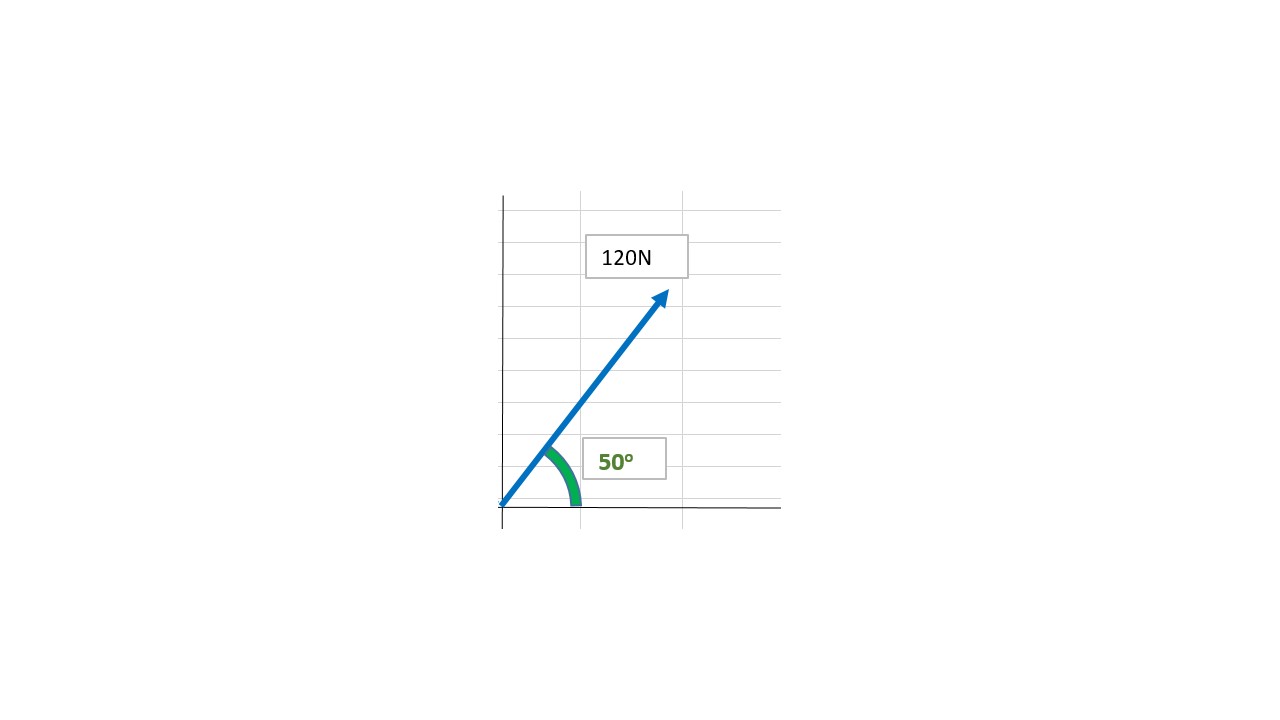
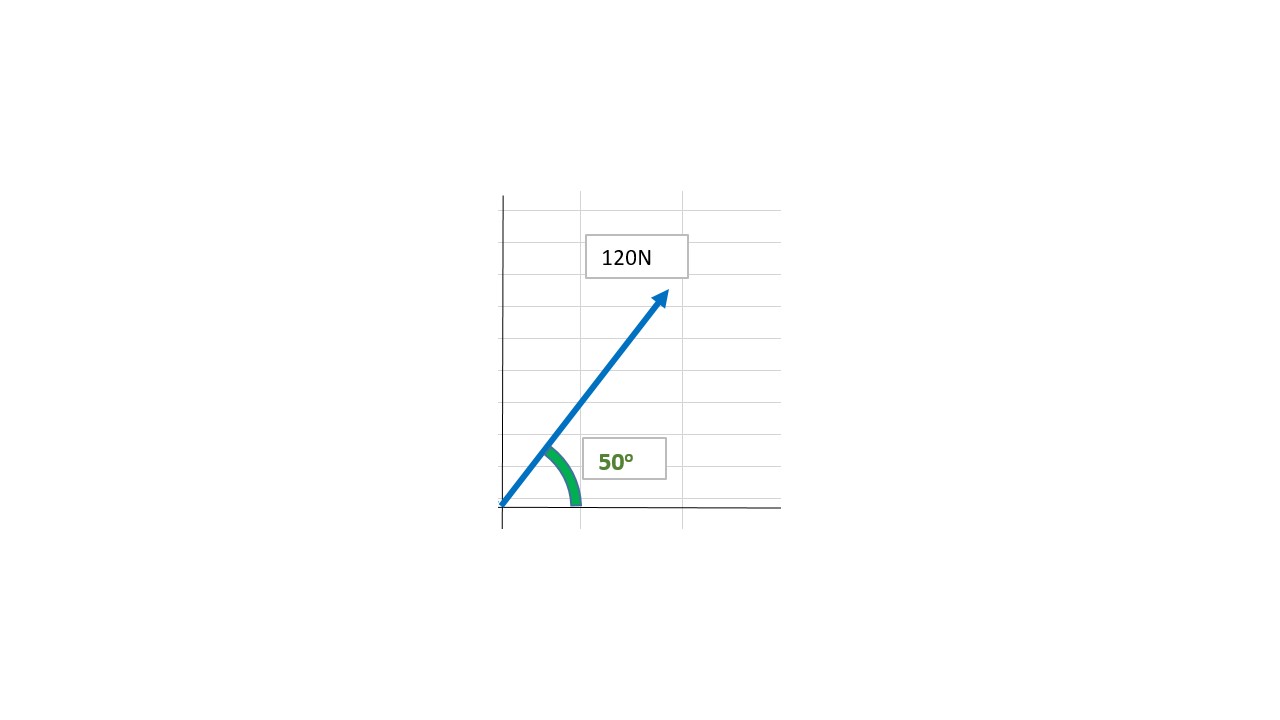
The vector diagram above represents the horizontal component, FH, and the vertical component, FV, of a 24-newton force acting at 350 above the horizontal. What are the magnitudes of the horizontal and vertical components?
FH = 20 N and FV = 14 N
FH = 4.9 N and FV = 3.5 N
FH = 3.5 N and FV = 4.9 N
FH = 14 N and FV = 20 N
A car drives 30 meters north, then 20 meters west, and finally 40 meters south to reach the gas pump at Bucee’s
What is the correct drawing of vectors?


53.85 m
25 m

A Frisbee that flies at a speed of 1.8 m/s north relative to the air encounters a tailwind that travels at 1.2 m/s. What are the speed and direction of the Frisbee relative to the ground?
0.60 m/s north
0.60 m/s at an 45 degrees north of east.
3.0 m/s north
0.60 m/s south
3.0 m/s south

Magnitude 139.0N
Magnitude 195N
Magnitude 139.0N
Magnitude 139.0N
Vertical 7.2
Vertical 18.9
Vertical 9.6
Vertical 15.2
Mark the tail of a vector.
Mark the head of a vector.
The sum of two or more vectors is called the
(a)
Which of the following diagrams shows the correct addition of three vectors?


The order in which two or more vectors are added together will change the magnitude and direction of the resultant vector.
True
False

What is the order in which these vectors are being added together?
(a) + (b) + (c) = (d)

Consider the vectors in the diagram for the following vector addition.
What is the resultant vector when the following vector addition is complete:
S + W – M + P = ?
(a)
Consider the vectors in the diagram for the following vector addition.
What is the resultant vector when the following vector addition is complete:
2K – H – Y + U = ?
(a)

