
 Worksheets
Bacteriology Quiz 16 Jan Part 1
Total questions: 25
Worksheet time: 13mins

Which of the following is classified as a prokaryotic microorganism?
Bacteria
Protozoa
Fungi
Algae

What type of cell is a virus classified under in the diagram?
Eukaryotic cell
Prokaryotic cell
Primitive cell
Advanced cell

Which of the following is NOT listed as a eukaryotic microorganism in the diagram?
Fungi
Protozoa
Mycoplasma
Algae
What is the source of energy for free-living microorganisms?
Sunlight or oxidation of organic matter
Photosynthesis
Fermentation
Respiration
How do saprophytic microorganisms obtain energy?
From living hosts
From dead organic matter
Through photosynthesis
By consuming other microorganisms
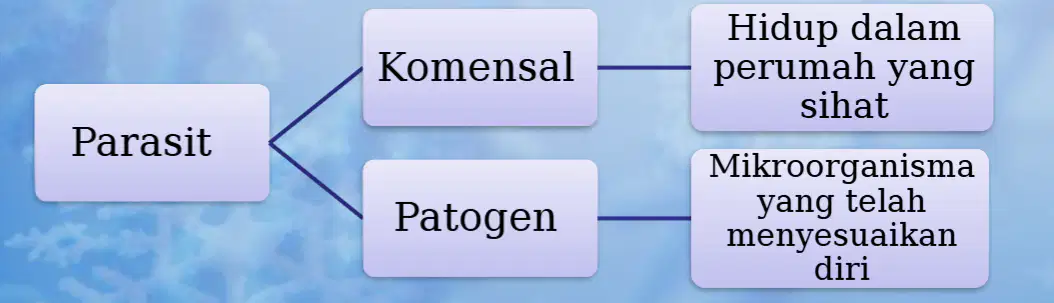
What is a characteristic of parasitic microorganisms?
They live independently
They obtain energy from sunlight
They live in healthy hosts
They decompose dead matter

What is the smallest entity listed in the diagram?
Atom
Polio virus
Protein
Lipids

Which of the following can be observed using a light microscope according to the diagram?
Flu virus
Mitochondria
Plant cell
C60 (fullerene molecule)

According to the diagram, which entity is larger than a red blood cell?
Polio virus
Animal cell
Protein
Lipids

Which of the following bacteria is classified as a sphere (cocci)?
Vibrio cholerae
Streptococcus pneumoniae
Bacillus anthracis
Helicobacter pylori

What type of bacteria is Bacillus anthracis?
Sphere (cocci)
Rod (bacilli)
Spiral
Spirochaete

Which bacteria is known for having a spiral shape?
Staphylococcus aureus
Clostridium botulinum
Treponema pallidum
Sarcina ventriculi

Which type of bacteria requires high oxygen concentration for growth?
Obligate aerobes
Obligate anaerobes
Facultative anaerobes
Aerotolerant anaerobes

Which bacteria can grow in both the presence and absence of oxygen?
Obligate aerobes
Obligate anaerobes
Facultative anaerobes
Aerotolerant anaerobes

Which type of bacteria is associated with Clostridium botulinum?
Obligate aerobes
Obligate anaerobes
Facultative anaerobes
Aerotolerant anaerobes

Which type of bacteria is known to be aerotolerant?
Obligate aerobes
Obligate anaerobes
Facultative anaerobes
Aerotolerant anaerobes

What is the first step in the bacterial identification system shown in the diagram?
Ciri-ciri antigenik
Morfologi dan tindak balas pewarnaan
Kerintangan pada antibiotik
Ujian patogenisiti pada haiwan makmal

Which step involves testing the bacteria's response to antibiotics?
Tindak balas biokimia
Ciri-ciri antigenik
Kerintangan pada antibiotik
Ciri-ciri kultura

What is the purpose of the 'Ujian patogenisiti pada haiwan makmal' step in the bacterial identification process?
To determine the bacteria's cultural characteristics
To test the bacteria's pathogenicity in laboratory animals
To identify the bacteria's antigenic characteristics
To observe the bacteria's morphology
Which of the following is NOT a factor in the morphologic description of bacterial colonies?
A) Presence or absence of growth
B) Size of isolated colonies
C) Type of bacteria
D) Pigment of colonies
What is assumed when describing the size of isolated colonies?
A) 12-hour growth
B) 24-hour growth
C) 48-hour growth
D) 72-hour growth
Which of the following is a characteristic used to describe the surface of bacterial colonies?
A) Odour
B) Surface contour and texture
C) Temperature
D) pH level

What is the term used to describe the pattern shown in the image?
Hemolytic pattern
Growth pattern
Fermentation pattern
Oxidation pattern
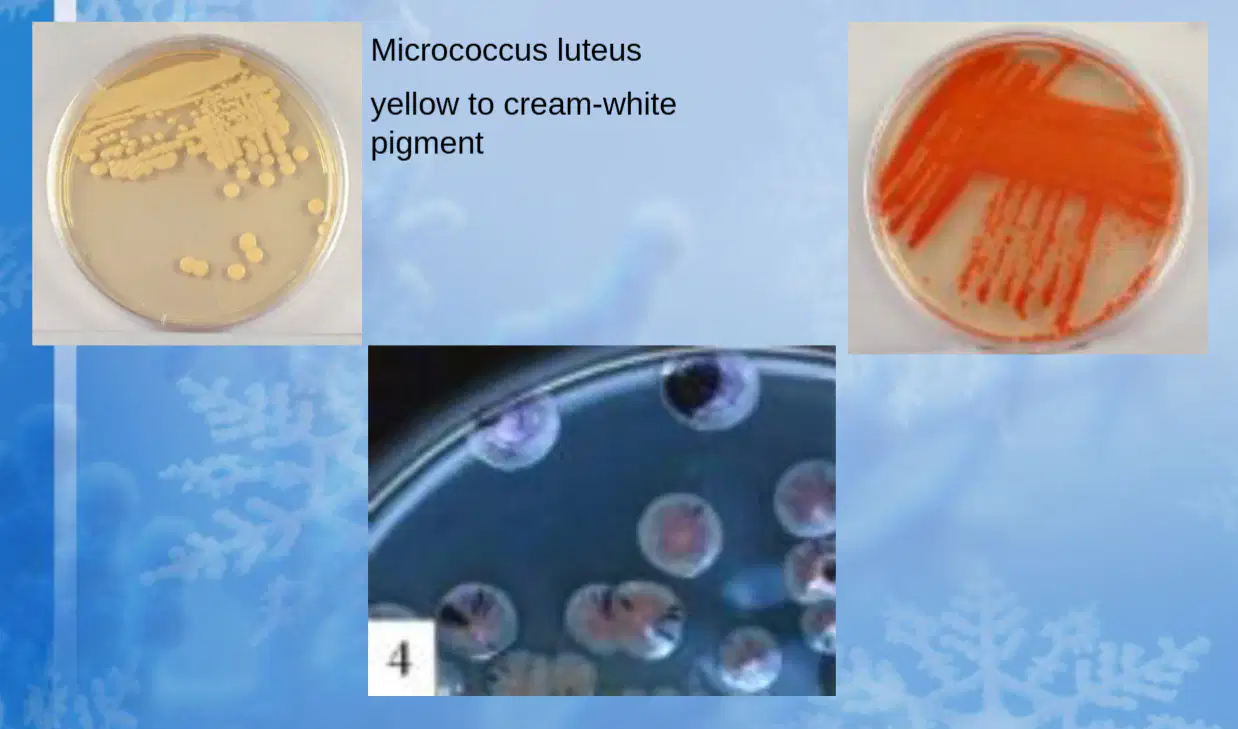
What color pigment is associated with Micrococcus luteus?
Yellow to cream-white
Red
Blue
Green
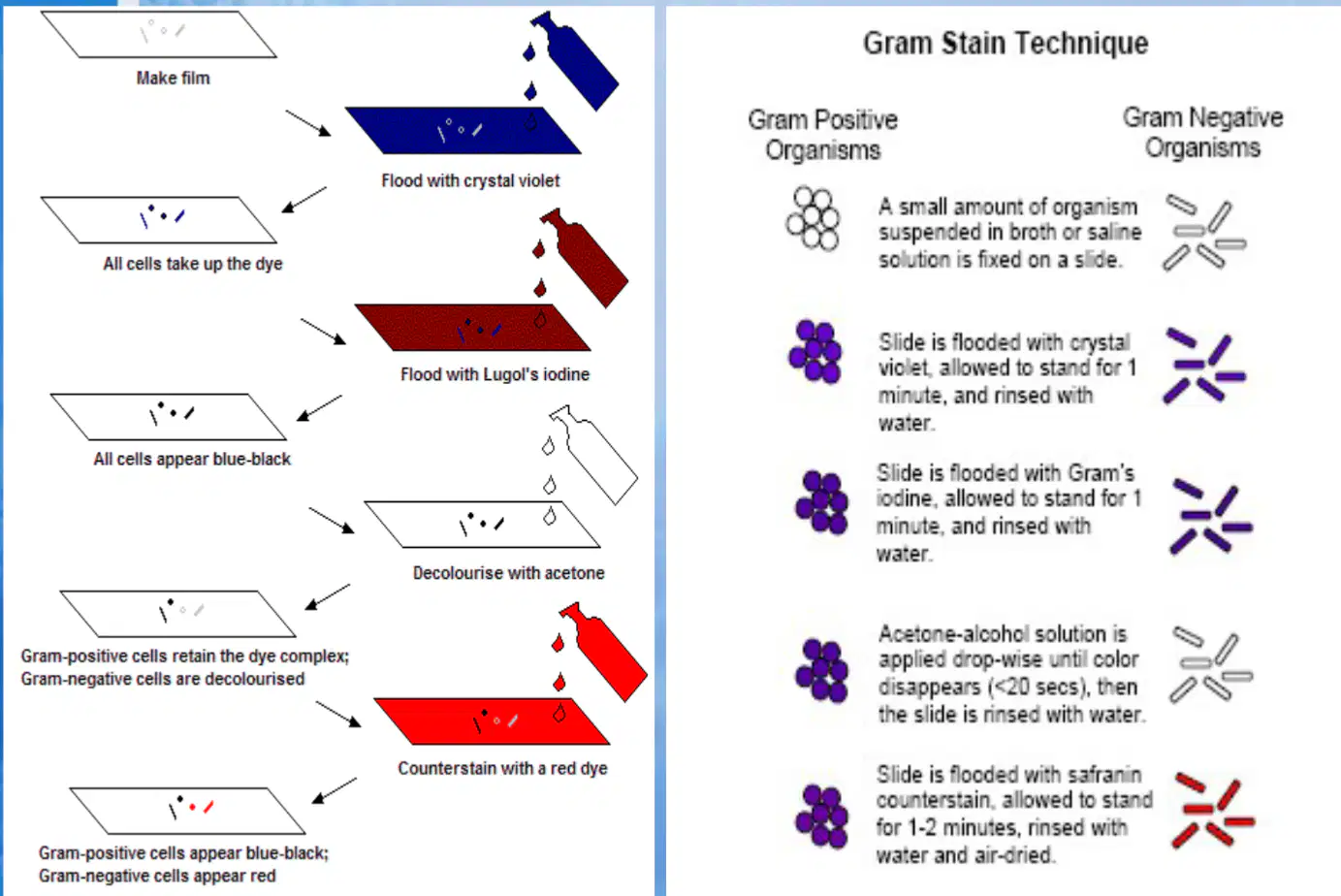
What is the first step in the Gram stain technique?
Flood with crystal violet
Make film
Flood with Lugol's iodine
Decolourise with acetone

