
 Worksheets
High-Force Cable Pulling Quiz
Total questions: 24
Worksheet time: 12mins
What is one of the objectives of Section Two?
Set up for high-force cable pulling.
Install lighting fixtures.
Design electrical circuits.
Test voltage levels.
Which of the following is a step in setting up for high-force cable pulling?
Set up the feeding end.
Install circuit breakers.
Measure electrical resistance.
Test insulation.
What should be done after setting up the feeding end in high-force cable pulling?
Support conductors.
Install transformers.
Test for continuity.
Measure current flow.
What is the final step in the high-force cable pulling process mentioned in the objectives?
Pull cable in cable trays.
Install junction boxes.
Test circuit functionality.
Measure voltage drop.
What is required to ensure a safe and smooth operation in high-force cable pulling?
Quick execution
Careful planning
Minimal equipment
High speed
What equipment is necessary between both ends of a high-force cable pull?
Lighting equipment
Cooling equipment
Communications equipment
Heating equipment
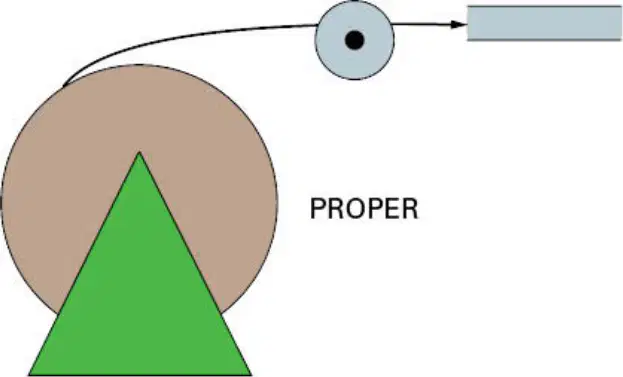
What is the proper way to unroll a cable according to its natural curvature?
Unroll the cable in a straight line
Unroll the cable along its natural curvature
Unroll the cable in a zigzag pattern
Unroll the cable in a circular motion
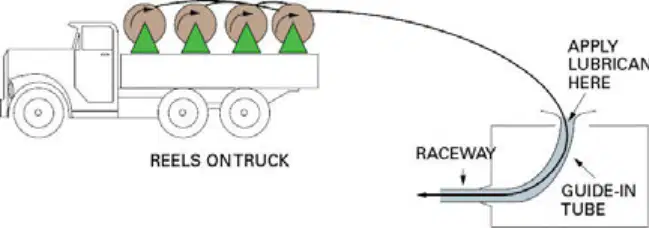
What type of auxiliary equipment can be used to facilitate cable installation?
Reels, guides, and sheaves
Hammers, nails, and screws
Pulleys, levers, and wedges
Drills, saws, and sanders
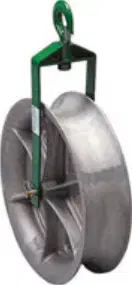
What is the purpose of single sheaves in cable installations?
To cut cables
To guide cable through the conduit
To connect cables
To measure cable length
Why must the sheave radius be matched to the bend?
To ensure a smooth pull
To increase cable speed
To reduce cable length
To change cable color
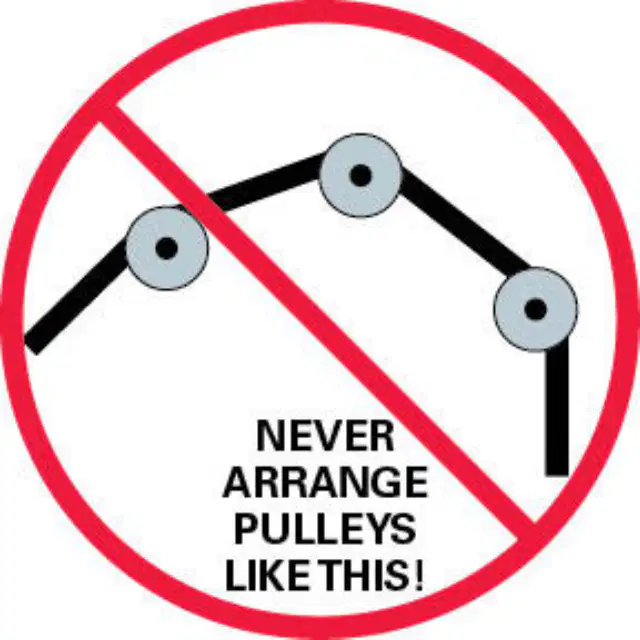
What should be avoided in a cable-pulling operation to prevent conductor damage?
Allowing a polygon curvature
Using smooth radius turns
Positioning sheaves and pulleys carefully
Reducing resistance
Why is it important to position sheaves and pulleys carefully in a cable-pulling operation?
To increase resistance
To ensure a smooth radius with no sharp turns
To create sharp turns
To damage the conductor
What does NEC Section 300.19 contain requirements for?
Horizontal raceway supports
Vertical raceway supports
Electrical panel installation
Grounding systems
Where must one conductor support be installed according to the document?
At the bottom of the vertical raceway
At the top of the vertical raceway
In the middle of the vertical raceway
At any point in the vertical raceway
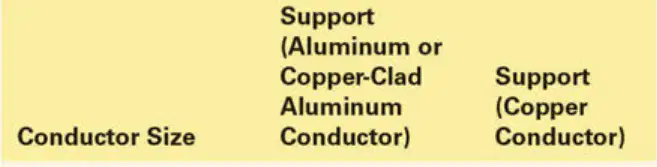
What is the maximum interval for intermediate supports for a copper conductor of size 1/0 AWG?
200 feet
100 feet
180 feet
80 feet
What can be used to support conductors in vertical raceways?
Wedges
Nails
Tape
Glue
When are conductor clamps required?
When wedges provide sufficient support
When wedges cannot offer sufficient support
When conductors are horizontal
When conductors are insulated
How else can conductors be supported besides using wedges?
By using magnets
By installing covered boxes at required intervals
By wrapping with plastic
By using rubber bands
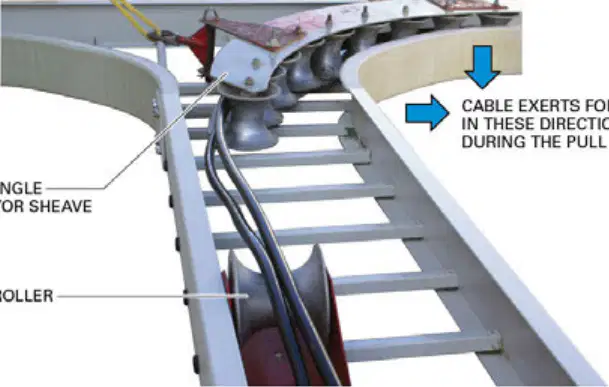
What is the purpose of using sheaves and rollers in cable tray installations?
To increase the speed of cable installation
To prevent excess strain and insulation damage
To reduce the cost of installation
To enhance the appearance of the cable tray
In which direction should sheaves be supported during cable installation?
In the same direction as the pull
In the opposite direction of the pull
Vertically above the cable
Horizontally below the cable
How should cables be installed whenever possible?
In a zigzag pattern
In a steady, continuous pull
In short, segmented pulls
In a random order
What is the purpose of conductor support in vertical conduit runs?
To provide electrical insulation
To support the cables or conductors
To increase the speed of data transmission
To reduce the weight of the cables
Which of the following is a method mentioned by the NEC for supporting cables?
Using magnets
Using wedges in the tops of conduits
Using adhesive tapes
Using rubber bands
What is a sheave used for in cable installations?
To cut cables
To measure cable length
To pull cables in conduit and cable tray systems
To insulate cables

