
 Worksheets
SERGIO´S PRACTICE
Total questions: 100
Worksheet time: 1hrs 17mins
Usamos el Present Simple para expresar:
Cosas que están pasando en el momento
Cosas que hago habitualmente
Usamos el Present Continuous para hablar sobre
Cosas que hago habitualmente
Cosas que hago en el momento
What is she doing now?
She is drinking
She drinks
She is drink
She drinking
He ____ _____ (Cook) right now
(a)
Use Present Simple or continuous. We often (a) (read) books.
I'm walking into the classroom _________. I will phone you later.
always
often
at the moment
every year
____ you _____ (eat) cereal for breakfast every day?
(a)
I (a) (read) a very funny book at the moment.
My father usually (a) (make) dinner. He doesn't mind cooking.
Every Sunday we _____ to see my grandparents.
goes
go
Where____ they usually ______ (go) on holidays?
(a)

I ____________ watch TV last night.
don´t
didn´t
weren´t
wasn´t
I ____________ watch TV last night.
don´t
didn´t
weren´t
wasn´t

My mum ____________ (not cook) dinner last night.
don´t cook
not cooking
didn´t cook
didn´t cooked

I ____________ (walk) to school because there weren´t any buses
walked
don´t walk
am walking
didn´t walk

I ________ a shower and some fruit for breakfast.
take
took
taken
taking
I ____________ in London for 3 years.
have been
gone
went
was
I ________ to school by bus yesterday.
have gone
go
went
was
My sister didn't watched the movie yesterday.
Correct
Incorrect
The word "already" is used in:
Past simple
Present perfect
I _____ a teacher since 1998
has been
have been
hasn't been
was
my friend _____my new dress yet
have not seen
haven´t saw
hasn't seen
didn't see
Where ____________ your last holiday?
did you spend
did spend
have you spent
you spent
¿CUALES SON LOS AUXILIARES USADOS EN EL PRESENTE PERFECTO?
HAVE - HAS
DO - DOES
WILL
DID
His friend ___________ (to play) videogames since he bought a new computer.
have been playing
have being playing
has been playing
has been played
The dog ___________ (to bark) at me ____ 5 minutes.
has been barking / for
have been barking / for
has been barking / since
have been barking / since
Rick ___________ (to not clean) his room ____ he broke the broom.
haven't been cleaning / for
haven't been cleaning / since
hasn't been cleaning / for
hasn't been cleaning / since
We have been receiving gifts from our friends ____ we came back from Europe.
since
during
for
at
¿Cuáles son los pronombres que se utilizan para HAS?
I, THEY
SHE, HE, IT
She _____ _______ her CV yet. (not write)
(a)

She has _____________known all her neighbours in a week
Already
For
Yet

Have you had breakfast _______?
already
just
yet

My son has _________ gone to bed
Since
Yet
Already

He has _________ finished to cook
just
yet
for

Marco has been working here _____________ last week.
Since
For
Already

The teacher has ________ posted a new classwork in the blog
just
for
yet

Have you ________ cooked paella?
ever
yet
for

It has been raining __________ this morning
for
already
since

I haver _________ played Parchis.
since
never
yet

We have been watching tik tok videos ______ 2 hours
since
never
for
The PAST perfect is formed by...
HAVE + PAST PARTICIPLE
HAD + PAST PARTICIPLE
AM/ IS/ ARE + PAST PARTICIPLE
AM / IS / ARE + V-ING
PAST perfect is used with these words...
JUST
NOW
FOR / SINCE
YET
EVER

Cristiano Ronaldo
had had represented Portugal
has Portugal represented
had represented Portugal
hasn´t represented Portugal

The song contest had not started
already
never
yet
usually

Rafael Nadal had
earned
win
won
winned

Had you....been to Lisbon?
ever
never
already
since

How long had you been studying English?
I have studied English since many years
I had studied English for many years
I have studied English four years ago
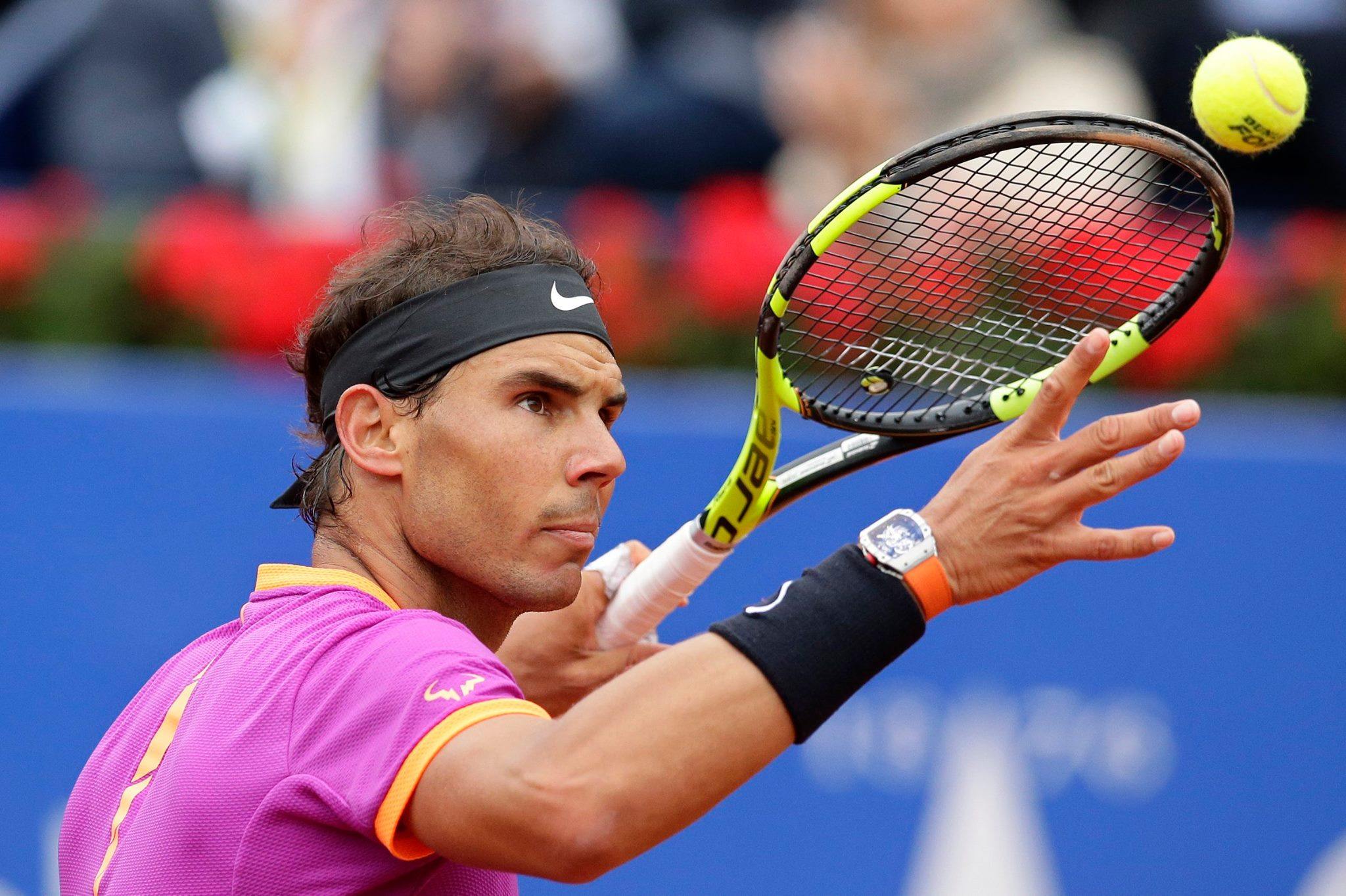
Rafael Nadal had played tennis
since the age of three
for the age of three
the age of three

Shakira ....composed songs in Arabic, English, Portuguese, Spanish and French
have
hasn't
had
hadn´t
The interrogative form is...
Had you been...?
You had been...?
Had been you...?
been had you...?
I had never______ to paris
visited
visit
visited yet
I _____ a teacher since 1998
had been
had been
hadn't been
I _______ been married for two years
has
had
haedn´t
I had ________ for my uncle
work
working
worked
worke
my friend _____my new dress yet
had not seen
haddn´t saw
hadn't seen
_____ you ever been to new york ?
has
had
hasn't
I _________ my homework yet
had not done
hasn't done
has done
_____ he given up the tournament?
had
have
had had
I ________ watched two seasons of this T.V. show
has
had not
has not
haden't
____ he read the book that you gave me yesterday?
Has
Have
Hasn't
haven't

Will se utiliza para
Hablar del pasado
Expresar el fururo
Conversar sobre el presente
Contar historias

Al verbo se le añade
ing
To
S
Ninguna de las anteriores

Al hacer una oración negativa, Will se convierte en?
(a)

Elija la opción correcta
She wil work very much.
She will work veri much
She will work very hard
Will she work very hard
Completa They ...................watch tv next Monday
not will
don´t will
isn´t will
won´t
Order these sentences cook/ will/ They/ friday/ next
will they friday cook next
They will cook next friday
will cook they next friday?
They cook will next friday
Cambia esta frase en negativa
They will play football next week
They not will play football next week
They don´t will play football next week
They will don´t play football next week
They won´t play football next week
completa la oración con tiempo presente simple afirmativo.
Sandra -------------that they are wrong.
(a)
CUAL ES LA FORMA EN PASADO DE "DO-DOES"
DO
DID
DOES
WAS - WERE

El auxiliar Do / Does se usa para:
Realizar preguntas en presente simple
Realizar oraciones en tiempo futuro
Describir acciones cotidianas

Elige el auxiliar adecuado para esta pregunta:
___________ she walk in the park?
Do
Does

Escribe el pasado del verbo comenzar.
BEGIN
WORKED
DANCE
BEGAN

Escribe el pasado del verbo HACER.
DID
DO
MAKE
GO

Escribe el pasado del verbo DORMIR.
DO
SLEEP
BOUGHT
SLEPT

Escribe el pasado del verbo BEBER.
GO
DRINK
DRANK
RAN
Escribe el pasado del verbo IR.
GO
DO
WENT
DID

Escribe el pasado del verbo CRECER.
GREW
GROW
MAKE
DO
Si un verbo regular termina en y, precedida de consonante, entonces:
se reemplaza la i por y, luego se agrega ed
se reemplaza por es
se agrega ed
se reemplaza la y por i, luego se agrega ed
El verbo Buy en participio es:
buyed
buied
bought
brought
El participio del verbo Fly es:
flied
flown
flew
flyed
El participio del verbo Be es:
was
were
been
beed
El participio del verbo Speak es:
spoken
spoke
speaked
speaks
Hello Anna, what _______ (you / do) when I called you last night?
do you do
did you do
didn't do
were you doing

Este tiempo se utiliza para describir una acción que empezó y terminó en el pasado
Pasado simple
Pasado continuo

Para describir acciones que se cruzan o que interrumpen a la acción que estaba en proceso, se utiliza...
WHEN
WHILE


'¿Compraste manzanas ayer?'

La imagen muestra
The verb to be
The simple present
The pronouns
Adjectives
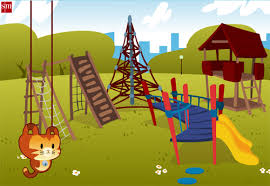
We ____ in the park.
are
is
it
they
Traducir al ingles "YO SOY"
He is
We are
I am
They are
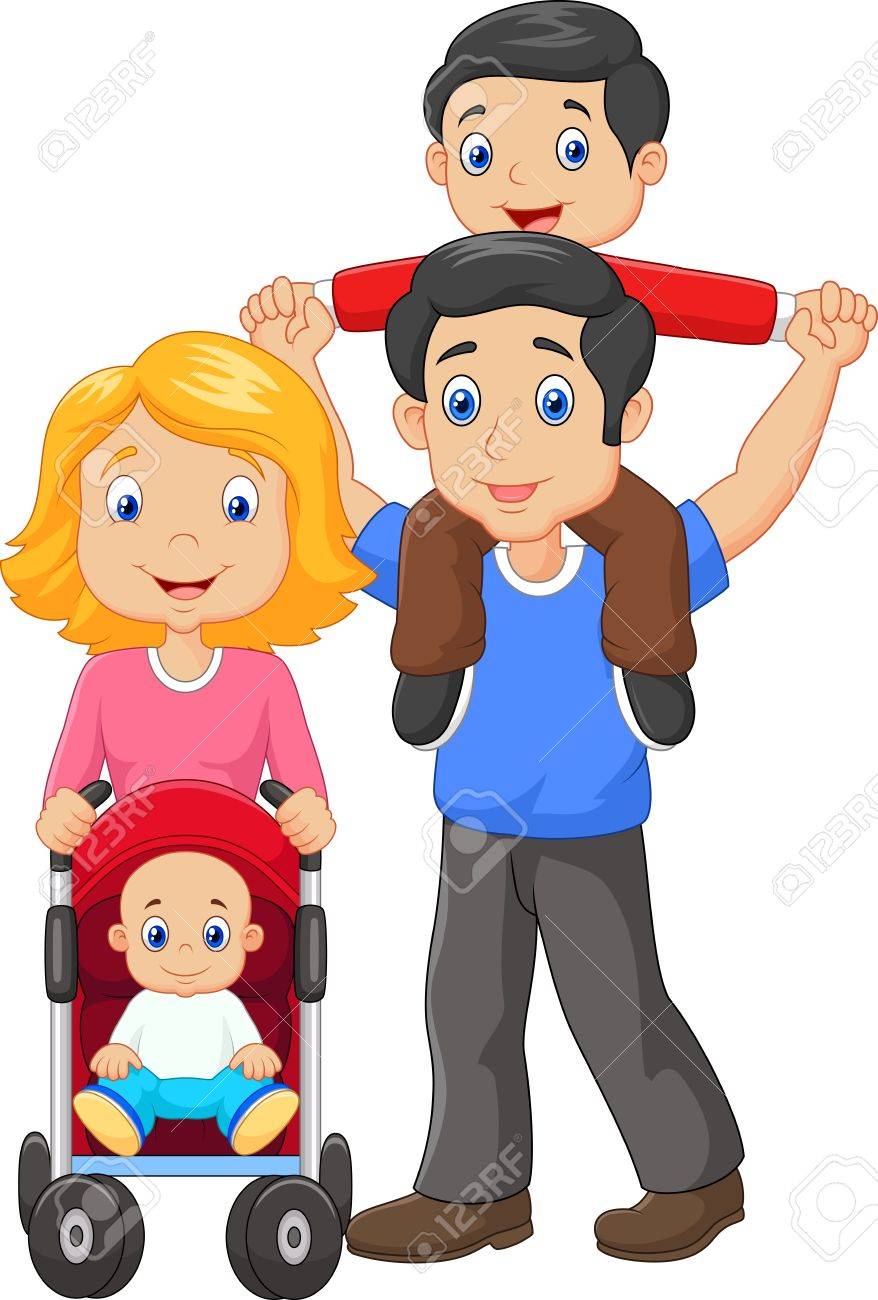
Peter and Mark ____ brothers.
HE
THEY
ARE
WE

They ______ happy
is
am
are
_________ son plurales
We - I - she
We - you - he
You - are - It
We - they - you
She, He, and It son____
Plurals
Singular
Regular
Irregular

Cuando el verbo termina en: O-X-Z-S-SS-SH-CH.
¿Qué debo agregar al verbo?
S
ES
ESS
IES

Si el verbo termina en "y".
¿Qué terminación se usa?
IES
ES
S
CH

Para tercera persona del singular.
¿El verbo correcto es have o has?
Have
Has

Selecciona las oraciones correctas.
she is my girlfriend.
She are my girlfriend
She's my grilfriend.

