wayground logo

Free Printable Worksheets

NEW

Font size

S
M
L
XL
Worksheets

Global History II Midterm Review

Total questions: 26

Worksheet time: 15mins
Name
Class
Date
1.

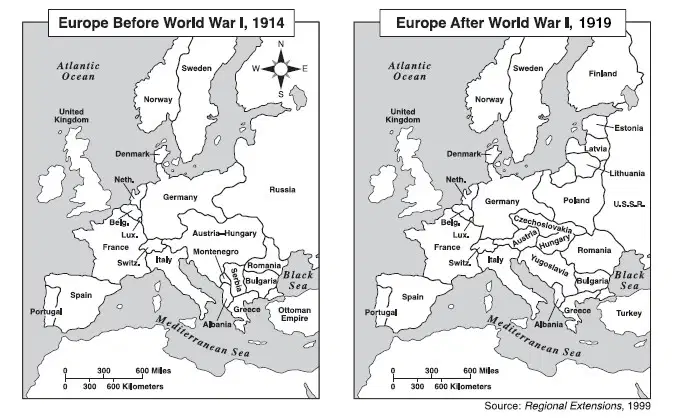
 How did access to waterways such as the Black Sea and the Mediterranean Sea help the Ottoman Empire to become wealthy and powerful? 

a)
Waterways provided the Ottoman Empire with agricultural resources.
b)
Access to waterways allowed the Ottoman Empire to control trade routes, enhance naval power, and increase wealth through trade.
c)
Access to waterways limited the Ottoman Empire's trade opportunities.
d)
Control of waterways led to a decline in naval power for the Ottoman Empire.
2.


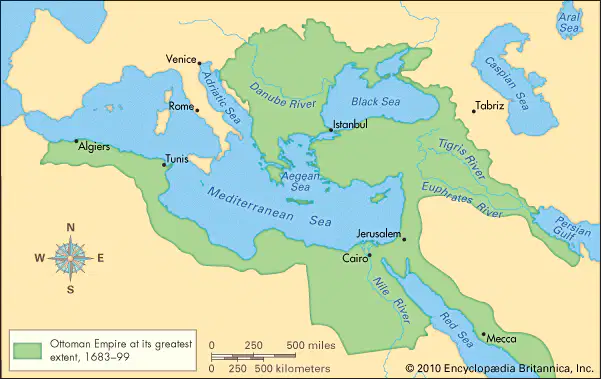
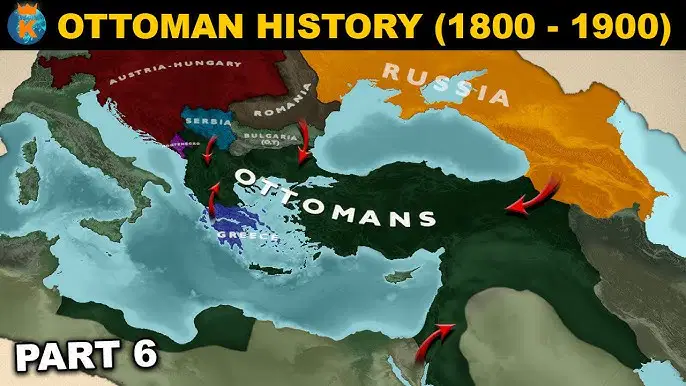
Why did the Ottoman Empire begin to lose territory between the 1800’s and 1913?
a)
The Ottoman Empire expanded its territory during this period.
b)
The empire was strengthened by alliances with other nations.
c)
Economic prosperity led to territorial gains.
d)
The Ottoman Empire lost territory due to internal strife, nationalist movements, military defeats, and European exploitation.
3.

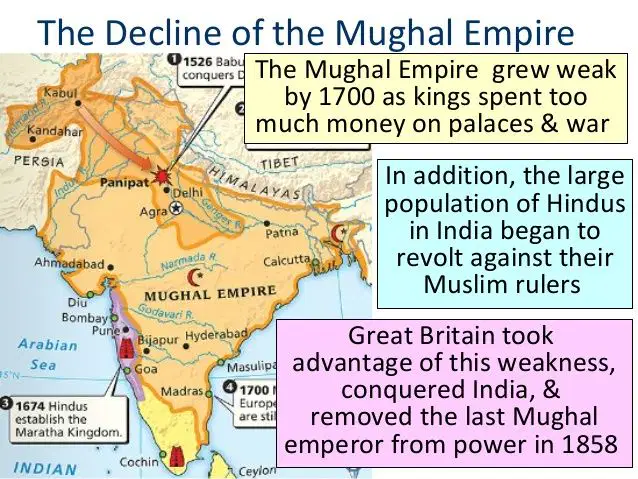
A reason for the decline of the Mughal Empire.

a)
Strong military presence
b)
Economic prosperity
c)
Cultural renaissance
d)

Internal strife, poor run government/

leadership and weak economy.

4.

How did the Tokugawa Shogunate gain and maintain power in Japan?

a)
Through democratic elections and popular support
b)
The Tokugawa Shogunate gained and maintained power through military conquest, centralized governance, social hierarchy, and isolationist policies.
c)
By forming alliances with foreign powers
d)
By promoting trade and cultural exchange with the West
5.

How did King Louis XVI control and maintain power over the people of France?

a)
Through a system of checks and balances with the parliament
b)
By relying solely on popular support and public opinion
c)
By promoting democratic reforms and giving power to the people
d)

Through absolute monarchy, He spent the taxpayers (3rd Estate) money on luxuries and wars.  controlled the Nobles (elite class) by forcing them to spend time at the Palace of Versailles.

6.

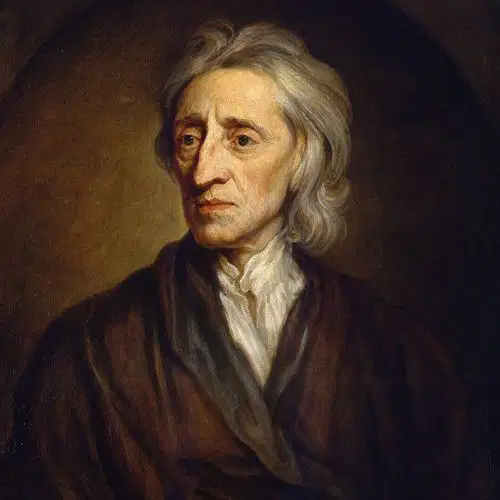
Montesquieu was an Enlightenment thinker who stressed the importance of...
a)
the separation of powers
b)
universal suffrage
c)
absolute monarchy
d)
the divine right of kings
7.

John Locke was an Enlightenment thinker who stressed importance of...

a)

individual rights, Life, Liberty, Land, the government should protect these rights

b)
absolute monarchy
c)
collective ownership
d)
government control
8.

Olympe de Gouges believed that....

a)
Olympe de Gouges advocated for the abolition of all rights.
b)
Olympe de Gouges believed in gender equality and women's rights.
c)
Olympe de Gouges believed in the superiority of men over women.
d)
Olympe de Gouges supported traditional gender roles.
9.

How has nationalism impacted the development and unification of countries and regions?

a)
Nationalism has led to the decline of cultural identities in regions.
b)

Nationalism (having pride in your country) inspired leaders to overthrow their mother country and gain independence OR unite their country because of their shared culture, language, history etc

c)
Nationalism has no effect on the political boundaries of countries.
d)
Nationalism promotes globalism and international cooperation.
10.

How did Nationalism affect Germany

a)
Nationalism had no significant impact on Germany's economy.
b)
Nationalism unified Germany and fueled militarism and imperialism.
c)
Nationalism led to the division of Germany into smaller states.
d)
Nationalism caused Germany to abandon its military ambitions.
11.

The Ottomans controlled trade because:

a)

They owned major port and land trade routes

b)

They were technologically advanced

c)

They conquered anyone who opposed them

d)

Suleiman The Magnificent was loved by many people

12.

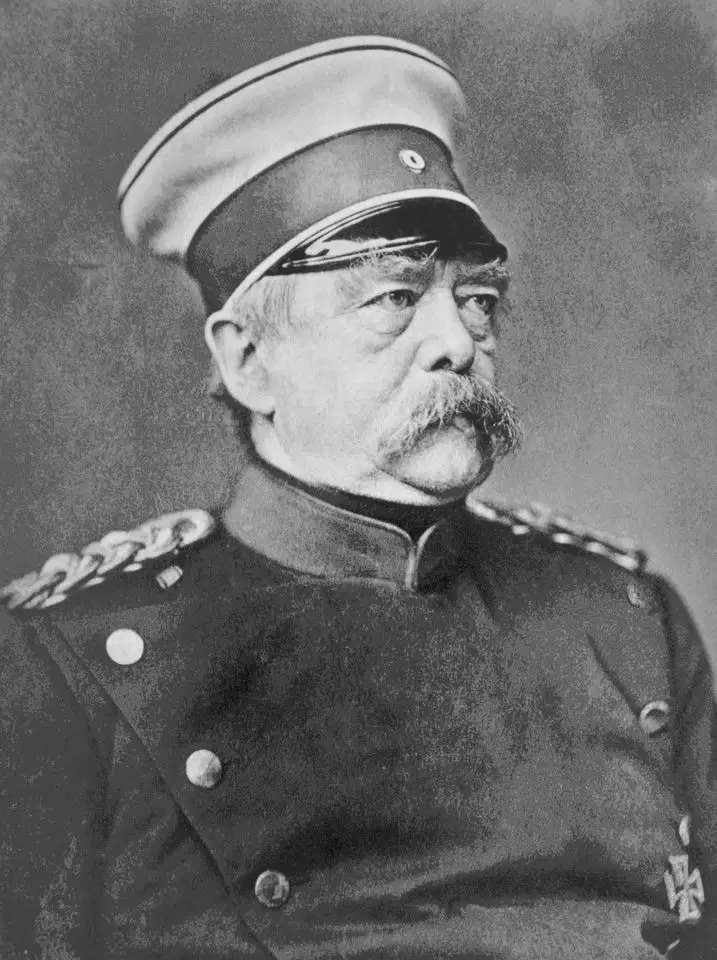
How did nationalism affect the Austria-Hungary Empire?
a)
Nationalism unified the diverse ethnic groups in the empire.
b)
Nationalism had no significant impact on the empire's stability.
c)
Nationalism caused ethnic tensions and instability, contributing to the decline of the Austria-Hungary Empire.
d)
Nationalism led to the expansion of the Austria-Hungary Empire.
13.

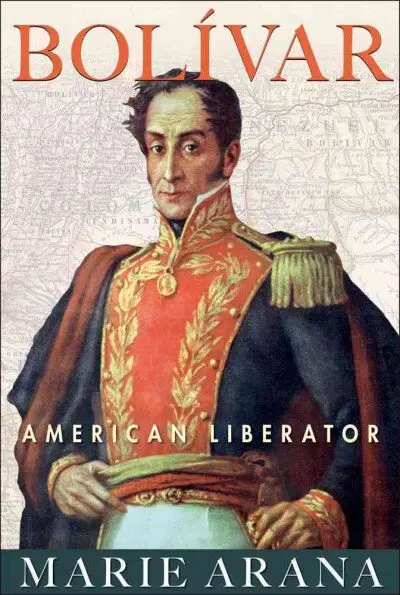
What methods did Otto von Bismark use for German Unification

a)
Bismarck used peaceful negotiations without military action.
b)

Bismarck used diplomacy and military conflict, Blood and Iron and Realpolitik for, German unification.
c)
Bismarck relied solely on economic treaties for unification.
d)
Bismarck focused on alliances with France to unify Germany.
14.


Who inspired and influenced Simon Bolivar to revolutionize South American nations?

a)

Enlightenment thinkers, such as John Locke, and the American and French revolutions.

b)
Indigenous tribes of South America
c)
European monarchs and their armies
d)
Spanish colonial leaders
15.

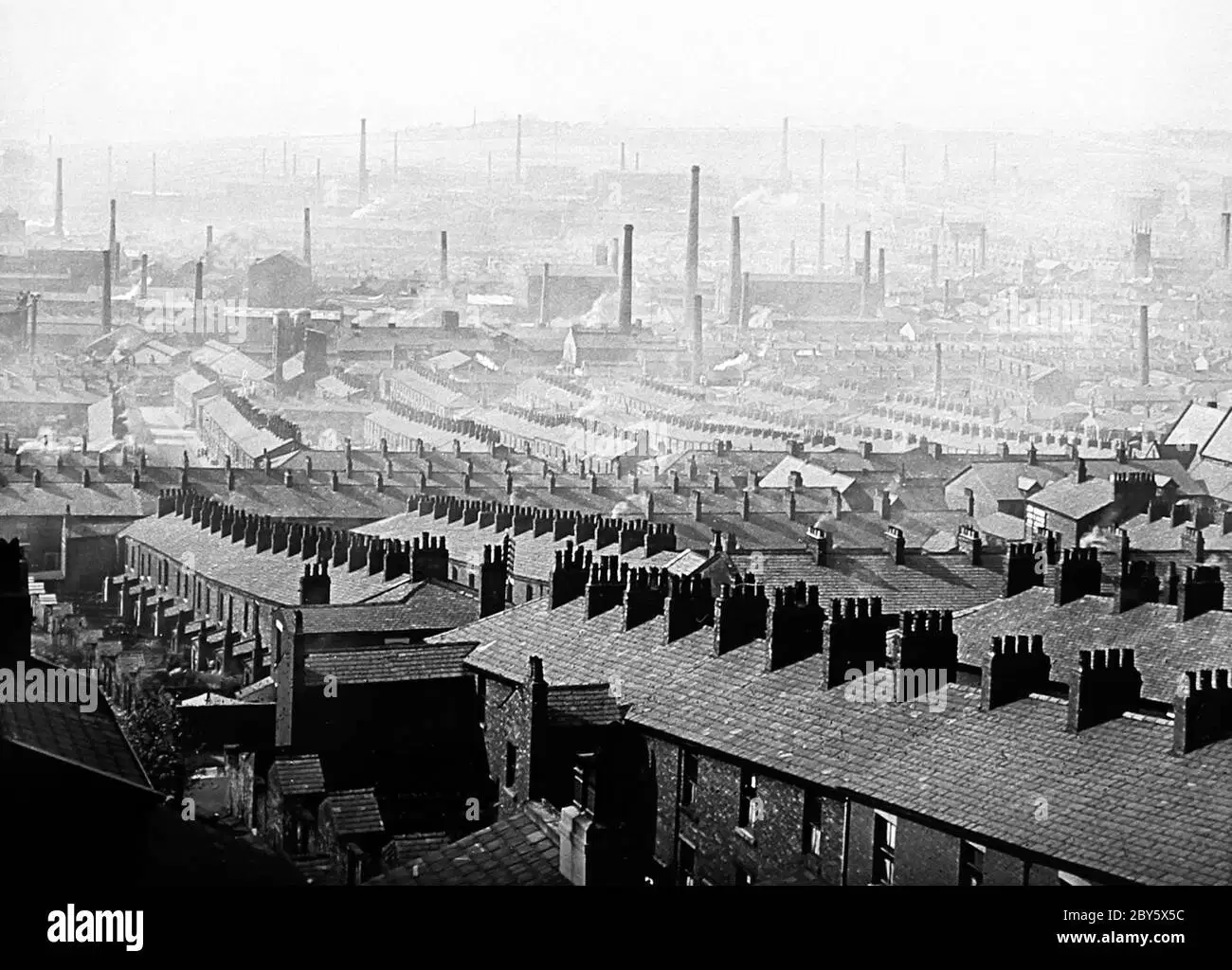
How did the Agricultural Revolution impact the Industrial Revolution?
a)
The Agricultural Revolution had no effect on the Industrial Revolution's development.
b)
The Agricultural Revolution led to a decline in population during the Industrial Revolution.
c)
The Agricultural Revolution caused a shift from urban to rural living during the Industrial Revolution.
d)
The Agricultural Revolution provided the necessary food surplus and labor force that enabled the Industrial Revolution.
16.

How did the Industrial revolution affect the people living in those cities?
a)
The Industrial Revolution led to a decrease in job opportunities and better living conditions.
b)
Cities became less polluted and more spacious during the Industrial Revolution.
c)
The Industrial Revolution caused urban overcrowding, poor living conditions, and pollution, but also created job opportunities and improved infrastructure.
d)
The Industrial Revolution had no significant impact on urban infrastructure.
17.

The economic ideas of Adam Smith were...

a)
An early form of socialist theory advocating for wealth redistribution.
b)
A critique of capitalism focusing on government control.
c)
A theory that promotes monopolies as beneficial for the economy.
d)

The foundation of classical economics, emphasizing free markets and self-interest. (Laissez Faire & invisible Hand
18.

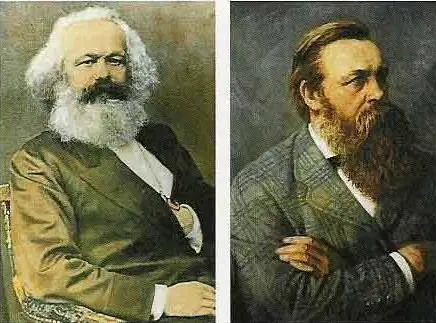
What was the economic ideas of Karl Marx and Fredrick Engels?

a)
Marx and Engels promoted capitalism and individual ownership.
b)
Marx and Engels advocated for socialism and communism, emphasizing class struggle and collective ownership of production.
c)
They believed in the superiority of monarchy over democracy.
d)
Marx and Engels argued for minimal government intervention in the economy.
19.

Effects of the Irish Potato Famine:

a)
The Irish Potato Famine caused mass starvation, disease, and emigration, leading to a population decline of about two million.
b)
The Irish Potato Famine had no significant impact on emigration.
c)
The famine resulted in a population growth of over one million.
d)
The Irish Potato Famine led to an increase in agricultural production.
20.

Explain why the Potato famine led to the growth of Irish nationalist movements:
a)
The Potato Famine had no impact on Irish politics.
b)
The famine led to increased British support for Ireland.
c)
The Potato Famine caused a surge in agricultural exports from Ireland.
d)
The Potato Famine led to the growth of Irish nationalist movements by highlighting the failures of British rule and fostering a desire for self-determination among the Irish people.
21.

A sphere of Influence is in terms of imperialism is...

a)
A region where a country has significant influence without formal control.
b)
A military base established in another country.
c)
A territory directly governed by a foreign power.
d)
A trade agreement between two nations.
22.

A reason the British wanted to increase the supply of Opium to China.

a)
To balance trade deficits with China.
b)
To establish a military presence in China.
c)
To reduce the demand for tea in Britain.
d)
To promote British culture in China.
23.

In what ways did Emperor Meiji change Japan while he was in power?
a)
Emperor Meiji abolished the military and disbanded the government.
b)
He isolated Japan from foreign influences and trade.
c)
Emperor Meiji focused solely on traditional arts and culture.
d)
Emperor Meiji modernized Japan through political, military, and educational reforms, transitioning it into a global power.
24.

What was the purpose of the League of Nations?  Was it successful?
a)
To establish a global currency system.
b)
To promote trade agreements between nations.
c)
To create a military alliance against aggressor states.
d)
The purpose of the League of Nations was to promote peace and prevent wars, but it was not successful.
25.

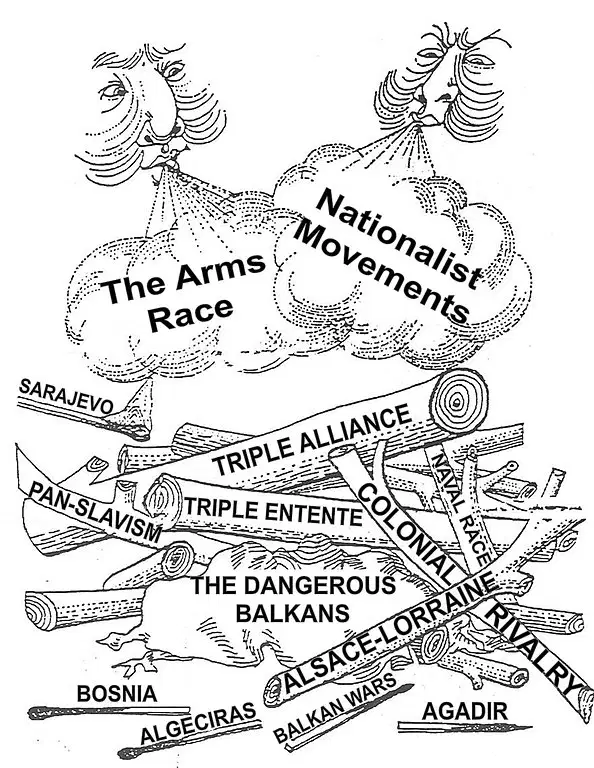
What were the M.A.I.N causes of WWI?

a)
Socialism
b)
Militarism, Alliances, Imperialism, Nationalism
c)
Technology
d)
Economics
26.

What were the outcomes of WWI?

a)
The outcomes of WWI included the collapse of empires, the creation of new nations, economic turmoil, and the establishment of the League of Nations.
b)
The war resulted in the immediate unification of all European nations.
c)
The outcomes included a significant increase in colonial territories for all major powers.
d)
WWI led to the establishment of a global monarchy.