
 Worksheets
CFA Body Systems & Viruses Redo
Total questions: 11
Worksheet time: 9mins

Which systems work together to provide protection for the body with the systems shown in the diagram above?
circulatory, immune, and integumentary systems
integumentary, excretory, and muscular systems
circulatory, skeletal, and digestive systems
muscular, immune, and nervous systems
Which of the following is effective in reducing the number of viral infections?
none of the above
antibodies
inoculation
vaccines
A scientist is in a laboratory investigating unknown specimens and is trying to determine whether they are viruses or bacterial cells. Below are the scientist's observations. Match the scientist's observations with the category that best applies.
The specimen has an outer protein coat
The specimen has its own ribosomes
The specimen is observed to have genetic material
The specimen is extremely small

The most likely function of the structure labeled X in the above figure is –
storing and protecting viral DNA
anchoring the virus to a cell
injecting viral DNA into a cell
assembling the parts of a virus
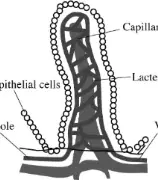
This structure helps what two body systems distribute food to the body?
digestive and nervous
digestive and endocrine
digestive and circulatory
digestive and respiratory
The lungs and skin both perform functions that are vital in maintaining homeostasis. The lungs rid the body of carbon dioxide waste and the skin eliminates excess water, salts, and heat. Based on this, in which body system would both skin and lungs be included?
respiratory
integumentary
circulatory
excretory
Viruses have similarities and differences from cells. Which statements below correctly describe either commonalities or differences between viruses and cells? Select TWO correct answers.
Viruses and cells both have a form of genetic material, such as DNA.
Viruses and cells both have organelles which perform basic functions.
Viruses and cells both have identical life cycles.
Viruses and cells both have surface proteins which allow for recognition and binding to hosts.
Viruses cannot carry out their life cycles unless inside a host cell.
Consider the correct answers you chose in Part A. What is the best justification for choosing these two answers?
Genetic material is essential for living things.
Surface proteins on both cells and viruses allow for recognition of the host cells.
Cells have genetic material and organelles, while viruses have genetic material but do not have organelles.
Organelles have distinct functions inside of cells.
The (a) system consists of a group of organs that help break down food into nutrients and simpler substances. The (b) system helps transport these nutrients and substances throughout the body, and into the cells. Food that is undigested moves through the large intestine, and is eliminated from the body through the (c) system.
Move the correct answer to each box. Not all answers will be used.
Which two systems help deliver oxygen to cells in the human body?
Select TWO correct answers.
digestive
circulatory
integumentary
respiratory
skeletal
Scientists are designing new medicines to fight infectious diseases caused by viruses. One of the most effective ways these medicines could limit the spread of the virus within the body would be to –
make it easier for viruses to leave cells
burst cells infected with viruses
stop viruses from attaching to cells
prevent viruses from dividing

