
NEW
Font size
 Worksheets
Chapter 1 People and Government - Team Quiz
Total questions: 25
Worksheet time: 28mins
How do the goals of socialism differ from the goals of capitalism?
Only capitalism stresses private ownership of business
Only capitalism strives to award workers a fair wage
Only socialism has the goal of serving society
Only socialism works to prevent government interference.
Consumers have considerable power in which type of economic system?
Communism
Capitalism
Mixed economy
Socialism

Which of these would you find in a monarchy but not in a democracy?
constitution
political parties
representatives who make laws
unelected head of state

Which of these is true of current communist countries?
Distribution is controlled by the workers.
Government controls natural resource use.
No one receives wages for work.
Private investments are common.

Although Ohio is considered a state, it is different from a country such as Japan, which is also considered a state. What makes Ohio different from Japan?
Ohio does not have its own organized government.
Ohio is not characterized by a distinct ethnic group.
Ohio is not in a defined geographic territory.
Ohio is subject to laws from another entity (federal government).
Which of these could be considered an advantage of having a federal system in the United States?
Each state government can be different and tailored to the needs of the state.
Federal and state courts create a more streamlined justice system.
Social concerns can be addressed at the federal level instead of the state level.
The centralized government has much less control than the state governments.

In a truly democratic society, which of the following happens during an election?
Citizens are required to vote for the candidate that belongs to their party.
Citizens vote, but the winner is ultimately decided by a high court.
The candidate that has been appointed by a political party takes power.
The elected candidate takes office without violence from a rival party.
What type of government is being described? Fidel Castro held total authority over the citizens of Cuba and punished those who were against him.
Theocracy
Democracy
Dictatorship
Oligarchy

Example: Modern day England – ruler is a symbolic head of state with elected members of Parliament who govern.
Constitutional Monarchy
President
Dictator
Republic
When citizens vote on every issue of concern.
Monarchy
Direct Democracy
Representative Democracy
Unitary
True or False. The United States is an example of a Direct Democracy.
True
False
According to John Locke, what must people do if their government stops working?
Overthrow the government and live without a government
Overthrow the government and create a new government
Nothing. The people must follow their government-any government is better than nothing at all
According to the Social Contract theory ...
government emerged when all the people of an area were brought under the control of one person or group
Government emerged from family
People give up some of their natural rights in order to receive protection
A person gains the authority to govern because a god or group of gods gave them that power
Who believed that man is born evil & selfish, and needs to be controlled. Life without a strong government would be nasty, brutish, and short
Hobbes
Locke
What is an oligarchy?
A form of government where power is concentrated in the hands of a single ruler
A form of government where power is concentrated in the hands of a small group of people
A form of government where power is concentrated in the hands of elected officials
A form of government where power is concentrated in the hands of the majority of the population
How are positions of authority chosen with divine right theory?
Chosen by a higher power or deity
Chosen by merit or qualifications
Chosen by birthright
Chosen by democratic election

Which form of classic government has rulers that claim to represent and be directed by a set of religious ideas? Their laws are based on a certain religion that is followed. You would see this in Iran.
Theocracy
Oligarchy
Republic
Dictatorship
Governments are important for all of the following reasons EXCEPT?
They allow people to live together peacefully and productively.
They have been formed by people for hundreds of years.
They reduce the possibility of living in a state of confusion, violence, and fear.
They allow our lives to be solitary, poor, nasty, brutish, and short.
None of the choices are correct

The House of Commons part of the English parliamentary system was filled with _________________________.
representatives elected by English citizens
supporters of the American Revolution
English men who supported the classical liberalism of Ancient Rome
none of the choices are correct

The power of the government is shared between state government and a strong national government. This is called __________________
Federalism
Duel Sovereignty
Checks and balances
None of the choices are correct

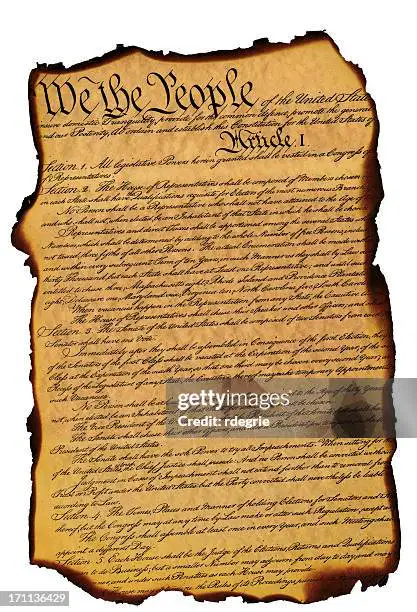
What is the purpose of the Preamble to the Constitution?
To declare independence from England.
To protect individual rights
To explain the purpose of establishing a new government.
To list grievances against the King of England.
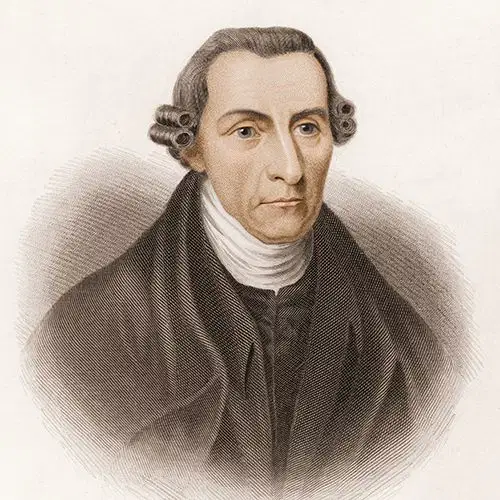
Which foundling father of our nation said, "give me liberty, or give me death!"
Patrick Henry
Adam Smith
Karl Marx
John Locke
Thomas Hobbes

Which is not a essential feature of states
Population
Territory
Language
Government
Sovereignty
Which is not a purpose for a state
maintaining social order
protects citizens from attacks
influences the economy
provides essential public services
houses the homeless

