
 Worksheets
Session Objectives Quiz
Total questions: 37
Worksheet time: 19mins
Who does the Health and Safety at Work etc. Act 1974 include?
Only employers
Only employees
All people at work, self-employed, and the general public
Only the general public
What does the Health and Safety at Work etc. Act 1974 focus on?
Premises and processes
People and activities
Only employers
Only employees
What is one of the main objectives of the Health and Safety at Work Act 1974?
To ensure the safety of all people at work
To increase work hours
To reduce employee benefits
To promote unhealthy habits
What does the Health and Safety at Work Act 1974 aim to control?
Dangerous substances and emissions
Employee salaries
Office decorations
Lunch breaks
According to the Health and Safety at Work Act 1974, what should be protected from risks?
Others at work
Office furniture
Company profits
Vacation days
Who is responsible for health, safety, and welfare according to the Health and Safety at Work Act 1974?
Only the employer
Only the employees
Everyone
Only the government
What must employers provide to ensure safety at work?
Snacks
Personal protective equipment (PPE)
Entertainment
Transportation
How many employees must a company have to require a health and safety policy?
Two
Ten
Five
One
What must employers ensure for their employees according to HASAWA?
Health, safety, and welfare
Health and wealth
Safety and happiness
Welfare and income
What must employers do according to the Health and Safety at Work Act 1974?
Carry out risk assessments
Ignore safety measures
Avoid informing employees
Skip regular reviews
What should employers do with risk assessments at regular intervals?
Review them
Discard them
Hide them
Forget them
Who must give information about how their work might affect health and safety?
Only employees
Only managers
Every employer and self-employed person
Only health and safety representatives
Who must employers consult with regarding health and safety?
Customers
Health and safety representatives
Other companies
Family members
What is the role of health and safety representatives?
To sell products
To make and maintain arrangements for health and safety
To hire new employees
To manage finances
What are the two types of health and safety publications?
Mandatory and advisory
Optional and required
Legal and illegal
Public and private
What do acts of parliament do?
Create or change laws
Provide safety equipment
Train employees
Build new buildings
Who is responsible for implementing health and safety acts?
Health and safety committee
Local schools
Private companies
Community groups
What are regulations?
Rules and procedures set by authorities
Suggestions for improvement
Personal opinions
Random guidelines
Who produces the HSE guidance notes?
Health and Safety Executive (HSE)
City & Guilds
Local Government
School Teachers
Is following the HSE guidance notes compulsory?
No, but it helps comply with the law
Yes, it is mandatory
Only on weekends
Only for children
What do Approved Codes of Practice (ACOPs) offer guidance on?
Cooking recipes
Complying with the Regulations
Playing sports
Painting techniques
What might happen to employers who do not follow an ACOP?
They receive a reward
They are likely to be found at fault by the courts
They get a holiday
They win a prize
What is considered good practice according to the document?
Ignoring the rules
Following an ACOP
Skipping work
Playing games
What should employees NOT do according to the Health and Safety at Work Act 1974?
Recklessly interfere with anything affecting health and safety
Follow safety procedures
Report unsafe conditions
Wear safety gear
What can HSE officers do?
Inspect sites
Cook meals
Drive buses
Paint houses
HSE officers can take what during their inspections?
Photos and samples
Toys and games
Books and pencils
Shoes and socks
What do HSE officers talk and discuss?
Situations and/or problems
Movies and music
Weather and sports
Fashion and style
What is the legal right of health and safety inspectors regarding workplace entry?
They must always give notice.
They can enter without giving notice.
They can only enter with police.
They need permission from employees.
What do inspectors check during a normal inspection visit?
The color of the walls.
The employer's compliance with health and safety law.
The number of employees.
The type of furniture used.
What might an inspector do if a risk to health and safety is perceived?
Ignore it.
Offer guidance and advice.
Paint the walls.
Change the company name.
What does an inspector do when the breach of the law is small?
Arrest the person immediately.
Advise the duty holder on actions to take.
Ignore the breach.
Fine the person heavily.
How can the information be given if required?
Through a phone call.
In writing.
By sending a text message.
By visiting the person.
How long is the minimum time period to take corrective action?
10 days
15 days
21 days
30 days
What must happen before work can resume after a prohibition notice?
Corrective action must be taken
The weather must change
A new notice must be issued
A party must be held
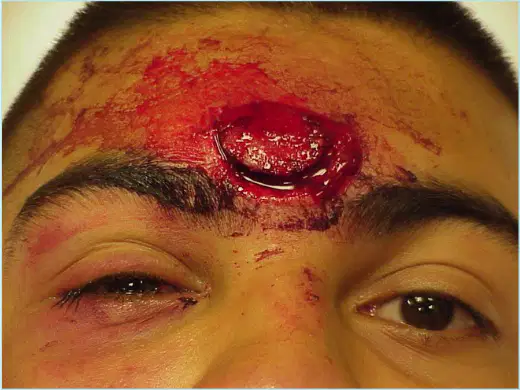
What can happen if someone fails to comply with a prohibition notice?
They might receive a reward.
They could face a fine or imprisonment.
They will get a promotion.
They will be given a certificate.
What is the maximum fine for not complying with a court remedy order?
£10,000
£15,000
£20,000
£25,000
How long can someone be imprisoned for not following an improvement notice?
One month
Three months
Six months
Nine months