
Font size
 Worksheets
6.10(A)(B)(C) Review
Total questions: 26
Worksheet time: 14mins
A student is making a model of how the atmosphere and biosphere interact. Which model best shows this?
a diagram of animals eating plants
a diagram of plants decaying into the ground
a diagram of plants giving off carbon dioxide
a diagram of water flowing in a river
Which of the following factors impacts the stability of the hydrosphere and atmosphere?
Plants soak up water from the ground.
Water filters through the soil into groundwater.
Heat and wind cause water in a pond to evaporate into the air.
Animals breathe oxygen from the air.
What happens to plants when they die and decay?
They become water in the hydrosphere.
They release oxygen into the atmosphere.
They become part of the soil, which is part of the biosphere.
They disappear
Which sphere includes the layer of gases surrounding Earth?
Atmosphere
Geosphere
Biosphere
Hydrosphere
What is the process called when plants use sunlight to make food?
Respiration
Photosynthesis
Decomposition
Evaporation
What is formed from the remains of ancient plants and animals?
Water
Fossil fuels
Soil
Rocks
Which layer of Earth is the least dense?
Crust
Mantle
Inner core
Outer core
What is the purpose of using a model in science?
To show imaginary colors
To reduce great distances to a scale we can see
To show only present-day properties
To confuse the observer

Which layer of the Earth is labeled as number 1 in the diagram?
Crust
Mantle
Outer core
Inner core

Which layer of the Earth is labeled as number 4 in the diagram?
Crust
Mantle
Outer core
Inner core

Which layer of the Earth is labeled as number 2 in the diagram?
Crust
Mantle
Outer core
Inner core

Which layer of the Earth is labeled as number 3 in the diagram?
Crust
Mantle
Outer core
Inner core
Which layer of the Earth is composed of metal?
Crust
Mantle
Outer core
Inner core
Water is a component of which Earth's systems?
Atmosphere and Biosphere
Atmosphere and Hydrosphere
Atmosphere
Geosphere
A plant is a component of which of Earth's systems?
Atmosphere
Biosphere only
Geosphere and Atmosphere
Biosphere and Geosphere
Carbon Dioxide is a part of which of Earth's systems?
Atmosphere and Biosphere
Geosphere and Atmosphere
Biosphere only
Hydrosphere
Nitrogen is part of which of Earth's systems?
Biosphere
Hydrosphere
Atmosphere
Geosphere
Animals are part of which of Earth's systems?
Biosphere
Hydrosphere
Atmosphere
Geosphere
How are the inner and outer core different?
inner core is liquid
outer core is solid
inner core is solid
outer core is liquid
inner core is cold
outer core is hot
inner and outer core are the same
Which layer of the Earth is the most dense?
inner core
outer core
crust
mantle
Which process in the rock cycle transforms sediment into sedimentary rock?
Compaction and cementation
Melting
Weathering
Cooling
What type of rock is formed when magma cools and solidifies?
Sedimentary rock
Metamorphic rock
Fossil rock
Igneous rock
Which process can change a sedimentary rock into a metamorphic rock?
Cooling
Weathering and erosion
Heat and pressure
Melting

Which rocks are made by heat and pressure?
IGNEOUS
SEDIMENTARY
METAMORPHIC
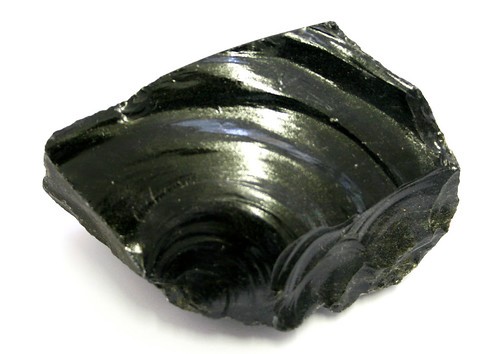
The rock type that forms when magma cools and becomes solid is
metamorphic
igneous
sedimentary
marble

Which type of rock is formed from the accumulation of sediment?
Sedimentary rock
Igneous rock
Metamorphic rock
Mineral rock

