
 Worksheets
Understanding Artificial Selection and Selective Breeding
Total questions: 15
Worksheet time: 8mins
What is the definition of artificial selection?
The process by which organisms adapt to their environment naturally.
The intentional breeding of organisms by humans to produce desired traits.
The random mutation of genes in a population.
The natural extinction of species over time.
Which of the following is an example of selective breeding?
Wolves hunting in packs.
Farmers breeding cows to produce more milk.
Birds migrating south for the winter.
Fish swimming upstream to spawn.
What is one benefit of selective breeding?
It increases genetic diversity.
It can lead to the development of new species.
It can enhance desirable traits in plants and animals.
It eliminates the need for natural selection.
Which of the following is a risk associated with artificial selection?
Increased biodiversity.
Decreased genetic diversity.
Natural adaptation to environments.
Enhanced survival of the fittest.
Explain how artificial selection differs from natural selection.
Artificial selection is a natural process, while natural selection is human-driven.
Artificial selection is driven by human choice, while natural selection is driven by environmental pressures.
Both processes are identical in their outcomes.
Artificial selection occurs randomly, while natural selection is intentional.
Identify a scenario where selective breeding might be used to solve a problem.
Breeding plants to survive in drought conditions.
Allowing animals to breed freely in the wild.
Introducing invasive species to new environments.
Encouraging natural predators to control pest populations.

Discuss the potential impact of selective breeding on food production.
It can decrease food production by reducing crop yields.
It can increase food production by enhancing crop and livestock traits.
It has no impact on food production.
It can lead to the extinction of certain food species.

Analyze the ethical considerations of using artificial selection in agriculture.
It is always ethically acceptable because it benefits humans.
It raises ethical concerns about animal welfare and genetic manipulation.
It is unethical because it mimics natural processes.
It has no ethical implications.
Evaluate the long-term effects of reduced genetic diversity due to artificial selection.
It can lead to increased resilience to diseases.
It can result in vulnerability to diseases and environmental changes.
It has no long-term effects.
It ensures the survival of the species.

Predict how selective breeding might affect the future of biodiversity.
It will increase biodiversity by creating new species.
It will decrease biodiversity by reducing genetic variation.
It will have no effect on biodiversity.
It will stabilize biodiversity by maintaining current species.
What is a common goal of artificial selection in agriculture?
To create organisms that are less efficient.
To develop crops and animals with desirable traits.
To increase the natural extinction rate.
To reduce the number of species available.
Which of the following is NOT a benefit of selective breeding?
Improved yield of crops.
Enhanced resistance to diseases.
Increased genetic diversity.
Faster growth rates in livestock.
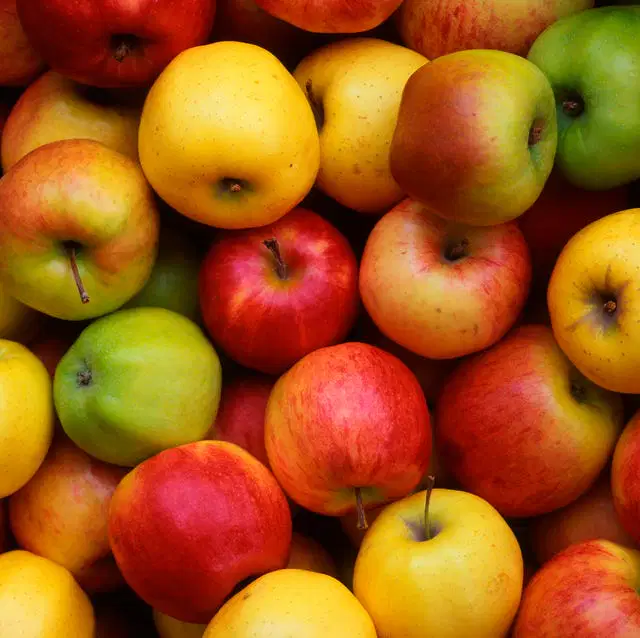
How does selective breeding contribute to the development of new plant varieties?
By allowing plants to evolve naturally without interference.
By selecting and breeding plants with specific desirable traits.
By introducing random mutations in plant genes.
By cross-breeding plants with unrelated species.

Consider the role of artificial selection in the domestication of animals. What is a key factor in this process?
Allowing animals to choose their own mates.
Selecting animals with traits that are beneficial to humans.
Releasing animals back into the wild.
Preventing any human intervention in animal breeding.
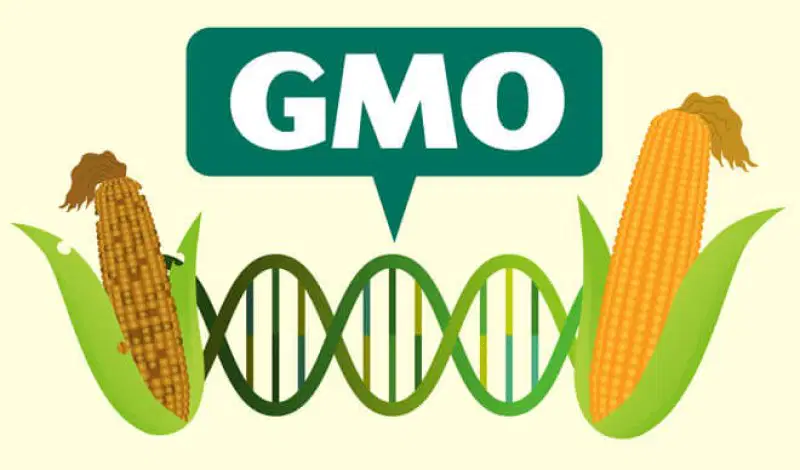
Critique the use of artificial selection in creating genetically modified organisms (GMOs).
It is universally accepted and poses no risks.
It can lead to ethical and environmental concerns.
It is a natural process with no human involvement.
It is the only method to ensure food security.

