
Font size
 Worksheets
Ancient Athens, Ancient Rome, & the Vikings
Total questions: 20
Worksheet time: 11mins

If you wanted to visit Athens, where would you go?
Northern Europe, by the Baltic Sea
Southern Europe, by the Mediterranean Sea
Western Europe, by the Atlantic Ocean
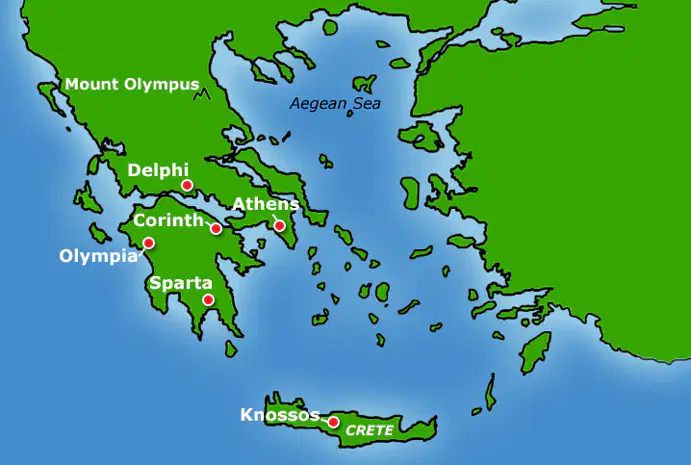
How were Ancient Greek city-states government like?
Each city-state was independent and had its own laws
The Greek city-states were united under a central government
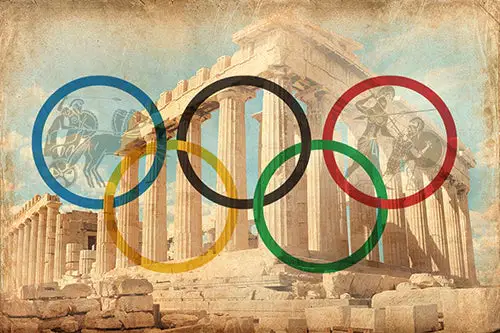
Which belief may have led to the creation of the Olympic Games?
All men are created equal
A healthy body is as important as a healthy mind
City-states should not fight wars against one another
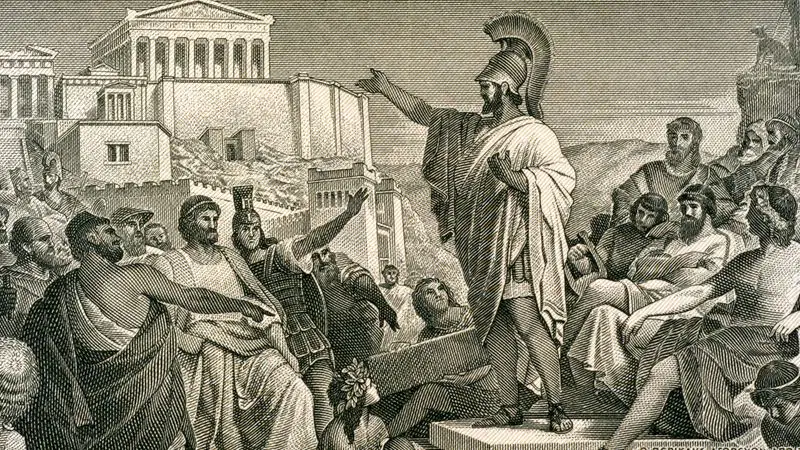
How was Athenian democracy different from American democracy?
Citizens were not allowed to serve on juries
People were not allowed to vote for their leaders
Women could not participate in public life

Which phrase best describes Ancient Athens?
The birthplace of democracy
The birthplace of capitalism
The capital of ancient Europe
What does "direct democracy" mean?
That people vote on laws themselves, without representatives
That only certain people can serve on juries and hold office
That state legislatures elect representatives, not the people themselves

Which feature of Athenian democracy still exists in American democracy?
Representatives are still elected by lottery
Juries still consist of regular citizens
All laws are still subject to popular vote

Which choice best describes the Roman Republic?
A government run by elected representatives.
A monarchy run by a king or queen.
An oligarchy run by society's richest members.

How was Roman government different before written laws, the Twelve Tables, were created?
Beforehand, Rome had no official laws.
Beforehand, not everyone knew what all of Rome's laws were.
Beforehand, the Roman government was a dictatorship.
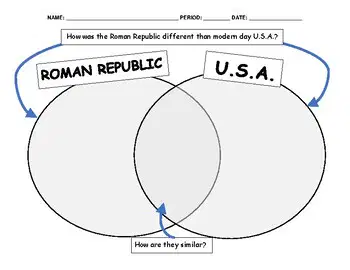
The United States and the Roman Republic both have ______ branches of government.
two
three
four
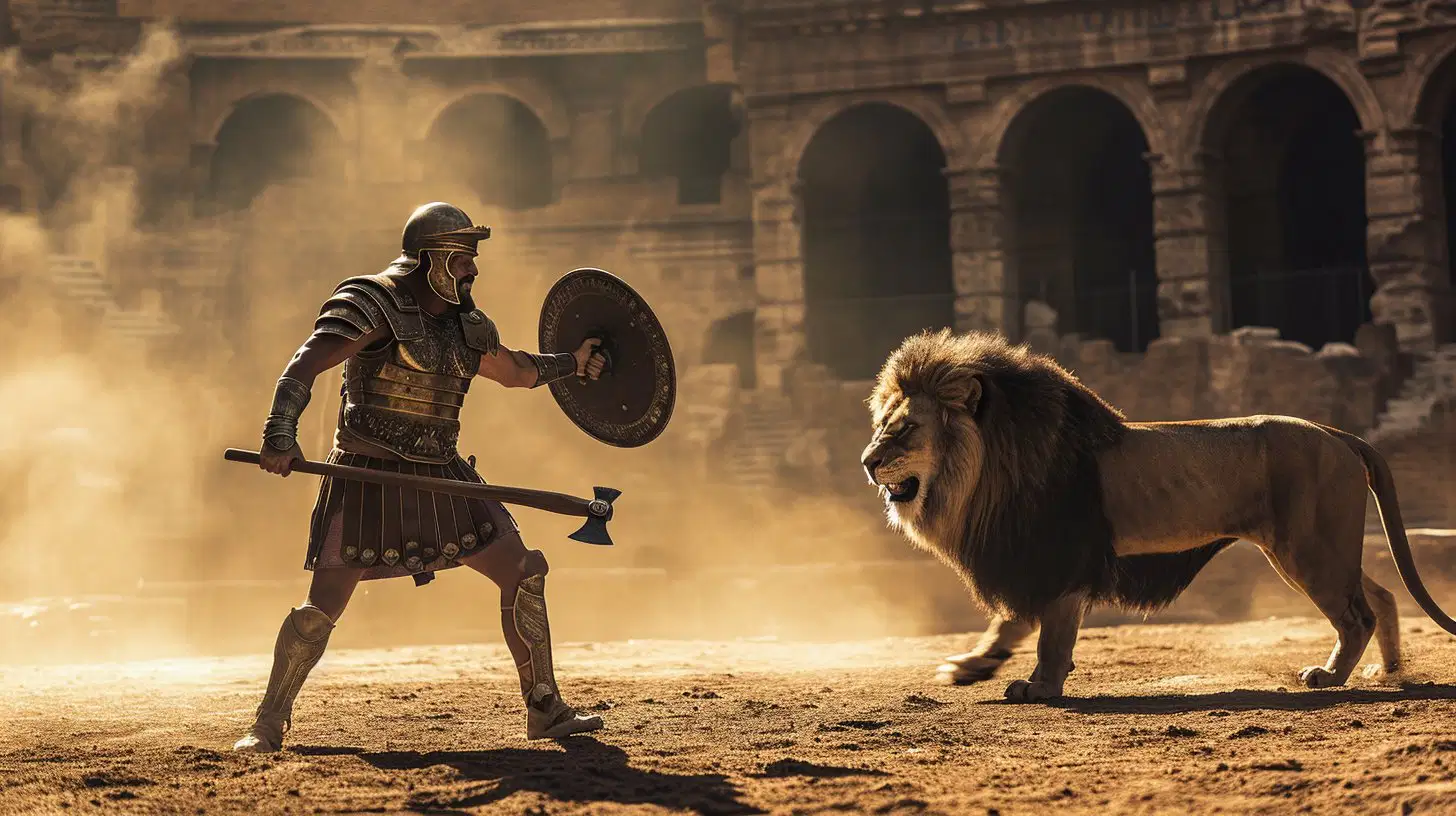
How were gladiator fights different from today's professional sports?
Gladiator fights were much deadlier.
Gladiator fights were less popular.
No one was allowed to bet money on gladiator fights.

What architectural feature was popular among Roman architects?
The arch
The steeple
The column

What set Viking longships apart from other ships of the era?
Their speed and maneuverability
Their powerful cannons
Their ability to ram and destroy other ships
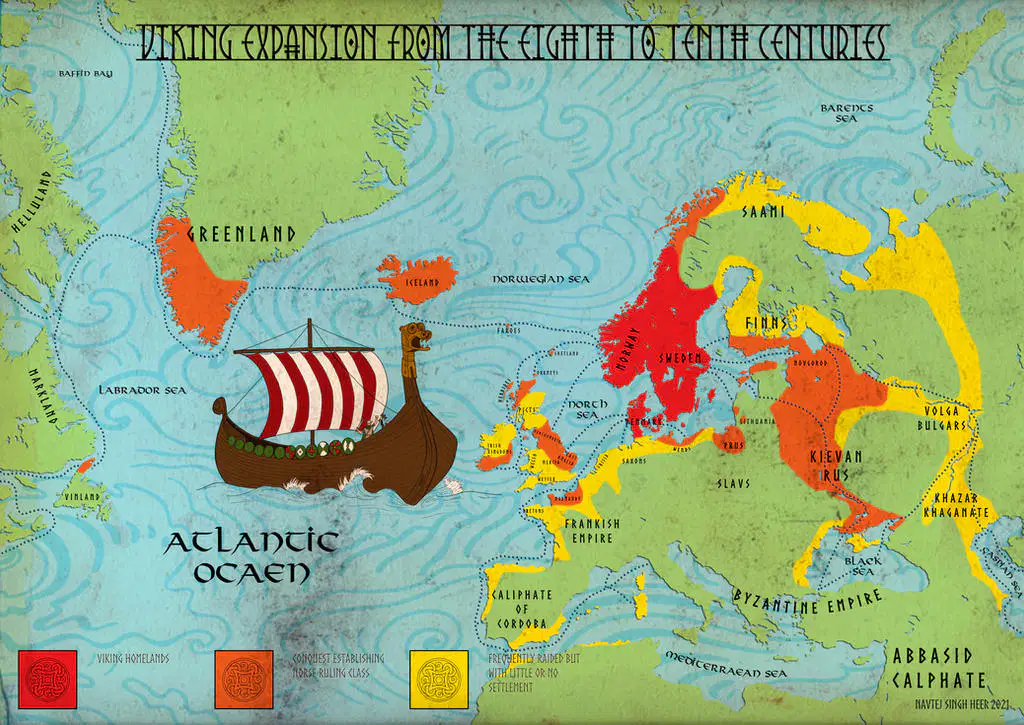
Viking raiding parties often launched from which of the following modern cities?
Madrid, Spain
Berlin, Germany
Oslo, Norway

Which of the following cities was most likely founded by Vikings?
Reykjavik, Iceland
Rome, Italy
Moscow, Russia
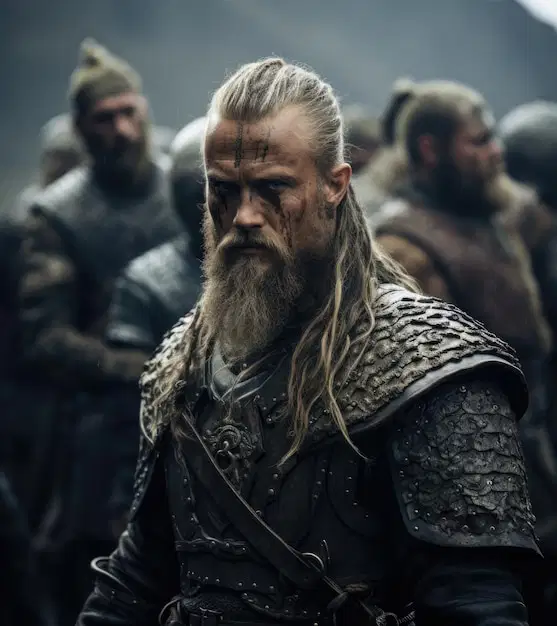
If you were a Norseman accused of stealing cattle from your neighbor's farm, what would most likely happen to you?
Nothing; there was no law against theft in Norse society
Your neighbor would have to fight you in order to get his cattle back
You'd go on trial, and your guilt would be decided by your peers

Which choice best describes the role of women in Norse society?
They were viewed as property
They had many of the same rights as men
They were not allowed to voice their opinions in public

The "things" held by Norse people were most similar to:
Large feasts
Political rallies
Town council meetings

Which of the following contributed most to the end of the Viking Age?
The creation of large armies by European kings
The Black Plague, which wiped out half the Scandinavian population
The invasion of Scandinavia by European armies
Match the contribution to the civilization
mythology (Zeus & Hades); metropolis; -ology "study of"; -phobia "fear of"; philosophy; olympics; juries; democracy
Ancient Greeks
Written laws; arches; Latin; Senate; 3 branches; republic; mythology (Venus & Mars); calendar
Ancient Romans
Dublin; mythology (Thor & Loki); Thursday; thing; Icelandic Sagas; long ship
Ancient Vikings

