
 Worksheets
Scientific Theory Quiz
Total questions: 27
Worksheet time: 17mins
Which of the following is an example of a scientific theory?
The solution turned orange as the reaction progressed.
I predict that the longer the gum is chewed, more of a decrease in mass will be observed.
I heated the sample for 5 minutes.
The total mass remained the same during the reaction because the container was kept closed, and no gases were able to escape.

Which of the following IS NOT absolutely necessary in a conclusion of a lab report?
Summary of the experimental results including data.
A detailed description of the procedure.
A restatement of the hypothesis, and whether the hypothesis is supported or rejected.
Reasoning for why the hypothesis is supported or rejected.
The number 608,000 is put into scientific notation. Which is the correct value?
6.08 x 10^3
6.8 x 10^5
6.08 x 10^-5
6.08 x 10^5
Which of the following is NOT in correct scientific notation?
6.02 x 10^23
4 x 10^-76
0.6 x 10^40
9.9999 x 10^4000
Convert 3.7 meters into centimeters.
3700 cm
370 cm
0.037 cm
0.0037 cm
Convert 22 ml into liters.
220 liters
2.20 liters
0.22 liters
0.022 liters
Which scientist discovered electrons, leading to advancements from Dalton’s atomic theory?
Thomson
Rutherford
Bohr
Mendeleev
Which of the following is a part of John Dalton’s atomic theory?
Matter is made of tiny, indivisible particles called atoms.
Atoms of the same element are identical.
Atoms can be rearranged during a chemical reaction.
Atoms contain protons and neutrons in the nucleus.
Atoms that have either a positive or negative charge are called
Isotopes
Ions
Cations
Anions
Isotopes are atoms of the same element that differ only in the number of (a) .
How many protons, neutrons, and electrons would an atom of potassium – 39 contain?
19, 39, 19
19, 19, 20
39, 19, 39
19, 20, 19
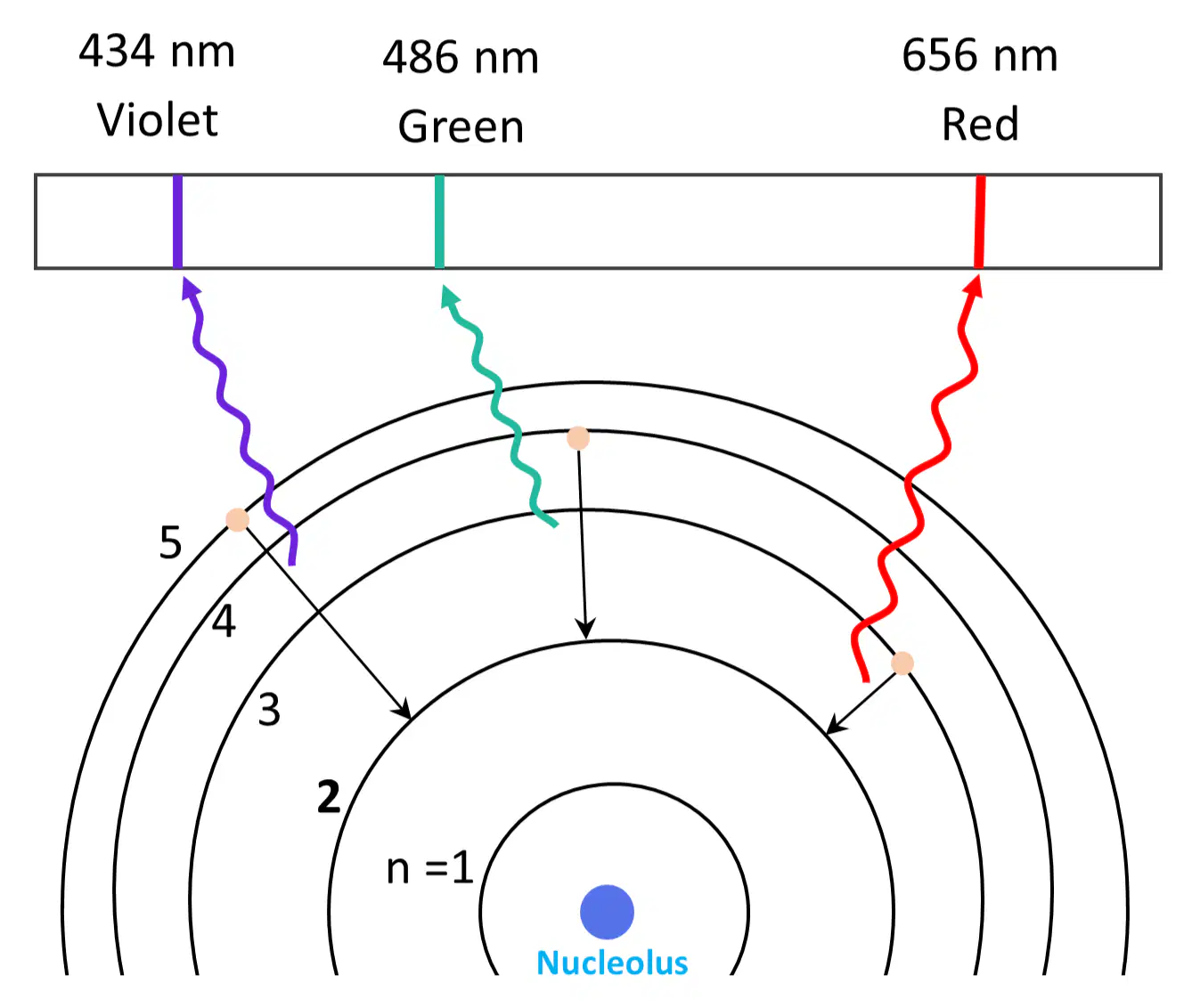
If electrons of a certain element drop from an excited state to a lower state, what do you expect to happen?
Radiation emitted with specific wavelengths related to the energy
A continuous rainbow of light
White light similar to a light bulb is emitted
What is mass?
How much something weighs.
The amount of matter an object has.
The force of gravity pulling down on you.
A large number of objects crowded together.

Label the Isotope Notation correctly
mass number
atomic number
symbol

Sodium (Na) is found in which period?
1
2
3
4
Determine what element is denoted by the following electron configuration: 1s²2s²2p⁶3s²3p⁶4s²3d¹⁰4p⁶5s¹.
Rubidium
Strontium
Yttrium
Zirconium
Since sulfur is a nonmetal, it would be expected to have which properties?
shiny, malleable, conductive
dull, brittle, poor conductor
dull, malleable, reacts with acids
shiny and malleable, but not conductive
Which atom has the most valence electrons
Ca
C
Cl
Si
As you move across a period, do the atoms get smaller or larger?
smaller
larger
The chemical bond between a non-metal and another non-metal will be a ________ bond.
metal
ionic
covalent
polar
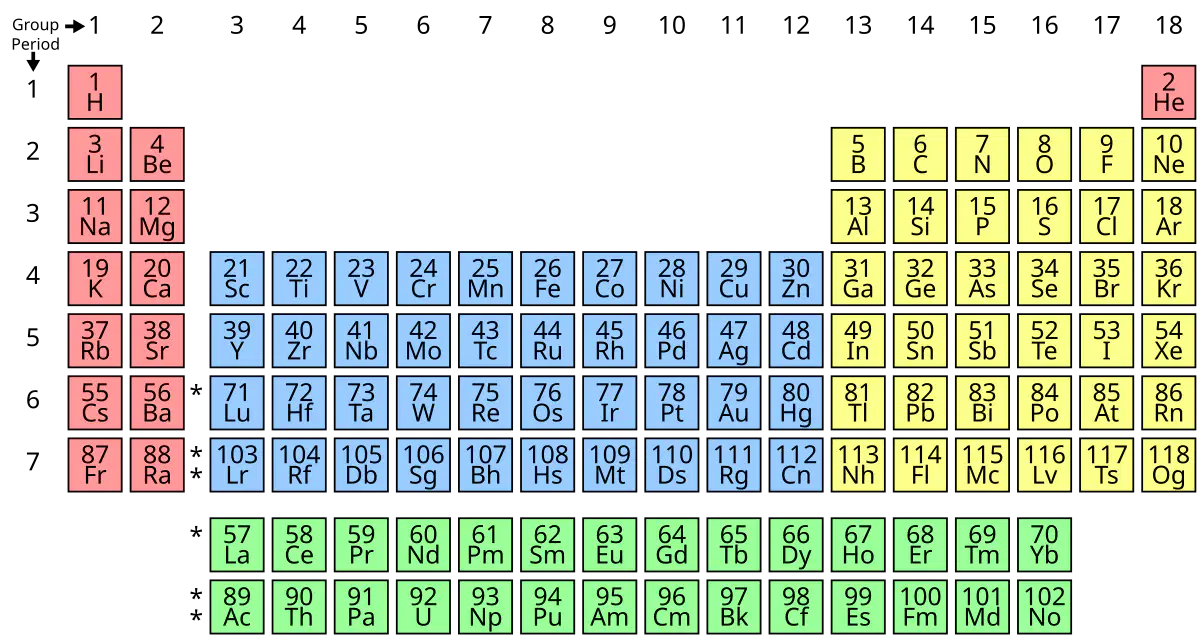
Which of the elements listed has 3 valence electrons?
Hydrogen
Nitrogen
Scandium
Aluminum
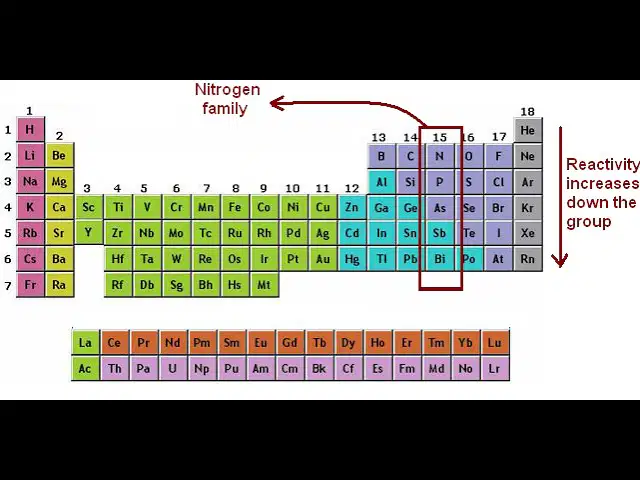
A nitrogen atom would like to for ____ covalent bonds and share ___electrons in order to be stable.
1;2
2;4
3;6
3;3

Ba+2 and Br-1 combine to form...
The compound FeBr2 is named ________________
Iron bromide
iron dibromide
iron (II) bromide
iron (HI) bromide
Which hypothesis is correctly written?
I'm going to sleep 8 hours tonight to do well on my formative
If I sleep for 8 hours, then I will do well on my formative.
If I sleep for 8 hours, then I will do well on my formative because research shows that teenagers need 8 hours of sleep every night.
If I sleep for 8 hours, then I will do well on my formative because I want to sleep more.

