
NEW
Font size
 Worksheets
Wood Byproducts Quiz
Total questions: 25
Worksheet time: 14mins
What is plywood primarily made of?
Bamboo strips
Thin layers of wood veneer
Composite materials
Plastic resin
Which of the following is a common use of plywood?
Decorative panels
Flooring
Fencing
Lightweight furniture
What makes plyboard lighter than plywood?
Use of bamboo instead of wood
Strips of wood placed between veneers
Combination of wood fibers and resin
Plastic-based structure
What is a characteristic of composite materials?
Made solely from wood
High eco-friendliness
Combination of wood fibers with resins or plastics
Exclusively used for flooring
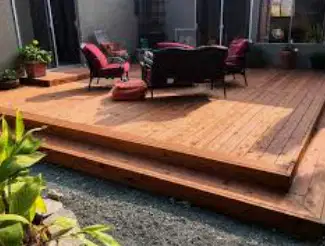
Composite materials are frequently utilized for which purpose?
Indoor flooring
Lightweight furniture
Decking
Doors
Engineered bamboo is considered eco-friendly because:
It is lightweight and cheap
It is made from recycled plastics
Bamboo is a renewable resource
It does not require adhesives
Which of the following is a common use of engineered bamboo?
Roofing
Fencing
Flooring
Wall sheathing
What is the main difference between plywood and plyboard?
Plyboard is heavier than plywood
Plywood uses wood strips, while plyboard uses veneers
Plywood is stronger and more durable
Plyboard is exclusively used outdoors
Which material is best for outdoor furniture?
Plywood
Plyboard
Composite materials
Engineered bamboo
Identify the wood byproduct that is lighter and more cost-effective:
Plywood
Plyboard
Composite materials
Engineered bamboo
Identify the non-wood material that combines wood fibers with resins or plastics:
Plywood
Plyboard
Composite materials
Engineered bamboo
Identify the non-wood material that is eco-friendly and made from bamboo:
Plywood
Plyboard
Composite materials
Engineered bamboo
Identify the material commonly used for outdoor decking and fencing:
Plywood
Plyboard
Composite materials
Engineered bamboo
What is the purpose of DENR Administrative Order 2021-05?
Ensure the sustainable operation of wood processing plants
Promote the sustainable development of bamboo resources
Regulate the cutting of rattan
Monitor environmental standards in factories
What does DENR Administrative Order 2021-11 focus on?
Harvesting bamboo sustainably
Regulating wood processing plants
Encouraging bamboo plantations
Contracts for rattan harvesting
According to DENR Administrative Order No. 89-04, what is the main concern regarding rattan?
Efficient transport of rattan
Sustainability in rattan cutting and gathering
Economic profitability of rattan
Streamlining bamboo harvesting
Which administrative order encourages bamboo plantations for economic goals?
DENR Administrative Order 2021-05
DENR Administrative Order 2021-11
DENR Administrative Order No. 89-04
None of the above
What is a key feature of DENR Administrative Order 2021-11?
Promotes eco-friendly bamboo harvesting
Ensures efficient use of wood resources
Regulates contracts for rattan transport
Streamlines bamboo plantations
A piece of lumber measures 3 inches thick, 8 inches wide, and 10 feet long. How many board feet does the lumber have?
20 BF
40 BF
60 BF
80 BF
A carpenter buys a piece of lumber with dimensions 6 cm thick, 40 cm wide, and 2 meters long. If the price of lumber is PHP 900 per board meter, how much does the lumber cost?
PHP 43.20
PHP 48.00
PHP 96.00
PHP 108.00
What is the equivalent volume of one board meter?
1 meter long, 1 meter wide, 1 meter thick
1 meter long, 1 meter wide, 1 cm thick
1 foot long, 1 foot wide, 1 inch thick
1 foot long, 1 foot wide, 2 inches thick
How does a board foot differ from a board meter?
A board foot measures volume in inches, while a board meter uses centimeters
A board foot measures weight, while a board meter measures volume
A board foot is used in the Philippines, while a board meter is used in the United States
A board foot measures volume in feet and inches, while a board meter uses meters and centimeters
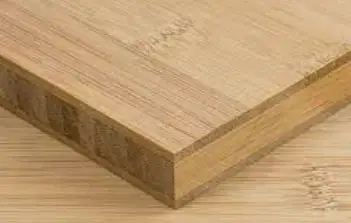
Which picture depicts engineered bamboo?
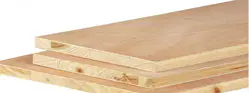
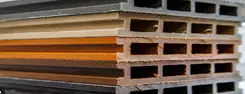
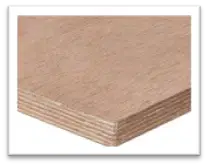
Which picture depicts Composite Materials?
Which picture depicts Plywood?

