
 Worksheets
Slow Changes to the Earth's Surface
Total questions: 45
Worksheet time: 2hrs 53mins
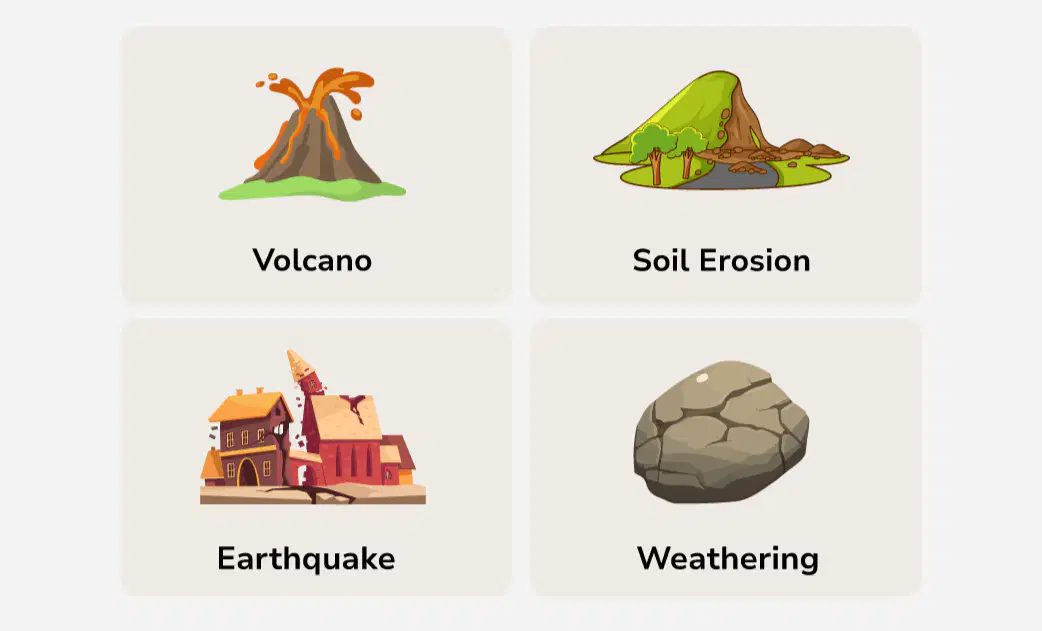
A change to Earth’s surface that takes many years to show obvious effects
Slow Change
Surface
Weathering
Erosion

The outermost covering or layer
Slow Change
Surface
Weathering
Erosion

The breakdown of rocks into very small particles by gravity, water, wind, and ice
Slow Change
Surface
Weathering
Erosion

The removal and movement of sediment from one place to another by gravity, water, wind, or ice
Slow Change
Surface
Weathering
Erosion
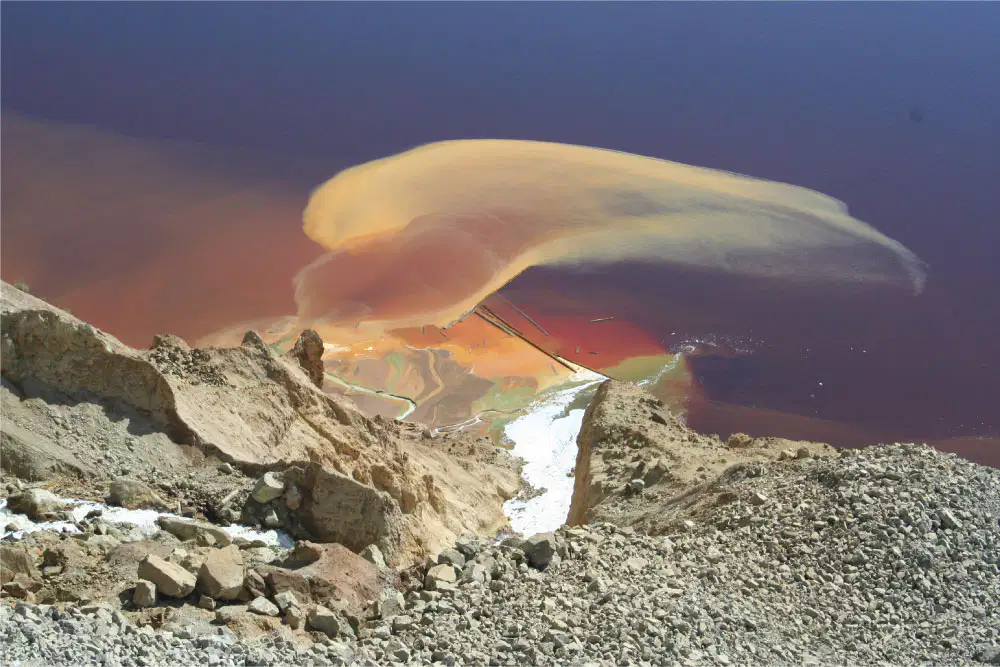
The buildup of land by the settlement of sediment and soil in a new location
Landform
Wind
Deposition
Water
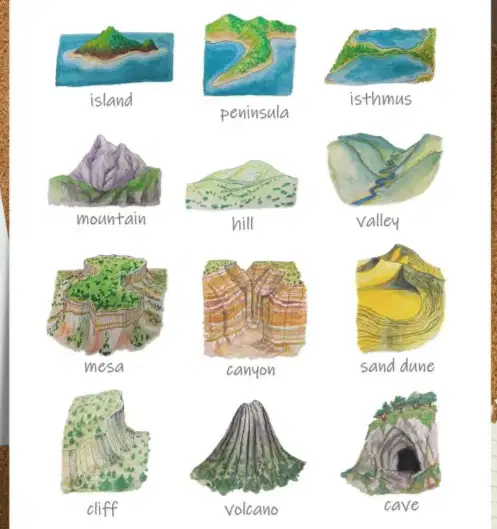
A feature on the surface of Earth, such as a mountain, hill, dune, ocean, or river
Landform
Wind
Deposition
Water

Moving air
Landform
Wind
Deposition
Water

A colorless, odorless, and tasteless liquid living things need to survive
Landform
Wind
Deposition
Water
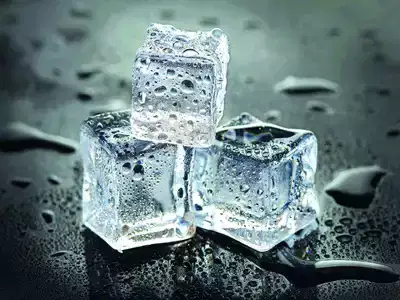
Water in the form of a solid
Landform
Ice
Deposition
Water
Earth is changing all the time. True or False?
True
False
Click all that are considered FAST changes
weathering
erosion
landslide
volcano
Slow changes include what? Select all the correct answers
weathering
erosion
deposition
landslides
Which is an example of weathering?
Landslide
Volcano
When water in a stream flows over rocks and wears them down
Which is an example of erosion
When a volcano erupts
When weathered rock gets carried away in a stream
during a Hurricane

Which of the following is NOT a cause of weathering, erosion, and deposition?
Wind
ice
fire
water
What is the main difference between weathering and erosion?
Erosion changes the Earth's surface, but weathering does not.
Weathering always happens very quickly, but erosion always happens very slowly.
Weathering breaks down rocks, and erosion moves weathered pieces of rock or sediment away.
Erosion breaks down rocks, and weathering moves the eroded pieces of rock or sediment away.
The movement of sediment from the effects of water, wind, and ice
The dropping of sediment in a new location
The breaking down of larger rocks into sediment from the effects of water, wind, and ice
Natural features of the Earth's surface
Landforms

A triangular shaped landform at the mouth of fast flowing rivers that are formed by water erosion and deposition
Landform
Delta
Sand Dune
U-shaped Valley
Glacier

Sand hills found in deserts and along coastlines that are formed by wind erosion and deposition
Landform
Delta
Sand Dune
U-shaped Valley
Glacier
Valleys found in high mountainous areas that are formed by glacial weathering (ice) and erosion
V-shaped Valleys
A large, slow-moving mass of ice
A change that takes thousands of years
Rapid Change

Valleys found in high mountainous areas that are formed by glacial weathering (ice) and erosion
Landform
V-shaped Valley
Sand Dune
U-shaped Valley
Glacier

Which sentence correctly uses the word "eroded"?
The water is eroded the land.
Yesterday, water eroded the land.
Right now, water is eroded the land.
Tomorrow, water will eroded the land.

Which sentences correctly uses the word "settling"?
The sand settling.
Yesterday, the sand settling.
Now I can see the sand is settling.

Waves dropping sand on the beach.
Weathering
Erosion
Deposition

The picture shows a wide U-shaped valley. This valley was most likely formed by?
wind
river
glacier
landslide
Most changes to Earth's surface is so _________ we can't see them happening
slow
fast
medium
What is the main cause of earthquakes?
pressure from within the Earth's crust
hurricanes
tornadoes
wind
What is the most common causes of Tsunamis?
Thunderstorms
floods
underwater earthquakes
landslides
How do volcanoes change landforms?
they create mountains
they reshape mountains
they reshape the land around the mountains
all of these
How do flood waters change Earth's surface rapidly?
floods move large amounts of earth material from one place to another
it doesn't change Earth's surface
floods keep Earth materials where they are
A landslide is an example of _________ and ________.
erosion and lava
an eruption and flood
erosion and deposition
an eruption and storm
The breaking down of larger rocks into sediment from the effects of water, wind, and ice
The dropping of sediment in a new location
The movement of sediment from the effects of water, wind, and ice
A change that takes thousands of years
Rapid Change

The image shows the impact of which process?
earthquake
volcano
hurricane
landslide

The image shows the impact of which process?
earthquake
volcano
hurricane
landslide

The image shows the impact of which process?
earthquake
volcano
hurricane
landslide

