
 Worksheets
Landforms Review
Total questions: 53
Worksheet time: 1hrs 12mins

A dinosaur footprint is MOST LIKELY which type of fossil?
model
mold
imprint
cast

What are most fossils made out of?
bones
skin
plants
minerals

What is a scientist who studies living things from the past called?
palentologist
opthomologist
doctor
extinct

What type of fossil is this?
cast
mold
amber
When something breaks down it is called
decay
mold
imprint
cast
A fossil made when minerals fill a space and harden.
model
mold
cast
imprint

What type of fossil is this?
mold
cast
amber/trueform
A fossil that is a hollow space in the shape of an animal is called
cast
mold
model
imprint
Animal fossils are made up of?
skin
minerals
bones
hair
After millions of years, layers of mud and sand that cover dead plants can
turn to rock and form fossils.
perfectly preserve the plants.
turn into humus.
bring the plants back to life.
Where are MOST fossils found?
in rock
in sand
in mud
in water

What type of fossil is this?
mold
cast
amber
A mark or shape in rock left by a plant or animal that lived long ago.
model
mold
imprint
cast
Which of these is an imprint?
bone
footprint
weathered rock
fossil tooth
All living things...plants and animals
organism
fossil
extinct
How have scientists learned about mammoths?
by studying mammoths in zoos.
by studying mammoths in amber.
by studying mammoths frozen in ice.
by studying photos of living mammoths.
The preserved remains or trace of a living thing from long ago.
organism
fossil
extinct
A hollow space in the shape of an organism.
mold
model
cast
imprint
Paleontologists study fossils to learn about?
pollution
extinct organisms
hardness
different kinds of soil
Living things that have died and are no longer living on earth are
organisms
fossils
extinct
Something that stands for a real object
model
mold
cast
imprint


Erosion ________________________.
breaks down rock
moves rocks
deposits rock
is caused by ice wedging

Weathering is the__________________.
breaking down of rocks
movement of rocks
deposition of rocks

What process most likely formed the Grand Canyon?
weathering by wind
rain pounding the rocks
erosion by a river (water)
_____________________ happens when rocks on Earth's surface break apart or change without moving anywhere.
Erosion
Weathering
Deposition
_____________________ is the movement of soil and rock by wind, water, ice, and gravity.
Weathering
Erosion
Deposition
______________________ occurs when eroded materials stop moving and begin to build up.
Weathering
Erosion
Deposition

The Grand Canyon was caused by _____________________ erosion from the Colorado River.
water
wind
Which process describes rain washing away soil from a hill?
Weathering
Erosion
Deposition
Which process describes layers of sediment forming at the bottom of the ocean?
Weathering
Erosion
Deposition
Which process describes flood water pounding against a canyon wall and wearing it down?
Weathering
Erosion
Deposition
What is the primary cause of rock fragments being carried away by a river?
Deposition
Weathering
Erosion
Which process is responsible for the formation of sand dunes in a desert?
Deposition
Erosion
Weathering
How does acid rain contribute to the weathering of rocks?
By depositing minerals on the rocks
By chemically reacting with minerals in the rocks
By physically breaking rocks apart

a fan-shaped deposit of rocks formed where a stream flows from a steep slope onto flatter land
volcano
alluvial fan
sand dune
caldera

a low area in which sediments are often deposited

A V-shaped gorge with steep sides eroded by a stream
Basin
Valley
Canyon
Cast
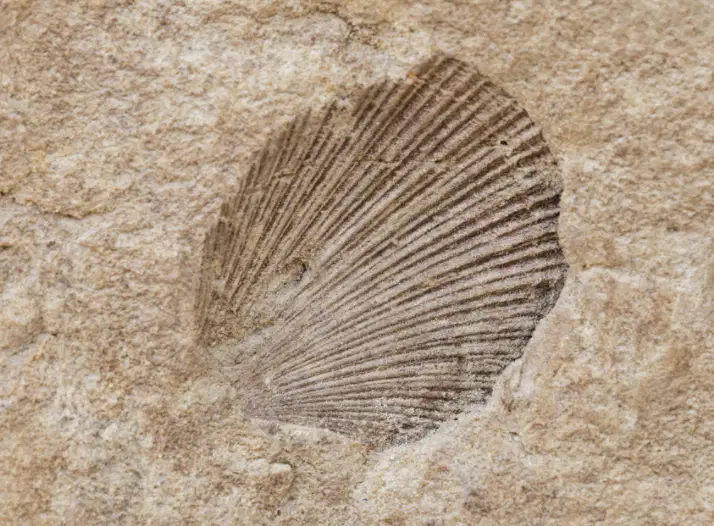
A copy of an organism, like a fossil, created by the minerals in a mold.
Body
Trace
Imprint
Cast

A fan-shaped deposit of earth materials at the mouth of a stream

A large amount of water flowing over land that is usually dry.
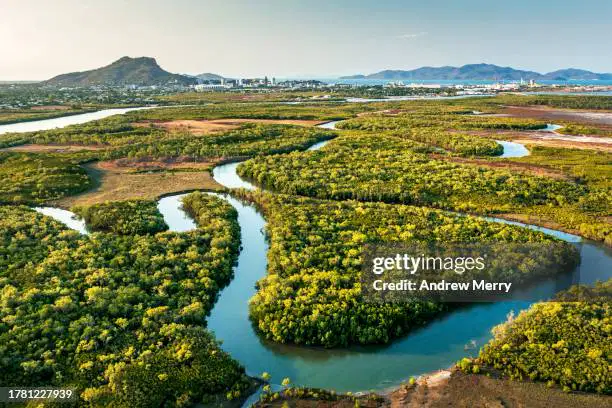
Land covered by water during a flood, where small particles like sand and silt are deposited.

Any remains, trace, or imprint of animal or plant life preserved in Earth’s crust.
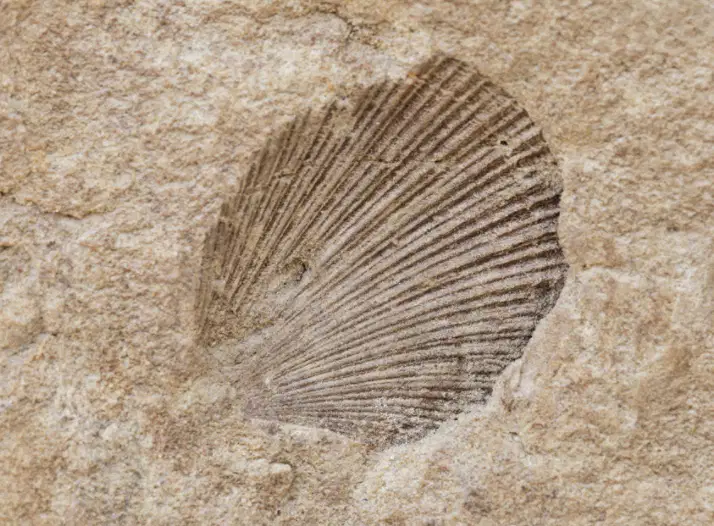
The outline of an organism left in sediment.
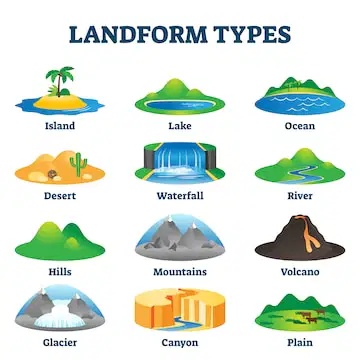
A feature of the land, such as a mountain, canyon, or beach.
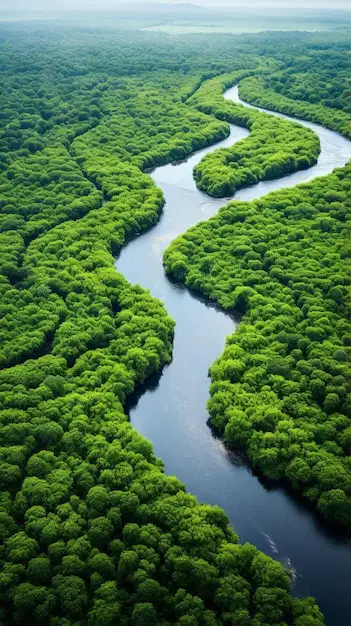
A curve or loop in a river or stream.
A space in the sediments that fills with minerals.
Mold
The process by which an organism is turned to stone over a long period of time.
Petrification
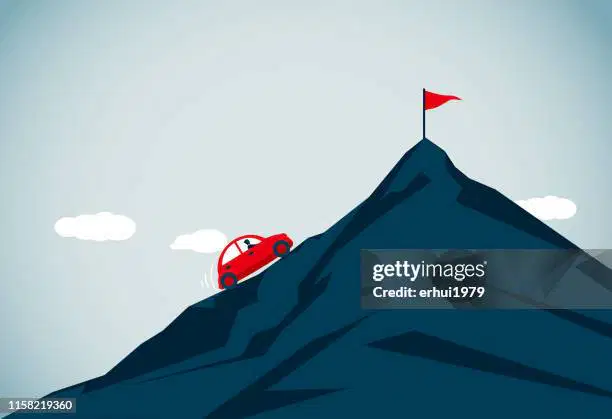
Ground that forms a natural or artificial incline (slant).
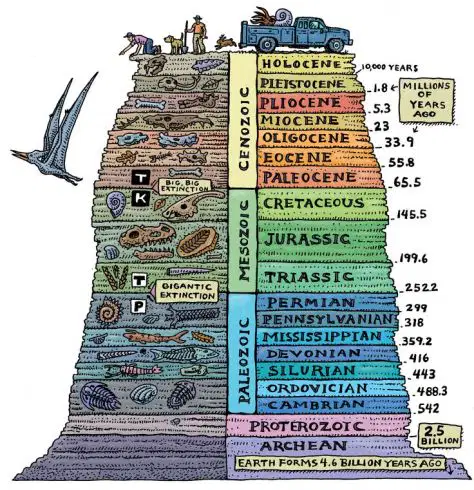
The principle that rock layers and the fossils they contain are arranged in layers, with lower layers being older than higher layers.
Superposition

