
 Worksheets
Intro to Drama Unit 1: History and Basics
Total questions: 25
Worksheet time: 13mins
A combination of proscenium and arena stages, with the audience sitting on two or three sides of the acting area.
(Unit 1 Vocabulary)
Thrust Stage
Proscenium Stage
Arena Stage
Upstage
The stage area TOWARD the audience
(Unit 1 Vocabulary)
House
Downstage
Apron
Upstage
The stage area AWAY from the audience
(Unit 1 Vocabulary)
Downstage
Arena Stage
Upstage
Cross Stage
A piece of writing that tells a story and is performed on stage
(Unit 1 Vocabulary)
Book
Blocking
Focus
Drama
A nervous feeling felt by someone who is going to appear in front of an audience
(Unit 1 Vocabulary)
Stage Fright
Open Out
Constructive Criticism
Convention
The oldest form of Drama is...
(History of Drama I)
Commedia dell'Arte
Storytelling
Greek Chorus
Medieval Miracle Plays
The iconic Drama masks that represent the two sides of theatre were originally from...
(History of Drama I)
The Greek Goddesses Athena and Hera
The Greek Muses Thalia and Melpomene
Greek playwrights Euripides and Sophocles
Renaissance playwrights Shakespeare and Moliere
This person is known as the world's first actor
(History of Drama I)
Chaucer
Shakespeare
Thespis
Moliere
Which is TRUE about Liturgical Dramas?
(History of Drama I)
Began as performances for the gods that included choral chanting or singing
Performed by actors in wagons in the town square
They were divided into three types of plays: Mystery, Miracle, and Morality
Religious stories told by priests to teach a lesson
These plays were based on the lives of the Saints
(History of Drama I)
Miracle
Morality
Mystery
Comedies
Why was Restoration Theatre primarily found in France in 1593?
(History of Drama II)
England was in the middle of a civil war
England had an outbreak of the Black Plague
France had better actors and playwrights then England
The Italian comedy style 'Commedia del'Arte' was more popular in France
He is often regarded as the greatest French playwright
(History of Drama II)
Shakespeare
Chaucer
Moliere
Stanislavski
This type of theatre is a comedy was born in France and is without psychological or moral intentions. It is based on comical situations. In America, it transformed into something a bit more bawdy and contained variety shows
(History of Drama II)
Commedia del'Arte
Vernacular Dramas
Renaissance Theatre
Vaudeville
This Russian actor and director wrote the book, "An Actor Prepares" which has become the basis for many acting teachers
(History of Drama II)
Stanislavski
Moliere
Shakespeare
Thespis
Which answer below is NOT proper Theatre Etiquette
(History of Drama II)
Leaving the audience if you are coughing uncontrollably
Keeping your hat on
Not taking photos
Throwing your trash away
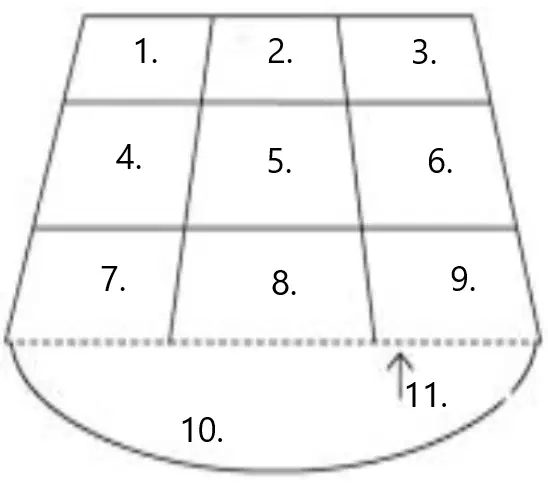
#9. Indicates which Stage Direction?
(Stage Directions)
Downstage Left
Upstage Right
Upstage Left
Downstage Right
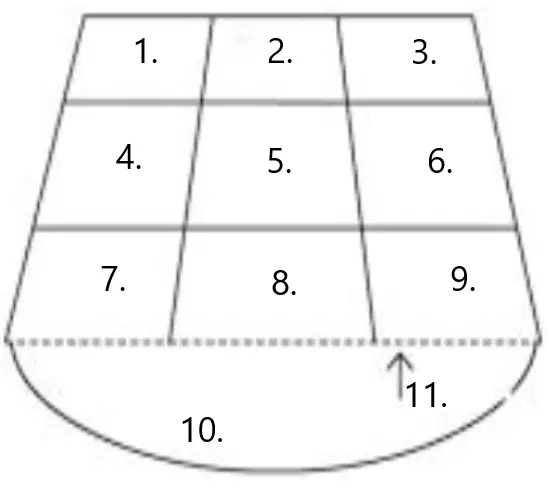
#1. Indicates which Stage Direction?
(Stage Directions)
Center Right
Upstage Right
Center Left
Downstage Left
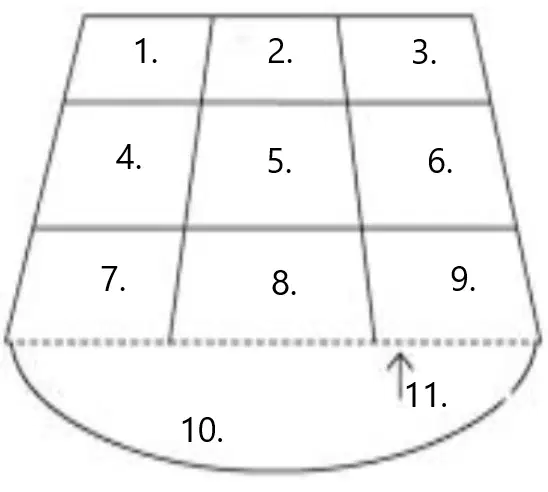
#5. Indicates what stage position?
(Stage Directions)
Upstage Center
Apron
Center Stage
Downstage Center
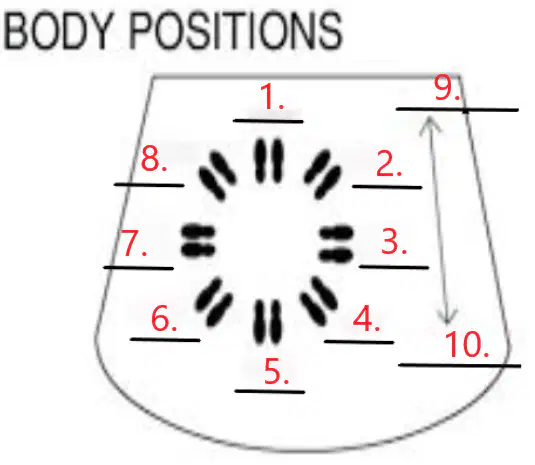
#2. Indicates which Body Position?
(Body Positions)
1/4 Left
3/4 Right
1/4 Right
3/4 Left
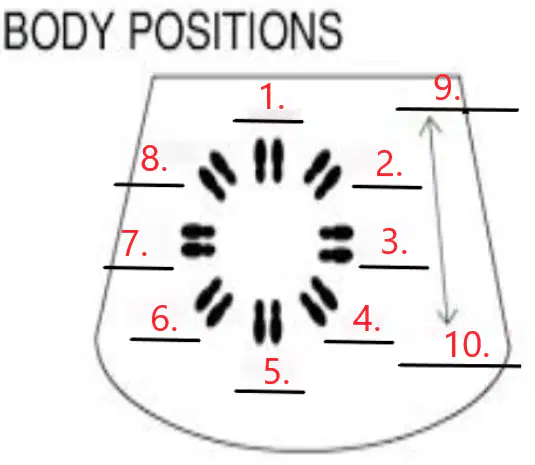
#7. Indicates which Body Position?
(Body Positions)
Profile Right
1/4 Right
Profile Left
1/4 Left
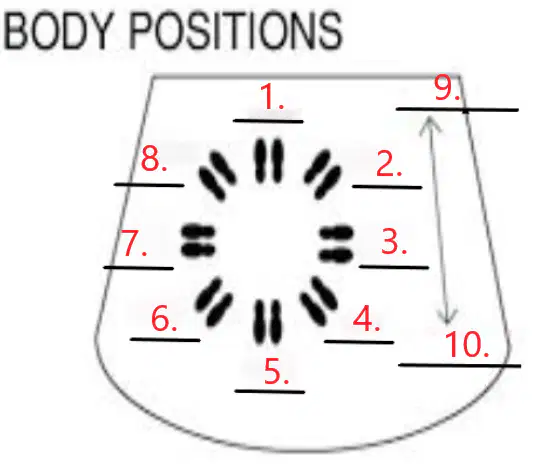
#5. Indicates which Body Position?
(Body Positions)
Upstage
Full Front
3/4 Right
Full Back
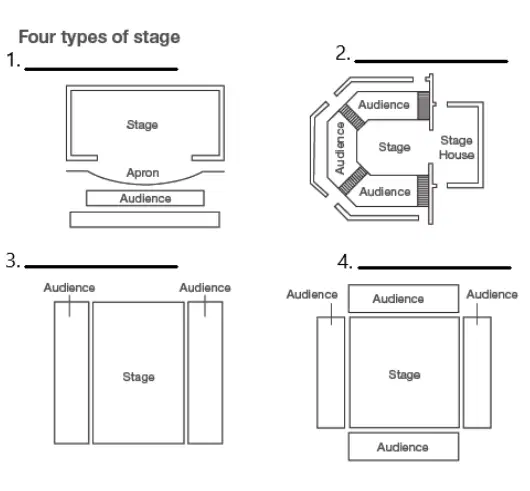
#1 is which type of stage?
(Four Types of Stages)
Proscenium Stage
Thrust Stage
Traverse Stage
In the Round
#2 is which type of stage?
(Four Types of Stages)
Proscenium Stage
Thrust Stage
Traverse Stage
In the Round
#3 is which type of stage?
(Four Types of Stages)
Proscenium Stage
Thrust Stage
Traverse Stage
In the Round
#4 is which type of stage?
(Four Types of Stages)
Proscenium Stage
Thrust Stage
Traverse Stage
In the Round

