
NEW
Font size
 Worksheets
Meteors and Meteorites
Total questions: 15
Worksheet time: 8mins

What is a meteoroid?
A streak of light in the atmosphere
A small rock or particle of debris in space
A fragment that reaches the ground
An icy body that releases gases
Which celestial object is a rocky body smaller than a planet that orbits the Sun?
Comet
Asteroid
Meteor
Meteorite
What is the term for a meteor fragment that reaches the ground?
Comet
Asteroid
Meteor
Meteorite
Which object is known for releasing gases as it orbits the Sun?
Asteroid
Meteor
Comet
Meteorite
What is the streak of light seen when a meteoroid heats up in the atmosphere called?
Comet
Asteroid
Meteor
Meteorite
What is the role of Earth's atmosphere in the appearance of meteors?
It reflects sunlight
It causes meteoroids to burn up
It cools down meteoroids
It deflects meteoroids
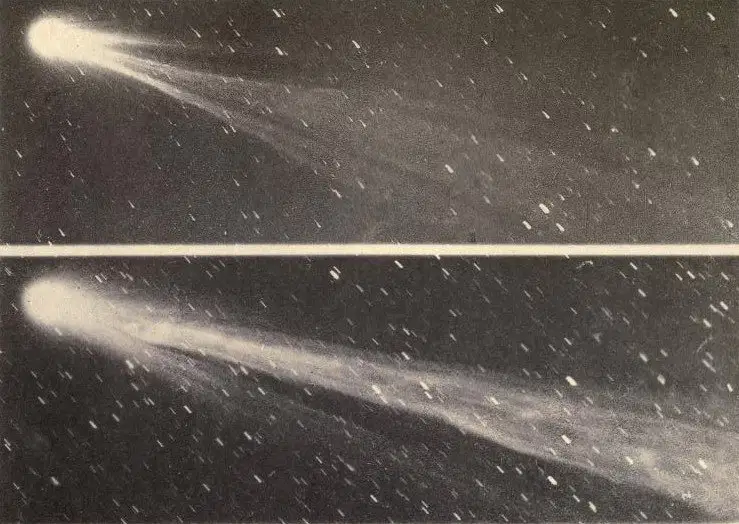
What is the significance of Comet Swift-Tuttle in meteor showers?
It is the source of debris for both Perseids and Leonids
It causes solar flares
It impacts the Earth every year
It is visible only in the Southern Hemisphere
What are stony meteorites primarily made of?
Silicate minerals
Iron and nickel
Metallic iron-nickel
Carbon compounds
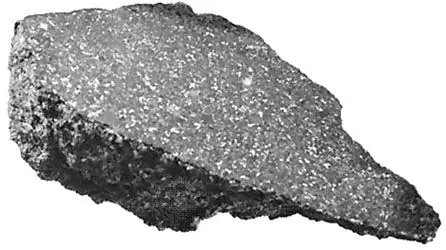
What is the main characteristic of chondrites?
Having chondrules on the surface
No chondrules on the surface
Being smooth and glossy
Having Widmanstatten structure
Where is the Barringer Crater located?
Nevada
Arizona
California
Texas
What typically happens to smaller meteoroids in the atmosphere?
They explode
They disintegrate
They form new stars
They create new planets
What is a common result of larger meteoroid impacts on Earth?
Creation of new life forms
Significant damage
Increase in temperature
Decrease in atmospheric pressure
Meteorites help scientists learn about which part of the solar system?
The current solar system
The early solar system
The future solar system
The outer solar system
What is the significance of the OSIRIS-REx mission?
It provides insights into the early solar system
It explores the outer planets
It studies the Earth's atmosphere
It maps the surface of the Moon
What did the Hayabusa and Hayabusa2 missions deliver back to Earth?
Asteroid samples
Moon rocks
Martian soil
Comet dust

