Wayground logo

Free Printable Worksheets

Font size

S
M
L
XL
Worksheets

Fuels/Energy

Total questions: 35

Worksheet time: 39mins

Name
Class
Date
1.

What kind of energy is represented in the picture?

a)

Thermal

b)

Chemical

c)

Electrical

d)

Radiant

2.
The ability to do work is
a)
power
b)
energy
c)
thermal
d)
kinetic
3.
Heat energy is also called
a)
electrical energy
b)
chemical energy
c)
light energy
d)
thermal energy
4.
Energy that an object has because of its position. Stored energy.
a)
Kinetic energy
b)
Potential energy
5.
Energy of motion. Moving energy.
a)
Potential Energy
b)
Kinetic Energy
6.

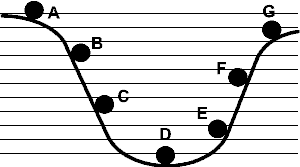
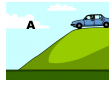
At which point does the ball has the greatest gravitational potential energy (GPE)?

a)

A

b)

G

c)

D

d)

C

e)

G

7.
The faster an object moves, the ________ kinetic energy it has. 
a)
more
b)
less
c)
none of the above
d)
all of the above 
8.
According to the Law of Conservation of Energy, energy cannot be _________ or ____________. 
a)
destroyed, destroyed
b)
created, saved
c)
created, destroyed
d)
lost, found
9.
Turning on a lamp is an example of energy transformation from electrical to 3 forms of energy. Which of these is NOT created by the lamp?
a)
radiant
b)
light
c)
heat
d)
chemical
10.
What type of energy is being produced when a dam is placed across a river and water is released to turn a turbine that produces electricity?
a)
Wind
b)
Geothermal
c)
Hydroelectric 
d)
Solar
11.

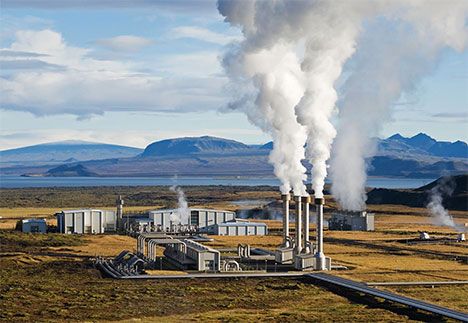
What is geothermal energy?

a)

Geothermal energy is the energy generated from the sun.

b)

Geothermal energy is the energy produced by wind turbines.

c)

Geothermal energy is the energy obtained from burning fossil fuels.

d)

Geothermal energy is the heat from the Earth.

12.

What are the advantages of geothermal energy?

a)

Renewable, low emissions, small land footprint, reliable

b)

Limited availability, high emissions, large land footprint, unreliable

c)

Expensive, high emissions, large land footprint, unreliable

d)

Non-renewable, high emissions, large land footprint, unreliable

13.

An energy resource that is only available in a limited amount.

a)

waste energy

b)

renewable energy

c)

nonrenewable energy

d)

potential energy

14.

___________________ are fuels made from the remains of ancient organisms.

a)

fossil fuels

b)

waste energy

c)

renewable energy

d)

nuclear energy

15.

How long does it take for fossil fuels to form?

a)

A few weeks

b)

A year

c)

A hundred years

d)

Millions of years

16.
What are the 3 main fossil fuels?
a)
Coal, Oil, and Gasoline
b)
Coal, Oil, and Natural Gas
c)
Electricity, Gasoline, Petroleum
d)
Coal, Oil, Non-renewable Resources
17.

The Law of Conservation of Energy states:

a)

Energy can created or destroyed but not transformed

b)

Energy cannot be created or destroyed, it can only transformed from one form to another form

c)

Energy can't be created, destroyed or transformed

d)

All the above

18.
When you plug in an iron, electrical energy is transformed into ______ energy
a)
sound
b)
mechanical
c)
thermal (heat)
d)
radiant
19.

When you compress a spring, you are storing __________ energy.

a)

sound

b)

elastic

c)

light

d)

chemical

20.

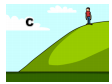
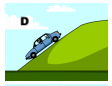
The formula for calculating the gravitational potential energy in an object is shown above. Which object will have the largest value for its GPE
a)
b)
c)
d)
21.

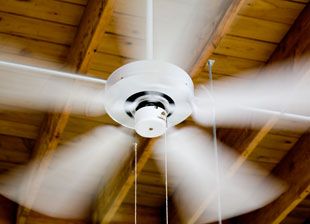
What is the energy conversion when you plug in a fan?

a)

potential to kinetic

b)

potential to heat

c)

heat to electrical

d)

electrical to kinetic

22.

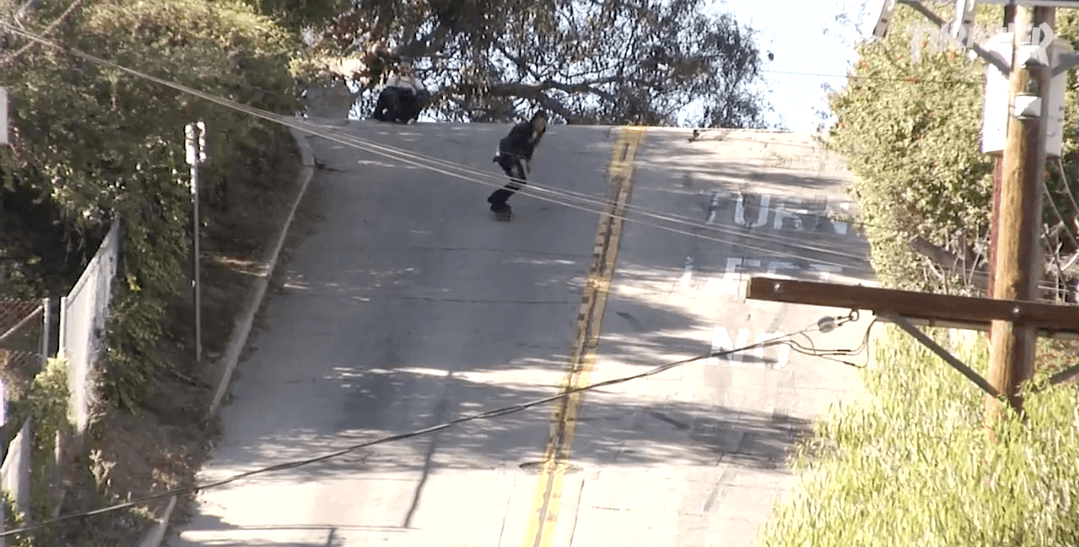
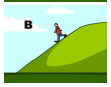
What is the energy conversion when you have a skateboard at the top of the hill then move down?

a)

kinetic to potential

b)

potential to kinetic

c)

potential to thermal

23.

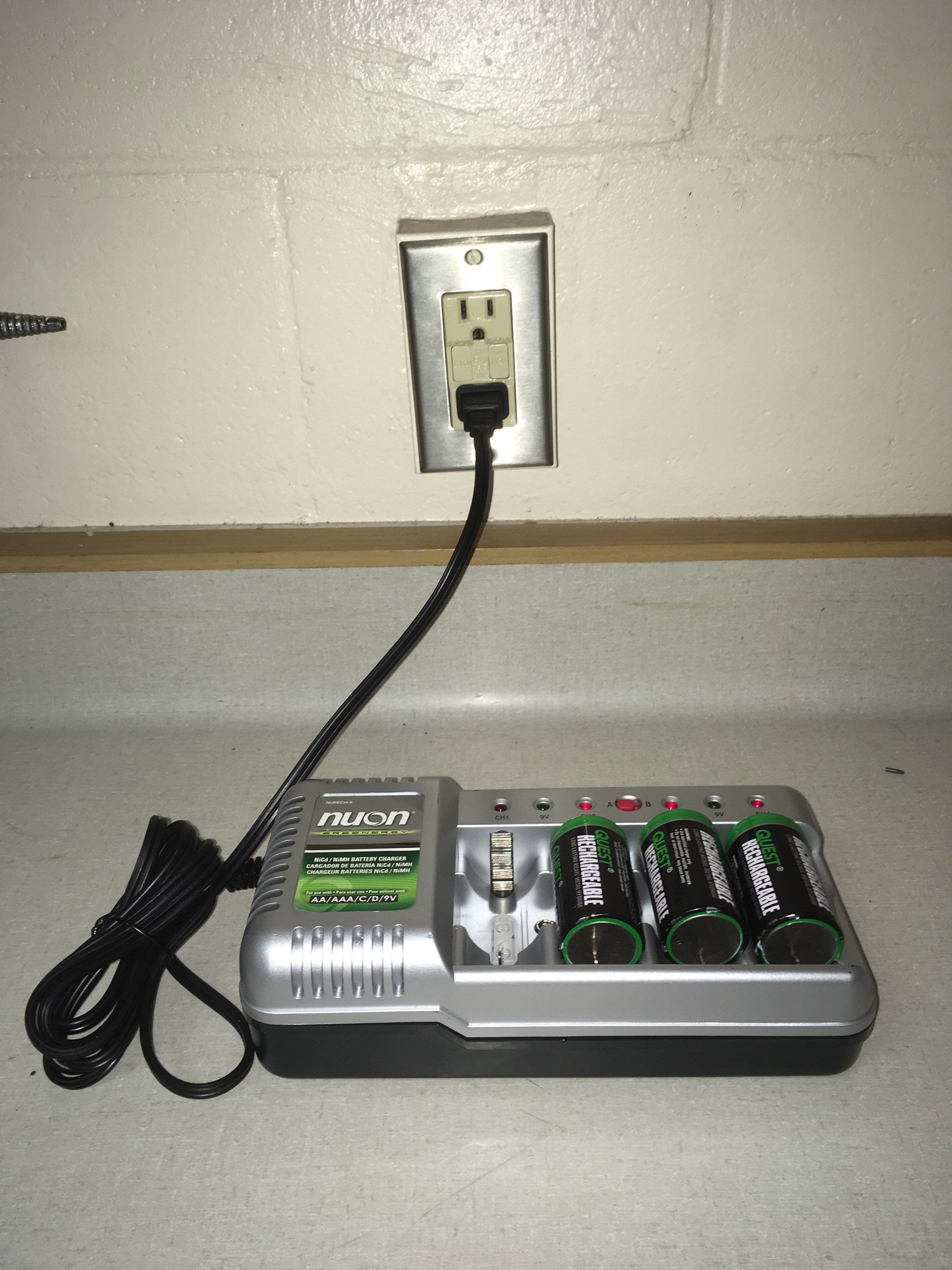
What is the energy conversion when you plug in a charger to charge a battery?

a)

electrical to light

b)

kinetic to potential

c)

electrical to chemical

24.
When a pendulum swings, at which point is the Kinetic Energy at its Max?
a)
1
b)
2
c)
3
d)
4
25.
How are electromagnetic waves different from other waves? 
a)
They have very short wavelengths 
b)
They transmit energy instead of matter 
c)
They can travel through empty space
d)
They can change direction by reflection 
26.

Renewable energy resources produce less_____________ than fossil fuels.

a)

pollution

b)

energy

c)

wind

d)

light

27.
Energy produced by burning organic matter such as wood, food scraps, and animal matter is called______________ energy.
a)
Biomass
b)
Thermal energy
c)
Solar
d)
Wind
28.
Heat transferred from beneath the surface of Earth and used to produce energy for human use is...
a)
Hydropower
b)
Wind Energy
c)
Geothermal Energy
d)
Solar Energy
29.
What characteristic do all renewable resources share?
a)
Produced by waste products
b)
Form underground from dead organisms.
c)
Replaced in a short period of time
d)
Allow energy to pass through them easily
30.

Solar Energy is created by what?

a)

Moon

b)

Sun

c)

Wind

d)

Water

31.

What types of energy are being shown here?

a)

light and sound

b)

sound and mechanical

c)

mechanical and light

d)

nuclear and sound

32.

The two main categories of energy include:

a)

electrical and radiant

b)

kinetic and potential

c)

sound and chemical

d)

nuclear and electrical

33.

______ energy is the energy of electromagnetic waves, also referred to as solar or light energy.

a)

Chemical

b)

Nuclear

c)

Thermal

d)

Radiant

34.
What unit is Energy measured in?
a)
Newtons 
b)
Joules 
c)
Grams 
d)
Volts
35.

Out of the choices below, which form of energy makes the most pollution?

a)

Hydroelectric

b)

Geothermal

c)

Fossil Fuels

d)

Wind Turbine