
 Worksheets
DT. 5th grade
Total questions: 10
Worksheet time: 10mins
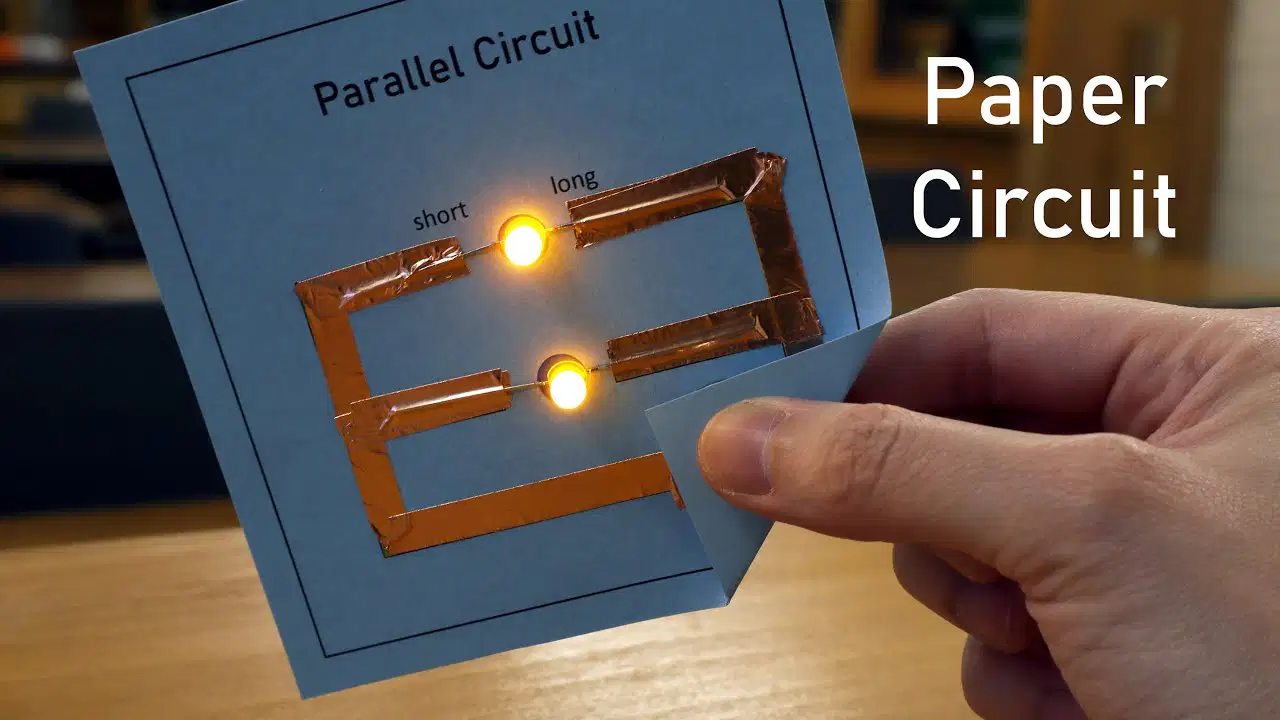
In a science class, the teacher explains how an electric circuit works using a battery, wires, and a light bulb. The flow of electricity through the wires allows the light bulb to turn on. The circuit is completed when the flow of electricity passes from the battery to the light bulb and back to the battery. This flow moves in a closed path. What is the name of the electricity that flows through a closed circuit?
Current
Energy
Resistance
Charge
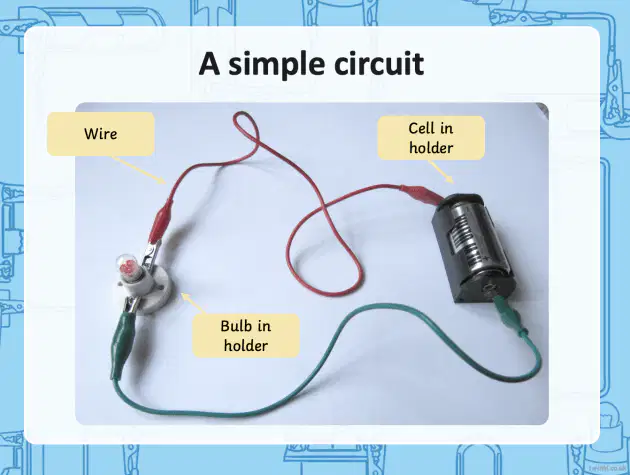
In a lab activity, a student connects a battery to a lamp using wires, and when the switch is closed, the light turns on. The circuit is closed and allows the electricity to flow through it, making the lamp light up. What is the name of the electricity that flows through a closed path?
Circuit
Current
Energy
Flow

A child is assembling a circuit at home. They have a battery, wires, and a lamp. When they connect everything, they realize the lamp does not turn on. The child notices that the switch is in the "open" position. The circuit is only completed when the switch is closed, allowing the flow of electricity. What must the switch do to complete the circuit?
Fall
Open
Close
Reverse
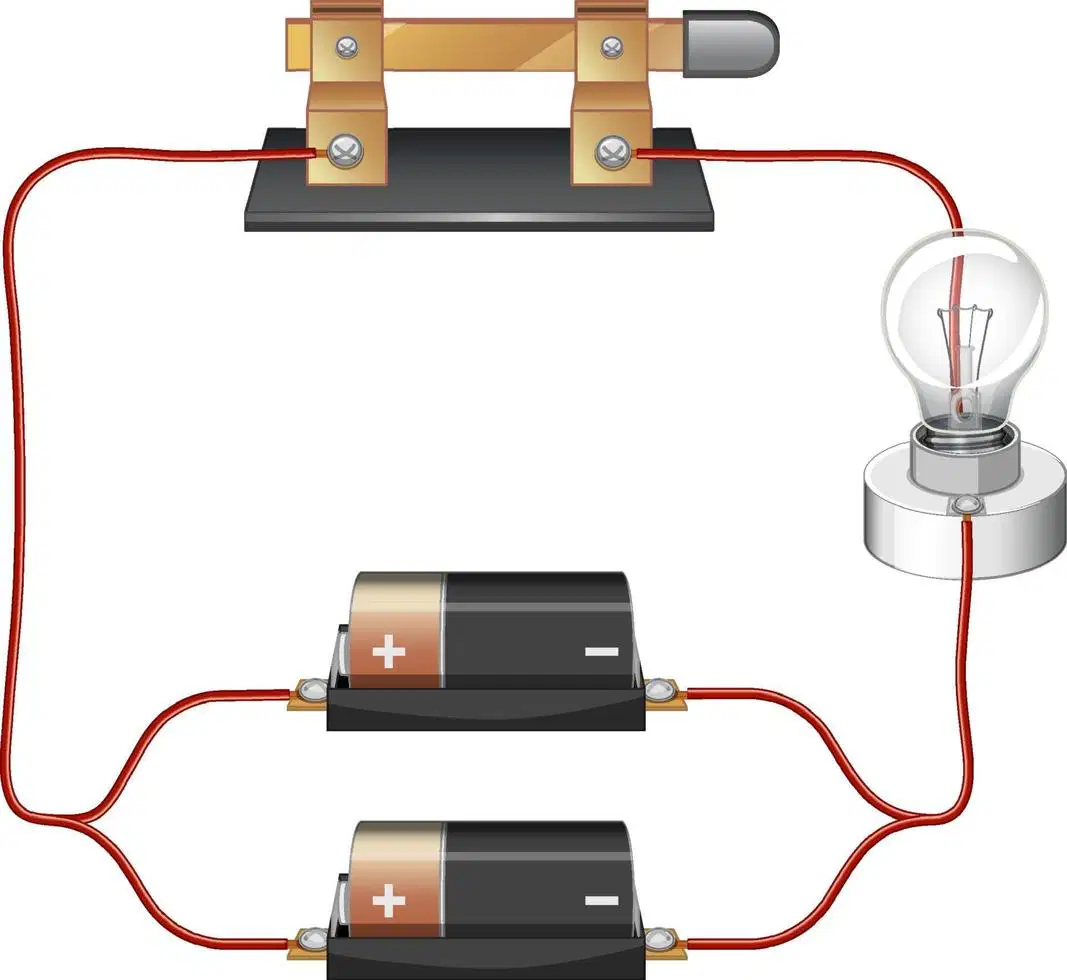
During a class activity, the teacher connects two batteries in series to a lamp to compare its brightness with that of a single battery. The teacher asks the students to observe how the intensity of the light changes when more batteries are added to the circuit. If you connect two batteries instead of one, what happens to the light of the lamp?
Turns off
Becomes brighter
Does not change
Flickers
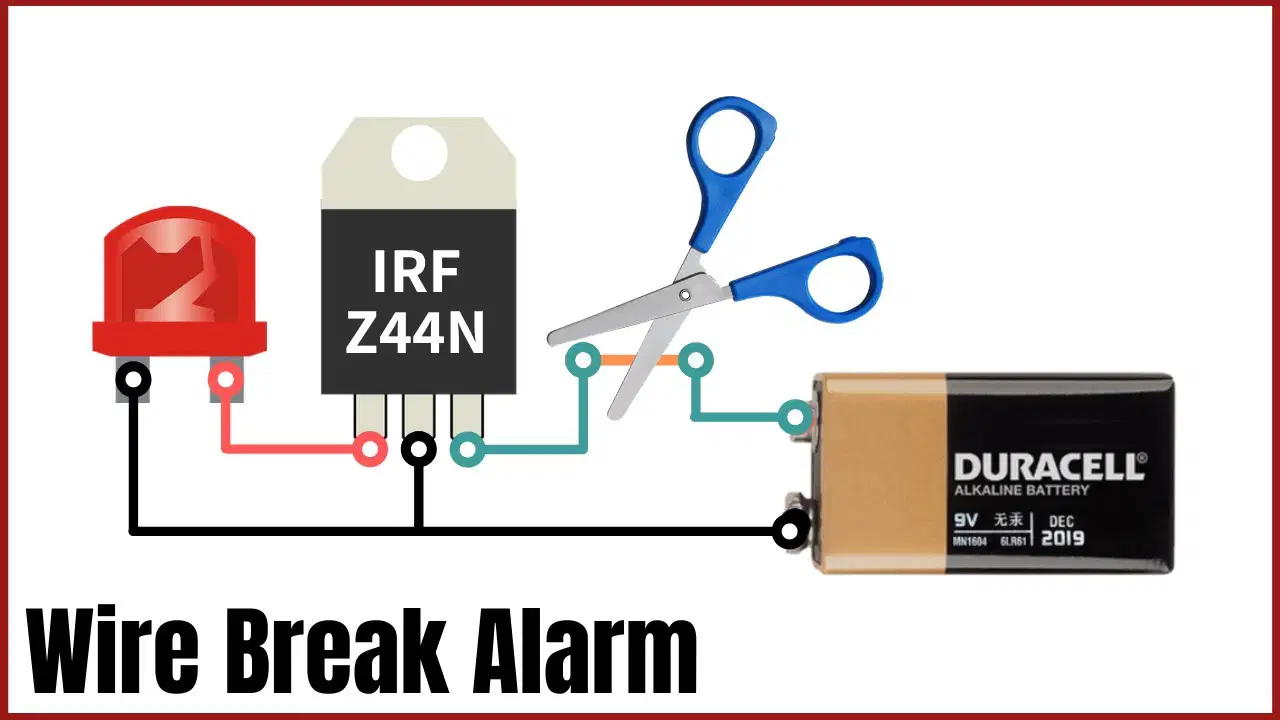
A student is checking a circuit at home. The lamp is off, but they know the battery has enough charge. The student checks that the wire is broken. If the lights are off, and the wires are broken what is the status of the circuit?
Closed
Open
Broken
Connected
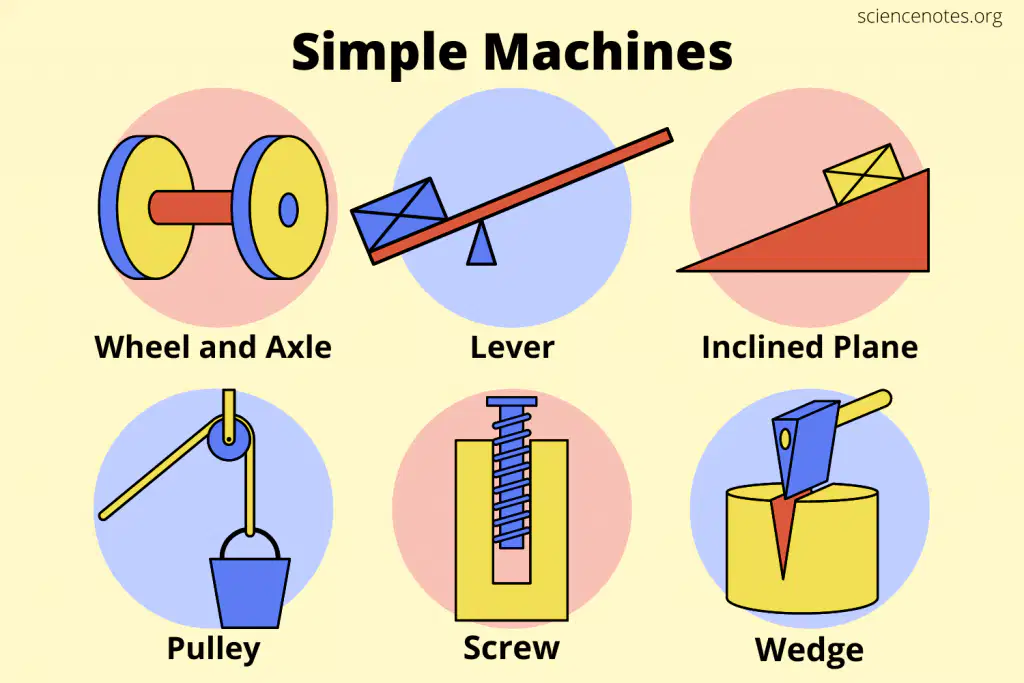
During a technology class, the teacher introduces several types of machines. They explain that simple machines are those that help perform tasks with less effort. The teacher shows examples such as a lever, pulley, and ramp, explaining how they make work easier. What is a simple machine?
A device that helps lift or move objects
A machine that combines multiple parts
A machine requiring complex systems
A tool that increases the amount of work needed
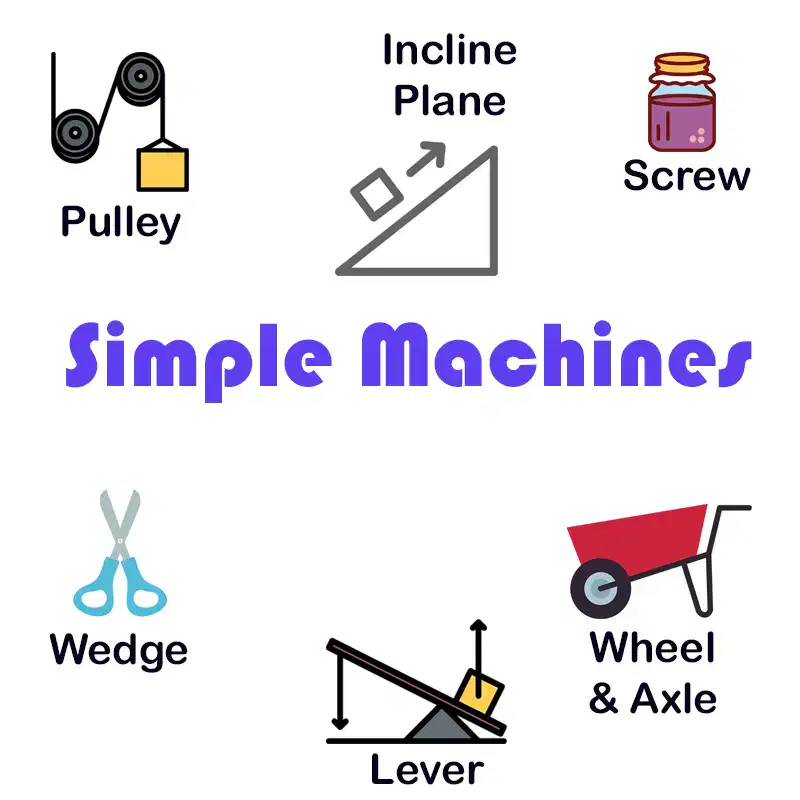
In a science activity, students are learning about different simple machines. The teacher shows them examples of how to use these machines to make work easier. The students see how levers, pulleys, and ramps are used to lift or move heavy objects more easily. What are simple machines used for?
To reduce the time needed to complete a task
To increase the force needed to move an object
To change the direction in which force is applied
To make complex tasks easier without increasing efficiency
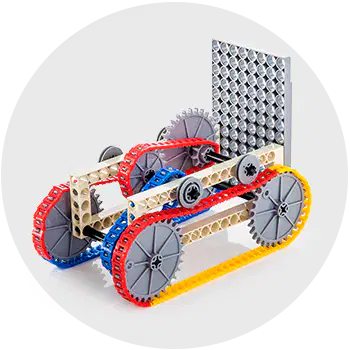
An engineer is explaining how complex machines are used in the industry. These machines have many components that work together to perform difficult tasks. Students watch how a complex machine, such as a crane, is used to lift large loads in construction. What are complex machines used for?
To perform specialized tasks that cannot be done with simple machines
To do precision work with low energy consumption
To perform tasks that require the combination of multiple movements simultaneously
To simplify processes without altering the outcome of the work
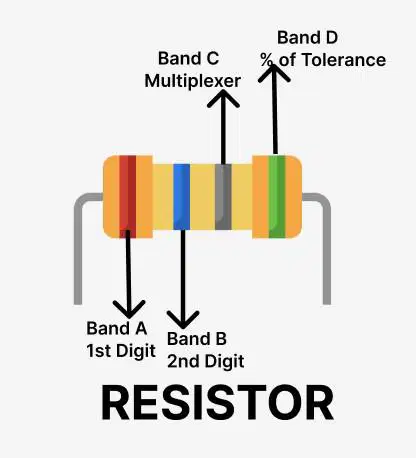
During a physics class, the teacher explains the function of various components in an electric circuit. The teacher highlights that a resistor is used to limit the flow of electric current, allowing for better control of how much current flows to other components. What is the role of a resistor in a circuit?
To increase current
To store energy
To limit current
To create light

In a science demonstration, the teacher rubs a balloon on their hair and shows how the balloon can stick to a wall. The students learn that this phenomenon is due to static electricity, which is the buildup of electric charge on the surface of objects. What is static electricity?
Electricity that flows in a circuit
A buildup of electric charge
Electricity generated by batteries
A form of energy used in machines

