wayground logo

Free Printable Worksheets

Font size

S
M
L
XL
Worksheets

𝘾𝙝 3 𝘼𝙨𝙨𝙚𝙨𝙨𝙢𝙚𝙣𝙩 𝙌𝙪𝙞𝙯

Total questions: 63

Worksheet time: 35mins

Name
Class
Date
1.
Persecute
a)
cause a person to suffer because of his or her beliefs
b)
the body of people, such as priests, who perform the sacred functions of a church
c)
a community of monks
d)
journey to a holy site
e)
solemn rite of Christian churches
2.
Monastery
a)
a community of monks
b)
the body of people, such as priests, who perform the sacred functions of a church
c)
journey to a holy site
d)
solemn rite of Christian churches
e)
to formally deprive a person of membership in a church
3.
Monk
a)
man who has taken a solemn vow to devote his life to prayer and service in a monastery
b)
the body of people, such as priests, who perform the sacred functions of a church
c)
a community of monks
d)
journey to a holy site
e)
solemn rite of Christian churches
4.
Clergy
a)
the body of people, such as priests, who perform the sacred functions of a church
b)
a community of monks
c)
journey to a holy site
d)
solemn rite of Christian churches
e)
to formally deprive a person of membership in a church
5.
Excommunicate
a)
to formally deprive a person of membership in a church
b)
the body of people, such as priests, who perform the sacred functions of a church
c)
a community of monks
d)
journey to a holy site
e)
solemn rite of Christian churches
6.
Sacrament
a)
solemn rite of Christian churches
b)
the body of people, such as priests, who perform the sacred functions of a church
c)
a community of monks
d)
journey to a holy site
e)
to formally deprive a person of membership in a church
7.
Pilgrimage
a)
journey to a holy site
b)
the body of people, such as priests, who perform the sacred functions of a church
c)
a community of monks
d)
solemn rite of Christian churches
e)
to formally deprive a person of membership in a church
8.
Convent
a)
community of nuns; also called a nunnery
b)
the body of people, such as priests, who perform the sacred functions of a church
c)
a community of monks
d)
journey to a holy site
e)
solemn rite of Christian churches
9.
Nun
a)
woman who has taken a sacred vow to devote her life to prayer and service to the church
b)
the body of people, such as priests, who perform the sacred functions of a church
c)
a community of monks
d)
journey to a holy site
e)
solemn rite of Christian churches
10.
10. University
a)
school of advanced learning
b)
object considered holy because it belonged to, or was touched by, a saint or other holy person
c)
brotherhood or sisterhood of monks, nuns, or friars
d)
member of a certain reli-gious order devoted to teaching and works of charity
e)
handwritten book decorated with bright colors and precious metals
11.
11. Rhetoric
a)
study of persuasive writing and speaking
b)
object considered holy because it belonged to, or was touched by, a saint or other holy person
c)
brotherhood or sisterhood of monks, nuns, or friars
d)
member of a certain reli-gious order devoted to teaching and works of charity
e)
handwritten book decorated with bright colors and precious metals
12.
12. Theology
a)
study of God and religious truth
b)
object considered holy because it belonged to, or was touched by, a saint or other holy person
c)
brotherhood or sisterhood of monks, nuns, or friars
d)
member of a certain reli-gious order devoted to teaching and works of charity
e)
handwritten book decorated with bright colors and precious metals
13.
13. Natural law
a)
concept that there is a universal order built into nature that can guide moral thinking
b)
object considered holy because it belonged to, or was touched by, a saint or other holy person
c)
brotherhood or sisterhood of monks, nuns, or friars
d)
member of a certain reli-gious order devoted to teaching and works of charity
e)
handwritten book decorated with bright colors and precious metals
14.
14. Monasticism
a)
a way of life in which men and women withdraw from the rest of the world in order to devote themselves to their faith
b)
object considered holy because it belonged to, or was touched by, a saint or other holy person
c)
brotherhood or sisterhood of monks, nuns, or friars
d)
member of a certain reli-gious order devoted to teaching and works of charity
e)
handwritten book decorated with bright colors and precious metals
15.
15. Illuminated manuscript
a)
handwritten book decorated with bright colors and precious metals
b)
object considered holy because it belonged to, or was touched by, a saint or other holy person
c)
brotherhood or sisterhood of monks, nuns, or friars
d)
member of a certain reli-gious order devoted to teaching and works of charity
e)
a way of life in which men and women withdraw from the rest of the world in order to devote themselves to their faith
16.
16. Religious order
a)
brotherhood or sisterhood of monks, nuns, or friars
b)
object considered holy because it belonged to, or was touched by, a saint or other holy person
c)
member of a certain reli-gious order devoted to teaching and works of charity
d)
handwritten book decorated with bright colors and precious metals
e)
a way of life in which men and women withdraw from the rest of the world in order to devote themselves to their faith
17.
17. Friar
a)
member of a certain reli-gious order devoted to teaching and works of charity
b)
object considered holy because it belonged to, or was touched by, a saint or other holy person
c)
brotherhood or sisterhood of monks, nuns, or friars
d)
handwritten book decorated with bright colors and precious metals
e)
a way of life in which men and women withdraw from the rest of the world in order to devote themselves to their faith
18.
18. relic
a)
object considered holy because it belonged to, or was touched by, a saint or other holy person
b)
brotherhood or sisterhood of monks, nuns, or friars
c)
member of a certain reli-gious order devoted to teaching and works of charity
d)
handwritten book decorated with bright colors and precious metals
e)
a way of life in which men and women withdraw from the rest of the world in order to devote themselves to their faith
19.
What do historians sometimes call the “Middle Ages?”
a)
Renaissance
b)
Age of Exploration
c)
Age of Faith
d)
New Rome
20.
What was the name of the church that all Christians during the Middle Ages belonged to?
a)
Eastern Orthodox Church
b)
Roman Catholic Church
c)
Orthodox Judaism Church
d)
Church of England
21.
In the __________ system, people pledged loyalty to a king.
a)
Roman
b)
Feudal
c)
Caste
d)
Social
22.
What was the official language of the church?
a)
English
b)
French
c)
Greek
d)
Latin
23.
Who wrote the Canterbury Tales?
a)
William Shakespeare
b)
Geoffrey Chaucer
c)
Leonardo da Vinci
d)
Michelangelo
24.
How long did it take on average to build a cathedral?
a)
1,000 years
b)
50 - 100 years sometimes 200
c)
5 - 10 years
d)
500 years
e)
All of the above
25.
What did they build on top of the Cathedrals to warn people that evil spirits would catch them if they did not obey the Church?
a)
Guerrillas
b)
Hunchback of Notre Dame
c)
Barbarians
d)
Gargoyles
26.
The ___________ were military expeditions to the land where Jesus had lived, which Christians called the Holy Land
a)
crusades
b)
100 Years' War
c)
Jihad
d)
Holy Land March
27.
What were the tallest buildings in towns during the Middle Ages?
a)
Castles
b)
Palaces
c)
Mosques
d)
Cathedrals
28.
Who were the only people during the Middle Ages who could read or were literate?
a)
Church Officials
b)
Nobles and their families
c)
Monarchs - Kings and Queens
d)
All people were literate.
29.
Which sacrament is a blessing of a person in danger of death?
a)
Marriage
b)
Holy Orders
c)
Penance
d)
Extreme Unction
30.
By the year 1050, who was the largest landholder in Europe?
a)
Monarchs - Kings and Queens
b)
Roman Catholic Church
c)
Knights and Lords
d)
Normans
31.
Name the two greatest medieval holidays.
a)
Christmas and St. Patrick's Day
b)
Christmas and Valentine's Day
c)
Easter and St. Patrick's Day
d)
Christmas and Easter
32.
How many church services did monks attend every day?
a)
7
b)
3
c)
1
d)
5
e)
None of the above
33.
What did people NOT do to celebrate the medieval holidays?
a)
Bonfires
b)
Music
c)
Dancing Bears
d)
Pray and fast (go without eating)
e)
Jugglers
34.
Who was born to a wealthy Italian family but gave up his money to serve the poor?
a)
Thomas Aquinas
b)
Geoffrey Chaucer
c)
Saint Francis of Assisi
d)
Sir Thomas Beckett
e)
Pope Gregory IV
35.
The medieval church added to its wealth by collecting a tax. Each person was expected to give one tenth of his money, produce, or labor to help support the church. What is this called?
a)
sacrament
b)
tithe
c)
excommunicate
d)
serf
e)
alms giving
36.
Community life in western Europe during the Middle Ages centered on
a)
the school.
b)
the theater.
c)
the church.
d)
the town hall.
e)
the manor
37.
Which of the following is a main reason why the clergy were recorders and advisers to kings?
a)
A. They could read and write.
b)
B. They were honest and wise.
c)
C. They owned most of the land.
d)
D. They made all the people obey.
38.
Which of these is a sacrament in the Roman Catholic Church?
a)
A. birthday
b)
B. marriage (matrimony)
c)
C. graduation
d)
D. pilgrimage
e)
excommunicate
39.
Which of the following describes the plot of the "Canterbury Tales"?
a)
A. The Holy Roman emperor apologizes to the pope.
b)
B. St. Francis starts the Franciscan order.
c)
C. A group of people goes on a religious pilgrimage.
d)
D. A group of knights goes on a quest for lost treasure.
40.
What was a main goal of the Crusades?
a)
A. to teach Christians how to read
b)
B. to set up monasteries in Germany
c)
C. to take Jerusalem from the Muslims
d)
D. to spread Christianity to the Byzantines
e)
all of the above
41.
Most Gothic cathedrals had all these features EXCEPT
a)
A. stained-glass windows.
b)
B. broad ditches called moats.
c)
C. arches called flying buttresses.
d)
D. roof sculptures called gargoyles.
42.
The Church gained economic power by
a)
A. collecting taxes.
b)
B. taking some land by force.
c)
C. receiving gifts of land from the wealthy.
d)
D. all of the above
43.
To formally deprive a person of membership in a church:
a)
excommunicate
b)
Monasticism
c)
clergy
d)
persecute
e)
Natural law
44.
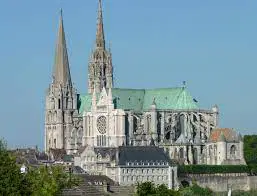
This is a picture of a large and important church which is called a ____________________.
a)
Cathedral
b)
Castle
c)
Moat
d)
Chapel
e)
synagogue
45.
The _____________ on Gothic cathedrals were often carved in the shape of hideous beasts.
a)
gargoyles
b)
relic
c)
flying buttress
d)
moat
e)
gothics
46.
Name the supreme leader of the Roman Catholic Church.
a)
Nun
b)
Pope
c)
Knights
d)
King
e)
Crusaders
47.
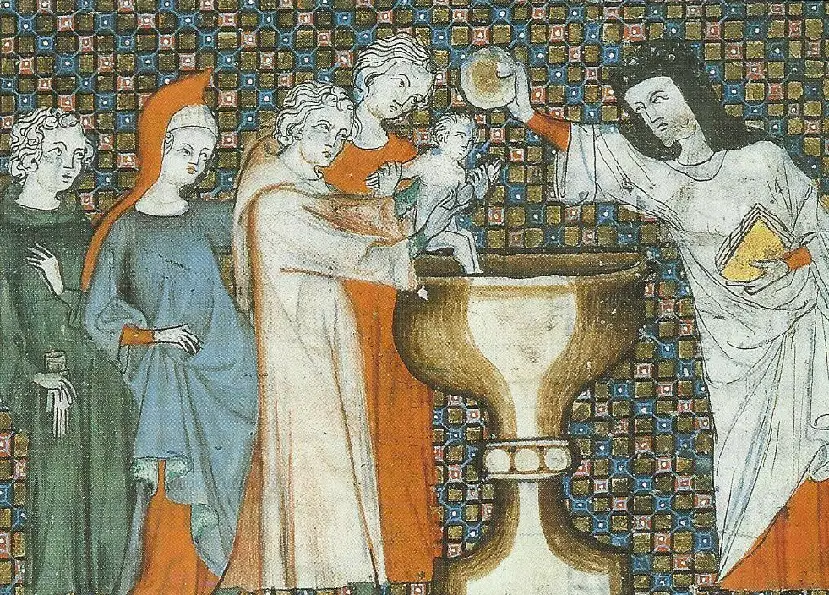
The sacrament of ___________________ welcomes a child into the church. It is the first important sacrament of a Christian's life.
a)
Confirmation
b)
Eucharist
c)
Penance
d)
Extreme Unction
e)
None of the above
48.
Thomas Aquinas, an Italian scholar of philosophy and _____________, tried to bridge the gap between reason and faith.
a)
anthropology
b)
biology
c)
theology
d)
archeology
e)
clergy
49.
________________ lived a simple life with great respect for all living things. Here he is shown preaching to the birds.
a)
Saint Thomas Aquinas
b)
Sir Thomas Becket
c)
Saint Francis of Assisi
d)
Saint Joan of arc
e)
Pope Gregory IV
50.
The new bizarre haircut was named the ______________ and was worn by almost every Catholic monks in Europe in medieval times.
a)
Bowl Cut
b)
Crew Cut
c)
Tonsure
d)
Tenure
e)
Soft Curved Bob
51.

The current Pope is Pope _______  He does not have the power like the Popes of the Middle Ages had.


a)

Charles

b)

Francis

c)

Leo

d)

Gregory

52.

What is the modern equivalent of the word "hoist"?

a)

push

b)

lift

c)

drop

d)

break

53.

Guess the country

(a)  

54.

What has to be broken before you can use it?


Answer = An (a)  

55.

Answer =

(a)  

56.

What does "gorgonize" mean?

a)

eat with pleasure

b)

cheer with joy

c)

dance with energy

d)

stun with fear

57.

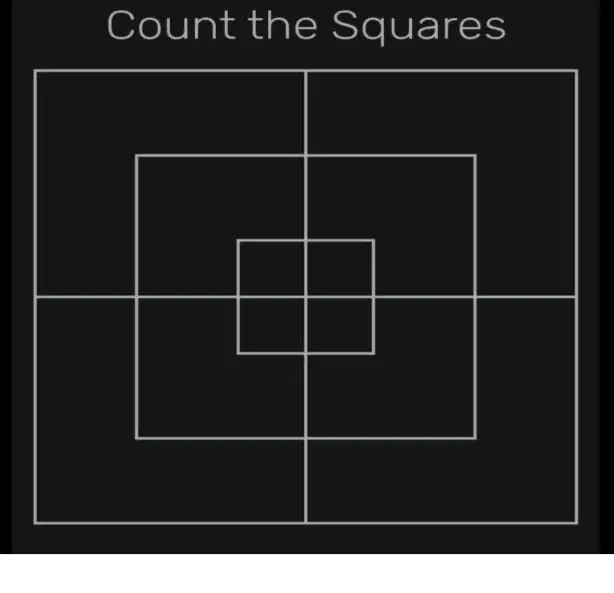
How many squares? (a)  

58.

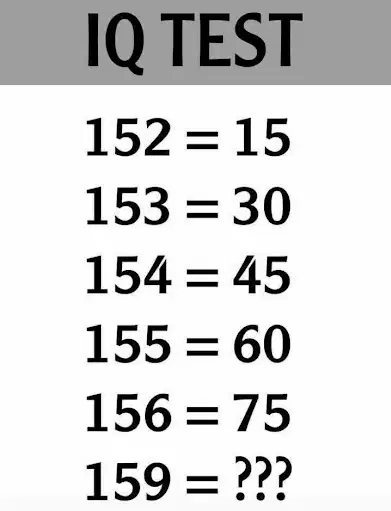
What is the answer?

(a)  

59.

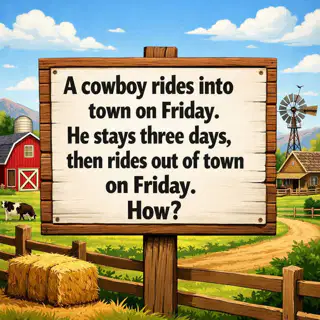
The answer to that riddle is the name of his horse.

What is the name of his horse?

(a)  
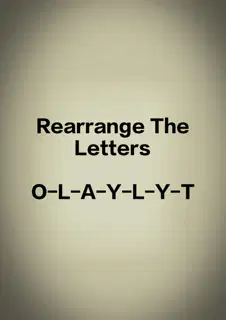
60.


(a)  

61.

What has to be broken before you can use it?

a)

orange

b)

apple

c)

egg

d)

jolly rancher

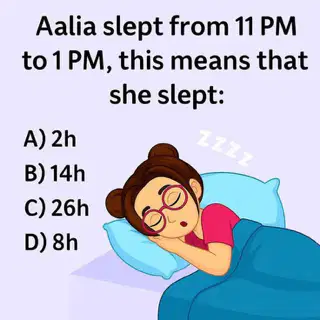
62.
a)

2h

b)

14h

c)

26h

d)

8h

63.

This Great Seal of the United States is featured on the?

a)

20$ bill

b)

5$ bill

c)

1$ bill

d)

penny