
 Worksheets
Performing Live Term 2 quiz
Total questions: 23
Worksheet time: 15mins
What do 'dynamics' mean in music?
The tempo of the music
The tonality of the music
The rhythm of the music
How loud/quiet the music is
Why do we use dynamics?
To show off
To add 'feel' to musical phrases
To make the music boring
What description best fits 'Piano'?
P - Soft
P - Loud
P - Very loud
P - Very Soft
Which answer describes 'Forte'?
F - Loud
F - Quiet
F - Very Loud
F - Very soft
Which answer best describes 'Fortissimo'?
FF - Inaudible
FF - Very soft
FF - Very loud
FF - Soft
Which answer best describes 'Pianissimo'?
PP - nah
PP - Very soft
PP - Very loud
PP - Soft
Which answer best describes 'Mezzo Forte'?
MF - Moderately fragile
MF - Moderately quiet
MF - Moderately Funny
MF - Moderately loud
Which answer best describes 'Mezzo Piano'?
MP - Moderately quiet
MP - Moderately moderate
MP - Moderately loud
MP - Mana Points

TRUE OR FALSE:
A crescendo is a gradual decrease in volume.
True
False
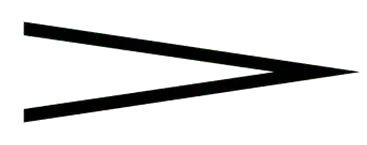
TRUE OR FALSE:
A decrescendo is a gradual decrease in volume.
True
False
What does arranging music mean?
How all notes in a scale fit together
How all of the different instruments and elements fit together.
What is the most common interval used for harmony in backing vocals?
2nd
3rd
7th
4th
What is Chord Voicing?
How the chord sounds on different instruments
How the notes of a chord are arranged or spaced out
How a chord can be sung
Which of the following is the most typical pop song structure?
A-B-A-B-C-B
A-B-C-D
A-A-A-A
A-B-A-A-B
The first stage of improvising is...
Not showing up to the gig
Playing by ear
Only playing learned material
The second stage of improvising is...
Reinforced with theory, scales etc
Still only playing by ear
Showing off (guitar behind head etc)
How can you develop a musical palette for improvising?
Listening to music that has no relevance to you
Making it up only from what is in your head
Only listening to one song and using that
Listening to the type of music you wish to play
What are the 4 key musical elements? (multiple choice)
Pitch
Equipment
Rhythm
Timbre
Dynamics
In 4/4 time, which beat is the down beat?
1
2
3
4
Which 3 options do you have when playing around the downbeat?
Before the downbeat
On the downbeat
After the downbeat
Don't bother at all
Why do dynamics matter in phrasing?
They don't do much
They add expression and depth to the music
To make the volume the same throughout
Why is phrasing and improvising similar to speaking?
Variation in timing, pitch, dynamics, and rests are similar
They aren't really similar
Speaking can involve doing so in a room full of people
How would you describe your learning in this term (after Christmas) so far?
Are you happy with your progress?
Is there anything that hasn't been covered that you'd like to learn about?

