
NEW
Font size
 Worksheets
Mollusk Quiz
Total questions: 10
Worksheet time: 3hrs 30mins

A Mollusks basic body plan has a ____________________.
epidermis, tusk and tail.
head, muscular foot, and visceral mass of internal organs.
beak, wing and web foot.
head, muscular wing, and a mass of waste material.

Mollusks have a _________________.
a body covered by skin that covers the bones.
a body covered by fur that often keeps them warm.
body covered by a cell that often secretes a cell of Silica.
body covered by mantle that often secretes shell of calcium carbonate

Mollusks have a _________________________.
a radula for grazing and other types of feeding.
tooth for eating and other types of feeding.

Mollusks have a ______________________.
well-developed nervous system with brain.
well-developed nervous system without a brain.
well-developed solar system without brain.
well-developed nervous system with blood vessels.

Mollusks have ____________________.
an open circulatory system, complete digestive system.
a closed circulatory system, complete digestive system.
a closed circulatory system with an incomplete digestive system.
a closed circulatory system, and a complete solar system.

Mollusks are a ____________________________.
small , successful group with nearly 10 known species.
small , unsuccessful group with nearly 10 known species.
Large, successful group with nearly 100,000 known species.
small , unsuccessful group with nearly 100 known species.
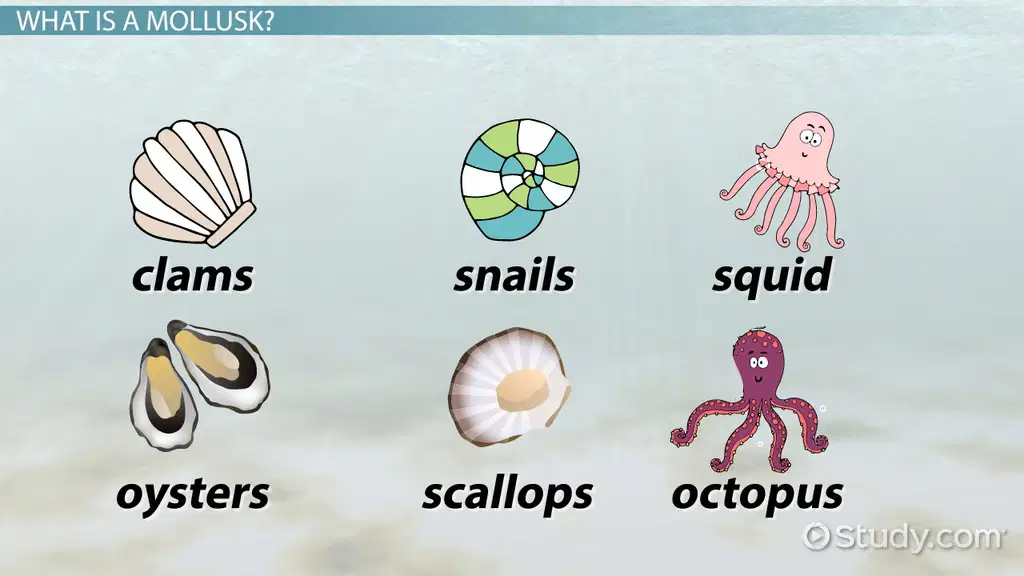
Mollusks are the _________________________
smallest group of fungi.
largest group of arthropods.
largest group of molluscs (snails, limpets, abalones, sea slugs).
smallest group of molluscs (snails, limpets, abalones, sea slugs)
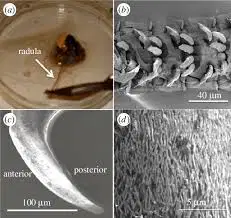
Gastropods have ___________________________.
teeth for grazing on seaweeds; some are deposit feeders or even suspension feeders.
radula for grazing on seaweeds; some are deposit feeders or even suspension feeders.
nematocysts for grazing on seaweeds; some are deposit feeders or even suspension feeders.
fangs for grazing on seaweeds; some are deposit feeders or even suspension feeders.
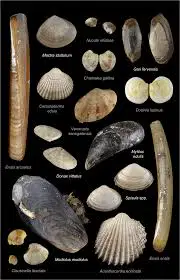
________________ are specialized filter feeders: clams, oysters, scallops, mussels, shipworms
bivalves
gastropods
cephalopods
cuttlefishes
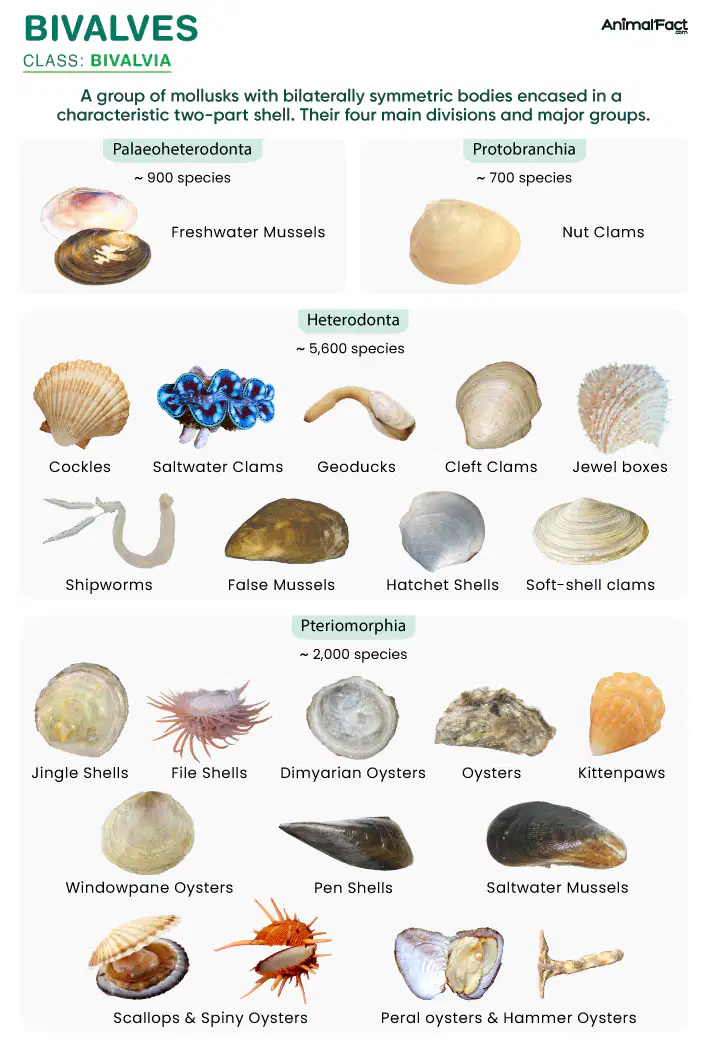
________________have a compressed body in mantle cavity between two shells or valves.
bivalves
gastropods
cephalopods
cuttlefish

