
 Worksheets
Clouds
Total questions: 21
Worksheet time: 31mins
Name
Class
Date
1.
They are highest clouds in the sky. They look curly, white and feathery. Usually mean good weather.
a)
Cumulus
b)
Cumulonimbus
c)
Cirrus
d)
Stratus
2.
This is sometimes called a thunderhead cloud. It looks very tall like mountains and heavy rain comes from it.
a)
Cumulus
b)
Cirrus
c)
Stratus
d)
Cumulonimbus
3.
They are low in the sky and look soft and fluffy.
a)
Cirrus
b)
Cumulonimbus
c)
Cumulus
d)
Stratus
4.
These clouds are the closest to the ground. Their name means layer- or sheet like. They bring rain or snow and cover most of the sky.
a)
Cirrus
b)
Stratus
c)
Cumulonimbus
d)
Cumulus
5.
Low clouds (like fog), that are thick, cover the sky, and block the sun. Usually bring continuous precipitation (rain or snow).
a)
stratus
b)
cumulus
c)
cirrus
d)
nimbo
6.
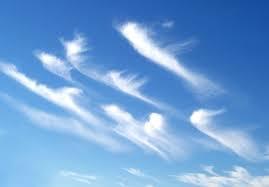
what type of cloud is shown?
a)
cumulus
b)
cirrus
c)
stratus
7.
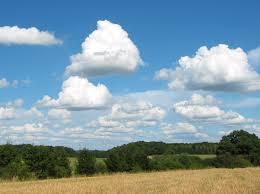
what type of cloud is shown?
a)
cumulus
b)
cirrus
c)
stratus
8.
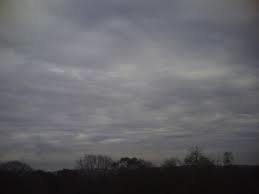
what type of cloud is shown?
a)
cumulus
b)
cirrus
c)
stratus
9.
Water vapor, which helps create clouds, gets into the air by ________________.
a)
precipitation
b)
evaporation
c)
condensation
d)
sublimation
10.
Rain, snow, sleet, and hail are all types of ______________________, which comes from some clouds.
a)
precipitation
b)
condensation
c)
evaporation
d)
runoff
11.
What are the mid-level clouds called?
a)
alto
b)
cirrus
c)
stratus
d)
cumulu
12.
When water vapor goes from a gas back to a liquid this process is what?
a)
Evaporation
b)
Condensation
c)
Transpiration
d)
Run Off
13.
These type of clouds are found highest in the atmosphere and contain ice crystals.
a)
cumulus
b)
cirro
c)
alto
d)
nimbus
14.
The water cycle is driven/caused by the _______.
a)
wind
b)
volcanoes
c)
sun
d)
erosion
15.
Dirt and dust in the air that water condenses on to form a cloud is known as?
a)
Condensation Nuclei
b)
Pollution
c)
Pollen
d)
Evaporation Nuclei
16.
An anemometer measures which of the following:
a)
wind direction
b)
air pressure
c)
rainfall
d)
wind speed
17.
Water vapor condenses to form:
a)
aquifers
b)
lakes
c)
clouds
d)
humidity
18.
Which has higher pressure?
a)
cool air
b)
warm air
19.
Which of the following is not a type of precipitation?
a)
rain
b)
snow
c)
humidity
d)
sleet
20.

What is the name of the cloud shown?
a)
Cumulonimbus
b)
Stratus
c)
Nimbostratus
d)
Cumulus
21.
When water vapor at the surface condenses and temperatures are above freezing, what forms?
a)
dew
b)
fog
c)
frost
d)
rain
100 %

