Worksheets
Astronomical Bodies
Total questions: 21
Worksheet time: 16mins
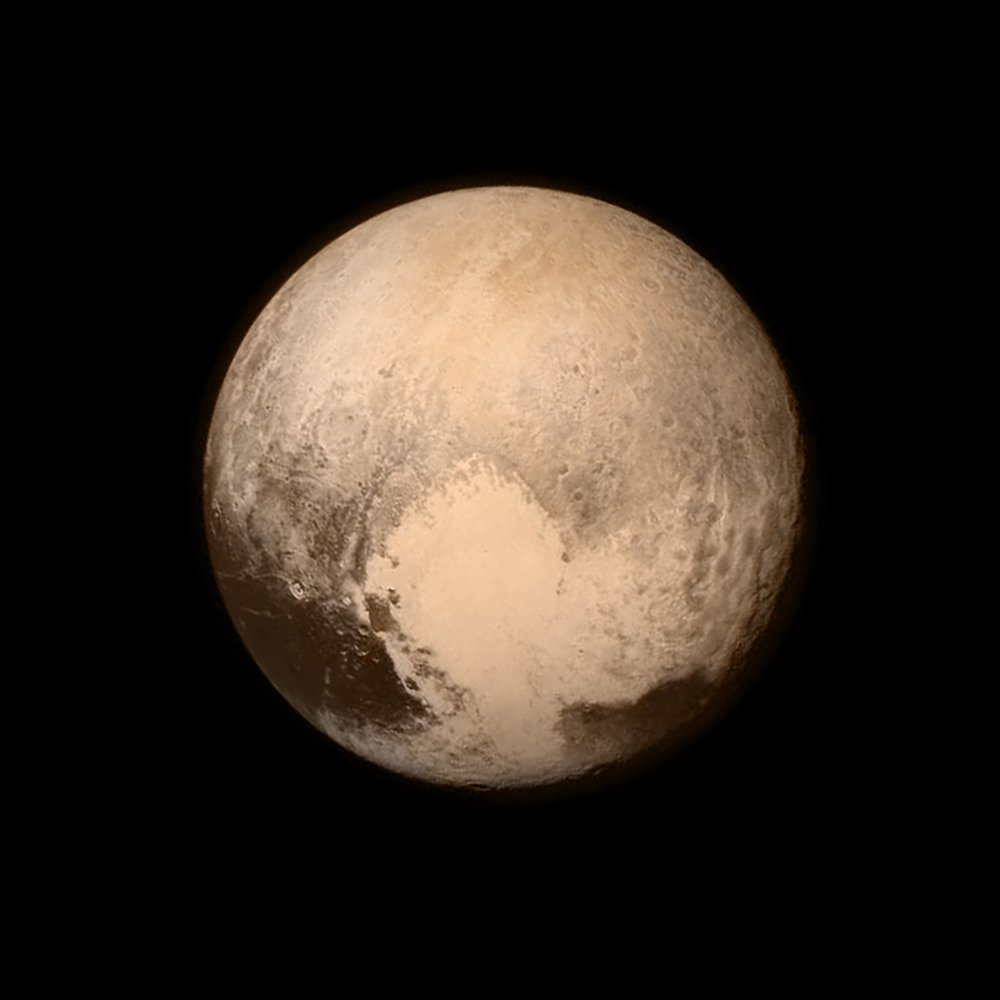
The Moon is the Earth´s natural...
celestial body
satellite
comet
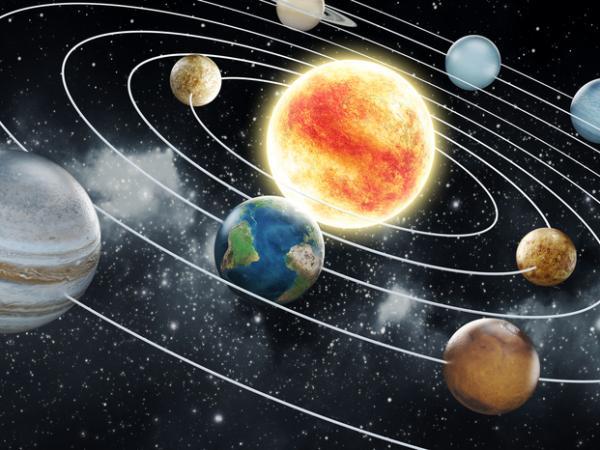
Planets and other celestial bodies orbit...
The Moon
The Earth
The Sun
What is a natural satellite?
Celestial bodies that go around a star. They reflect light.
Small celestial bodies that go around planets
Celestial bodies formed by ice and dust
Celestial bodies that can emit light

What's the name of our galaxy?
Andromeda
Orion
The Rosy Way
The Milky Way
The universe started with an explosion that sent matter into space, and it continues to expand today.
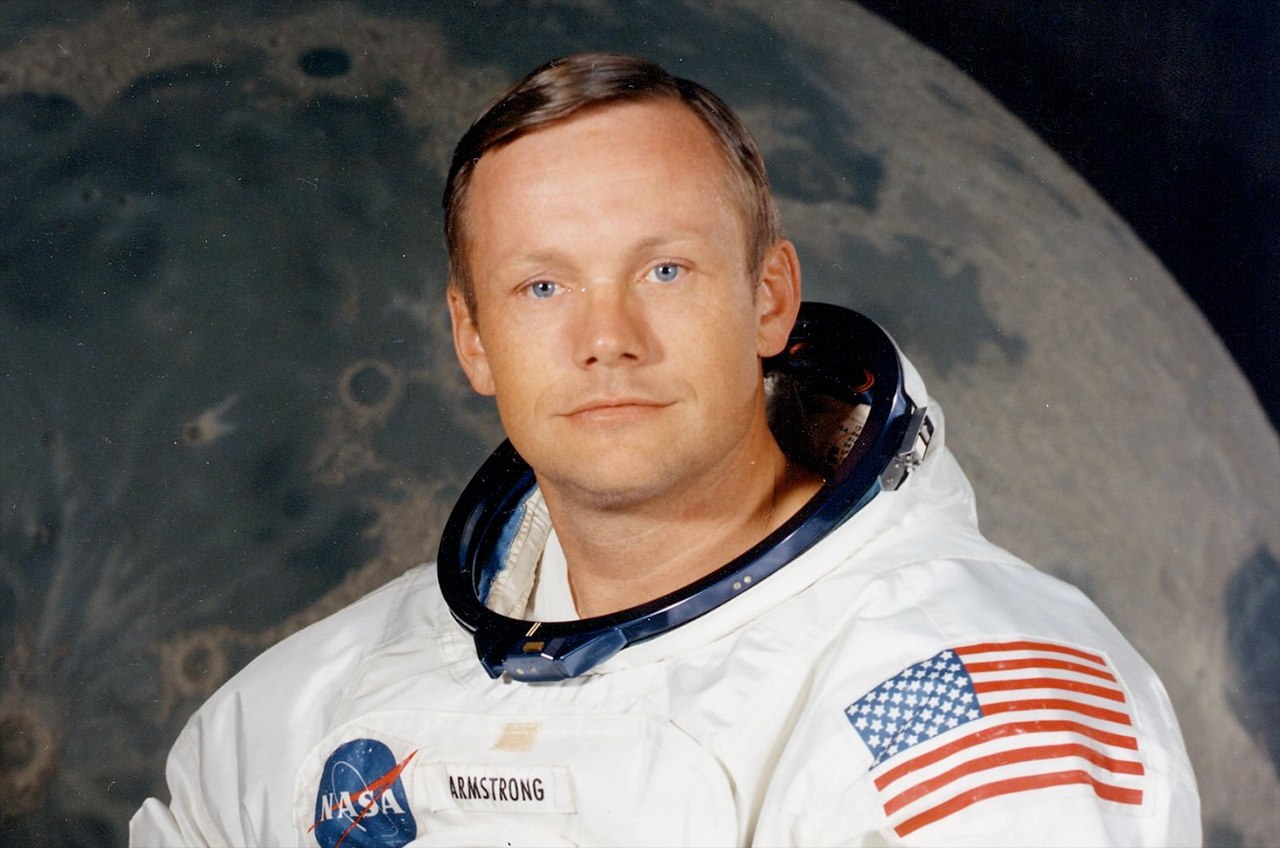
Who is Neil Armstrong?
First man on the Moon
First man on Mars
First man on Earth
The man who invented telescope
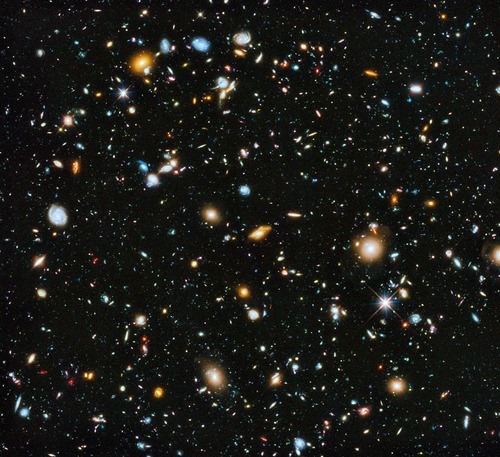
The Universe is a group of:
Celestial bodies, matter and energy that are in the space.
Gas, dust and millions of stars
A great ball of gas that proyects light.
The MIlky way
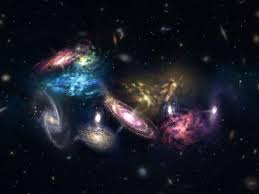
Galaxies are:
gropus of Asteroids
Groups of planets
Groups of stars, gas and dust.
Group of satellites
Celestial body made of ice and is in orbit of a star
Asteroid
Meteorite
Comet
Planet
Large conglomerations of stars
Galaxies
Planets
Solar system
Nebulas
Object larger than a meteoroid that orbits the sun and is made of rock and metal.
Meteor
Comet
Asteroid
Planet
Celestial body that is in orbit around a star and has enough mass and gravity to force a spherical shape
Comet
Asteroid
Planet
Meteor
Huge glowing ball of hot gas, mainly hydrogen and helium that helds nuclear fissions at its core
Comet
Star
Planet
Asteroid
Man-made device orbiting around the Earth, Moon or another planet that transmits information or is used for communication
Planet
Artificial satellite
Natural satellite
Star
Branch of physics that studies celestial bodies
Astrology
Astronomy
Shape of the Milky way
Spiral
Round
Irregular
Regular