
NEW
Font size
S
M
L
XL
 Worksheets
Solar System
Total questions: 25
Worksheet time: 21mins
Name
Class
Date
1.
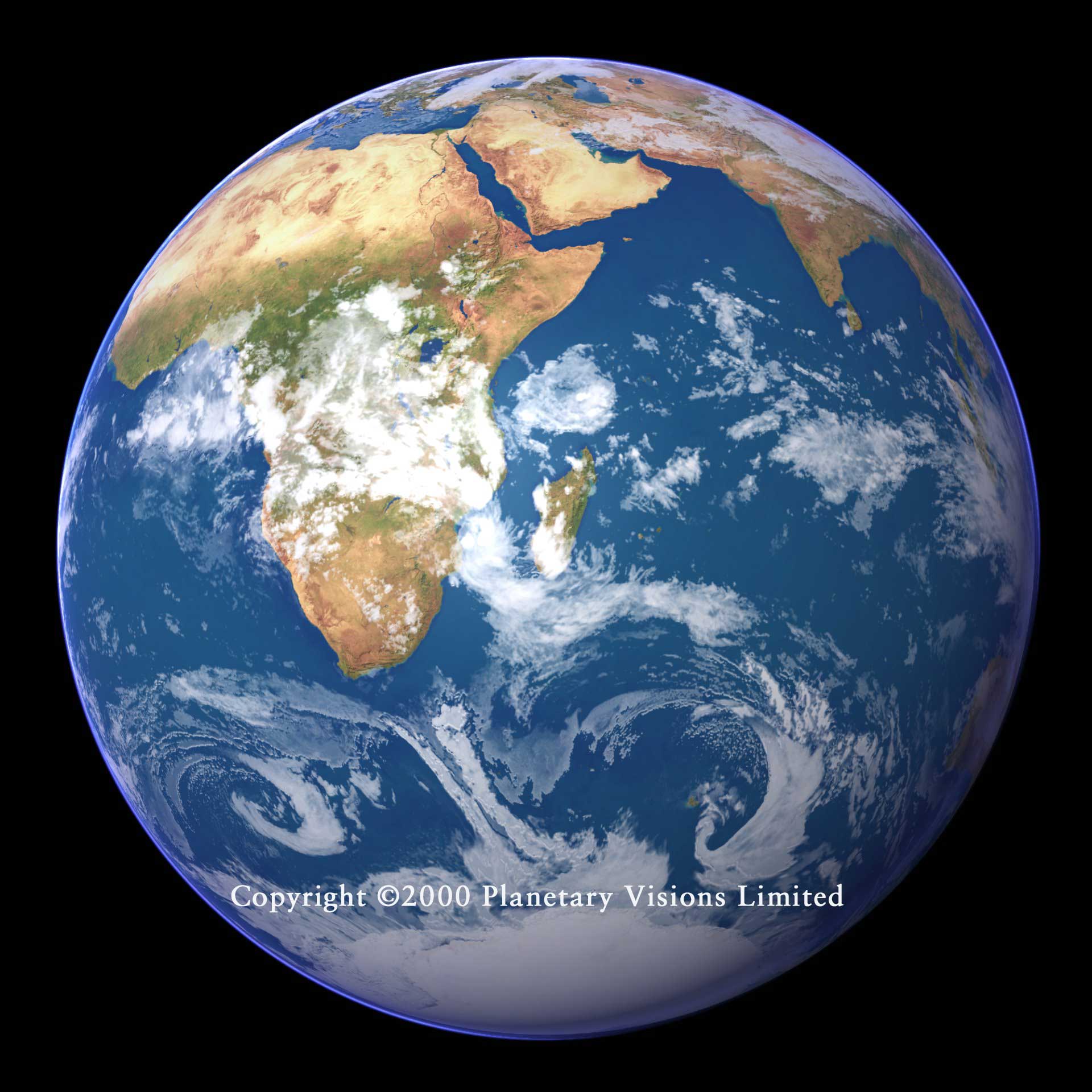
Which of the following terms match the definition below?
"To spin around on an axis"
"To spin around on an axis"
a)
revolve
b)
orbit
c)
rotate
d)
axis
2.

How long does it take for Earth to rotate or spin on its axis?
a)
24 hours
b)
1 year
c)
365 days
d)
12 months
3.

When the moon's light is increasing, this is called _________.
a)
waxing
b)
waning
4.

Which moon phase comes after the third quarter?
a)
waning gibbous
b)
waxing crescent
c)
waxing gibbous
d)
waning crescent
5.

Which moon phase comes roughly 15 days before a full moon?
a)
waxing gibbous
b)
waxing crescent
c)
new moon
d)
first quarter
6.
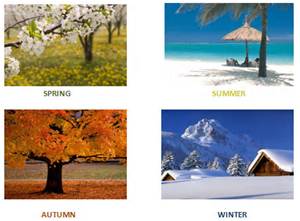
Which of the following causes seasons?
a)
Earth's tilt and rotation
b)
Earth's tilt and revolution
c)
Earth's revolution and rotation
d)
Earth's orbit
7.
About how long does it take for the moon to revolve around Earth one time?
a)
30 days
b)
1 year
c)
1 day
d)
24 hours
8.
If scientists discovered a large, round object revolving around a star, that object would be considered a...
a)
moon
b)
planet
c)
star
d)
solar system
9.
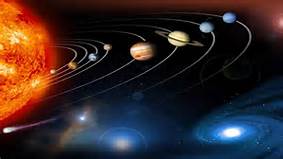
Which is true of stars and planets?
a)
Stars move through the sky, but planets do not.
b)
Stars are the brightest objects in the night sky.
c)
It is easier to see planets than stars because planets glow with heat.
d)
Stars and planets both move.
10.
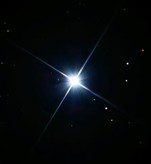
A star's color tells us about its...
a)
temperature
b)
size
c)
rotation
d)
distance from Earth
11.
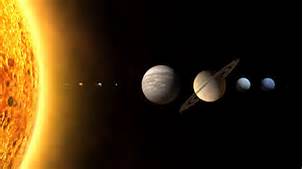
"A group of objects in space that orbit a star in the center, plus the star itself" best defines which of the following terms?
a)
solar system
b)
galaxy
c)
universe
d)
asteroid belt
12.
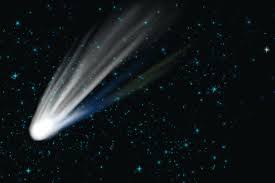
How do asteroids and comets differ?
a)
Comets are made of rock, while asteroids are not.
b)
Asteroids are mostly made of frozen gases, while comets are not.
c)
Asteroids are made of metal, while comets are not.
d)
Asteroids are made of ice, while comets are not.
13.
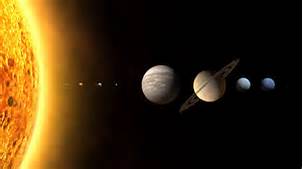
Name the outer planets in the correct order.
a)
Jupiter, Saturn, Uranus, Neptune
b)
Mercury, Venus, Earth, Mars
c)
Saturn, Jupiter, Uranus, Neptune
d)
Mercury, Earth, Mars, Venus
14.
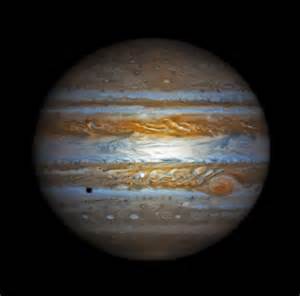
Which planet is known for its giant "red spot"?
a)
Mars
b)
Jupiter
c)
Uranus
d)
Venus
15.
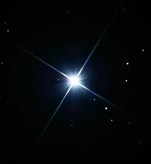
Which of the following is true of stars?
a)
The oldest stars are blue.
b)
The newest stars are yellow.
c)
The hottest stars are blue.
d)
The hottest stars are red.
16.

Earth's Northern hemisphere is tilted toward the sun during which season?
a)
winter
b)
spring
c)
summer
d)
fall
17.
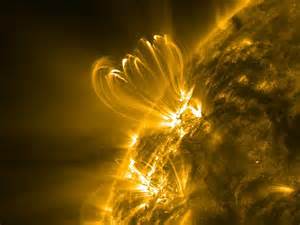
In one year, Earth ________ around the sun.
a)
revolves
b)
rotates
18.
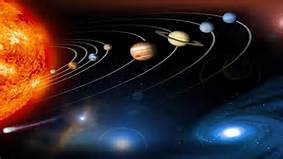
Inner and outer planets differ in many ways. Which of the following is not true?
a)
Inner planets are smaller than outer planets.
b)
Inner planets are called the rocky planets, while outer planets are known as the Gas Giants.
c)
Outer planets have no rings, while the inner planets all have rings.
d)
The inner planets have fewer moons than the outer planets.
19.
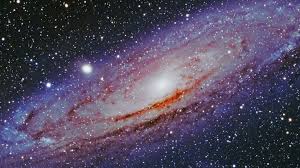
Which term can be described as "Everything that exists in space"?
a)
galaxy
b)
solar system
c)
constellations
d)
universe
20.
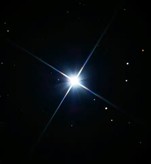
Stars have a "steady light", while planets twinkle.
a)
True
b)
False
21.
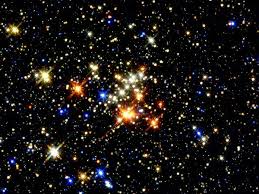
Stars move over long periods of time, but they are relatively stationary or still from our perspective.
a)
True
b)
False
22.

Why do stars appear to move from east to west in the night sky?
a)
Earth's rotation
b)
Earth's revolution
23.
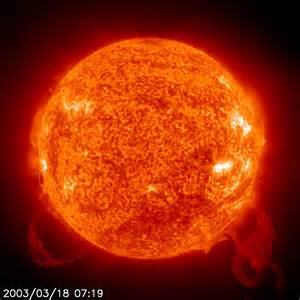
Which statement BEST explains why the sun appears to rise in the east and set in the west?
a)
Earth orbits the sun.
b)
The moon orbits Earth.
c)
Earth rotates on its axis.
d)
The sun orbits Earth
24.

On Tuesday night, you see a bright object in the night sky. On Friday night, you notice the same object in a slightly different location in the sky. The object must be ...
a)
a star
b)
the moon
c)
an asteroid
d)
a planet
25.
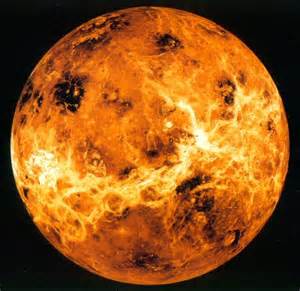
Which planet is the hottest?
a)
Mercurcy
b)
Venus
c)
Earth
d)
Mars
Reset

