
 Worksheets
Long Test 2.2 Reviewer
Total questions: 20
Worksheet time: 15mins
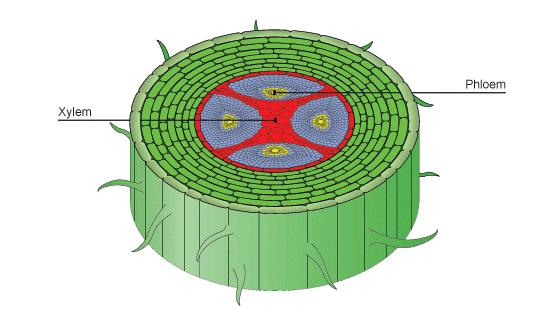
Specific type of plant tissue that transports water and minerals from the roots, through the stems, to leaves
vascular plant
nonvascular plant
xylem
phloem
These plants must get water and nutrients directly from the environment and distribute it from cell to cell.
Vascular
Nonvascular
Seed Producing
Cone Bearing
This structure holds nonvascular seedless plants into the ground
roots
saprophyte
rhizoid
cones
Angiosperms produce from
rhizoids
cones
fruit and flowers

This plant uses spores instead of seeds. This is a ...
a gymnosperm
a seedless plant
a seed plant
a spermatophyte
Vegetative propagation uses STEM, LEAVES, and other specialized parts to grow faster.
TRUE
FALSE
How do we call plants that have seeds, flowers and fruit?
Nonvascular plants
Seedless vascular plants
Gymnosperms
Angiosperms
How do we call plants that have seeds, but no flowers or fruit?
Nonvascular plants
Seedless vascular plants
Gymnosperms
Angiosperms

Watermelons belong to...
Bryophytes
Pteridophytes
Spermatophytes
Angiosperms
Generally, small plants live in wetlands, with no real roots and reproduce through spores.
bryophytes
pteridophytes
How do you call the collection of organisms that belong to different populations but all live in the same area and interact with one another?
Biosphere
Community
Organism
Population

Name the level of organization shown in the image.
cell
tissue
organism
organ system
Question 7: A sudden drop in the bee population affects the flowering plants in a forest. This interaction occurs at which level of biological organization?
A. Population
B. Community
C. Ecosystem
D. Organ

Question 6: Watch the video about aquatic ecosystems. Based on the video, which level of biological organization does the coral reef represent?
A. Population
B. Organism
C. Community
D. Ecosystem
What causes coral bleaching?
oil spills
warmer water temperatures
overfishing
red tide
Which ecosystem houses half of the terrestrial plants and animals on Earth due to its rich biodiversity?
Mangrove Swamp
Tropical Rain forest
Coral reef
The Tropical Rain Forest is crucial to life on Earth because it produces approximately 40% of the planet’s oxygen.
TRUE
FALSE
Which ecosystem is home to cnidarians, such as jellyfish and sea anemones? It is also known as forest of the sea.
Tropical Rain forest
Mangrove swamp
Coral reef
During migration season, many birds stop and spend time in this ecosystem before continuing their journey.
Tropical Rain forest
Mangrove swamp
Coral reef

