
 Worksheets
Succession Microhabitat
Total questions: 24
Worksheet time: 8mins
What type of ecological succession occurs in an area with NO SOIL?
Ecological succession
Primary succession
Secondary succession
Pioneer speciles
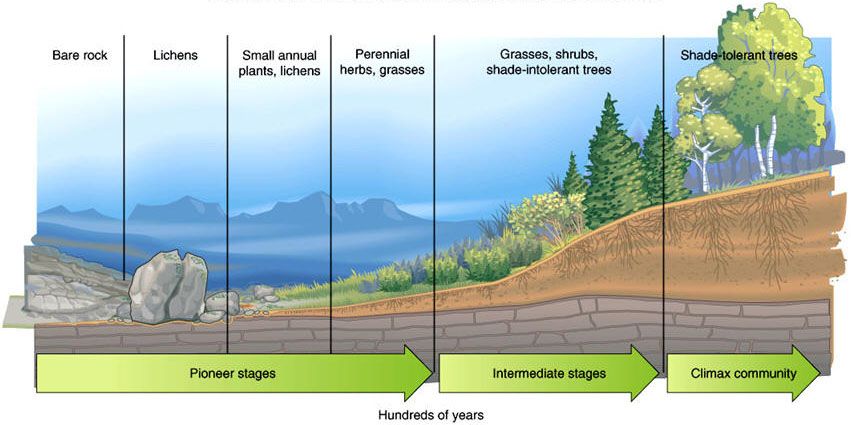
What type of ecological succession is shown in this picture?
Primary
Secondary
Tertiary
Quaternary
Starts with BARE ROCK followed by lichen:
Primary succession
Secondary succession
Both primary and secondary succession
Neither primary nor secondary succession
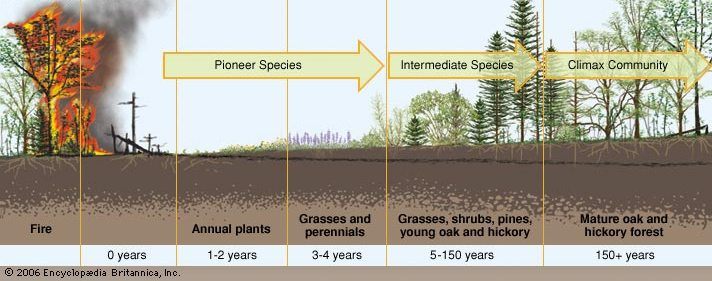
What type of ecological succession is shown in this picture?
Primary
Secondary
Tertiary
Quaternary
The final stable community of plants and animals is called a(n) --
pioneer community.
farmland.
climax community.
old field.
How do lichens contribute to primary succession?
Lichens decompose organic matter from animals and plants.
Lichens begin to break down rock to form soil.
Lichens are nitrogen fixing bacteria.
Lichens convert carbohydrates into fossil fuels.
What is TRUE about both primary and secondary ecological succession?
They both start with bare rock.
They both start with soil already present.
They both occur over time.
They both end with identical ecosystems.
Which type of ecological succession will typically reach a climax community faster because soil is already present?
Primary succession
Secondary succession
Both types of succession
Neither type of succession
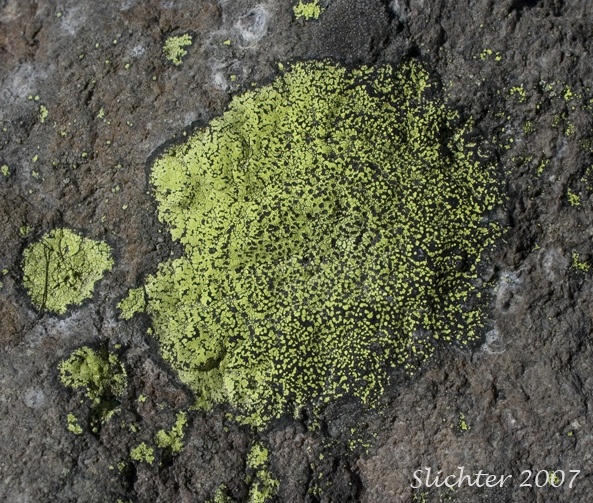
What is usually the first species you will see during primary succession? (in picture)
Mosses and lichens
Grasses
Small plants
Insects
What is NOT a cause of primary succession?
Hurricane
Volcanic eruption
Melting glaciers
Landslides
What are usually the pioneer (first) species for secondary succession?
Lichens
Mosses
Grasses
Softwood trees
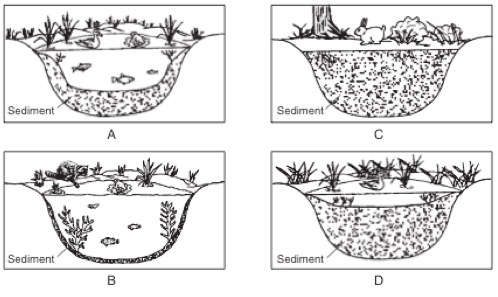
What is the correct order from oldest (happened first) to youngest (happened last) in this example of pond succession?
A → B → C → D
D → C → B → A
B → A → D → C
C → D → A → B
Secondary succession occurs where an ecosystem has previously existed.
False
True
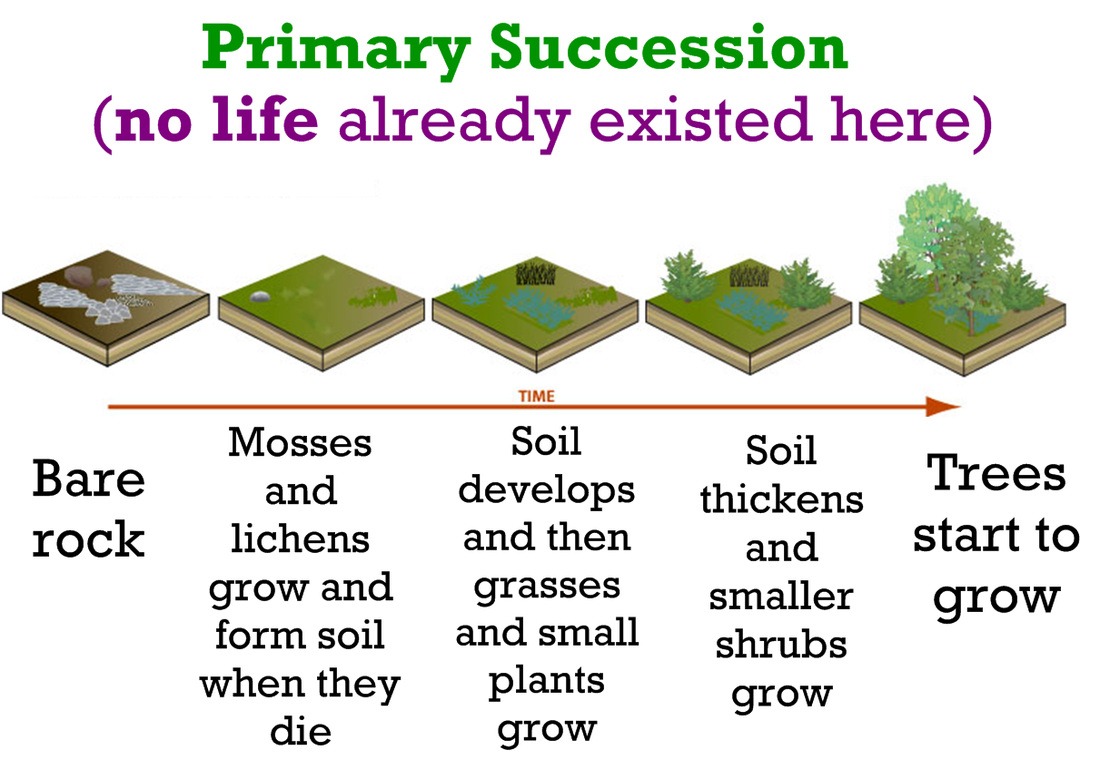
What is the process by which a new community forms where no community lived before?
Resource harvesting
Invasive (non-native) species move in
Primary succession
Competition
How can humans work to ensure our ecosystems remain healthy?
Limit the number and variety of organisms living in ecosystems (reduce biodiversity).
Introduce invasive species and pollute ecosystems.
Convert ecosystems into agricultural areas for farming.
Promote increased biodiversity through conservation of rainforests, limiting and preventing invasive species, and responsibly disposing of wastes.
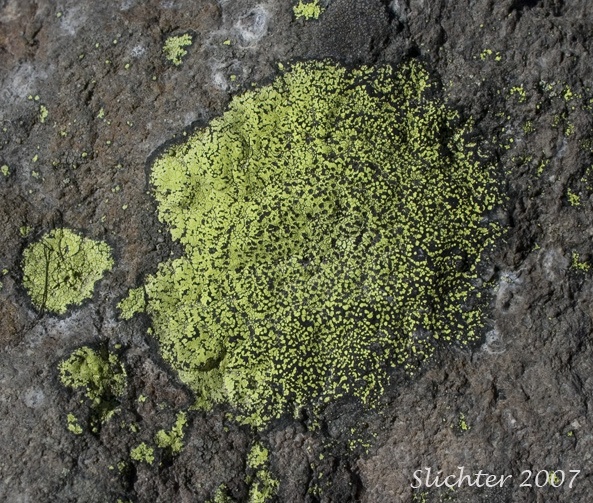
What is a pioneer species?
The first organism to repopulate an area undergoing ecological succession.
The last organism to repopulate an area undergoing ecological succession.
The first animal species to return to an ecosystem.
The apex predators at the top of an ecosystem's energy pyramid.
After a volcanic eruption, lava covers the land, solidifying into rock. What is the order that plants grow to repopulate the area?
Lichens → Shrubs → Grasses → Trees
Lichens → Trees → Shrubs → Grasses
Grasses → Lichens → Shrubs → Trees
Lichens → Grasses → Shrubs → Trees
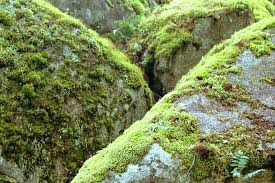
What are examples of pioneer species during primary succession?
Bushes and Shrubs
Oak trees
Mosses and Lichens
A rose bush
In a pond, which of the following changes would most likely result in terrestrial succession (turning the aquatic ecosystem into a land ecosystem)?
An increase in water plants growing in the pond.
A decrease in the number of decomposers in the pond.
An increased rate of deposition of sediments into the pond.
A decrease in the amount of dissolved oxygen in the water, which would result in the death of large fish in the pond.
Which of the following natural events can lead to primary succession?
Floods and hurricanes
Wildfires and controlled burns
Tsunamis and tornadoes
Glacier movement and volcanic eruptions
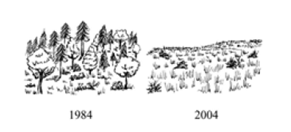
The figure shows the same ecosystem in Texas at two different times. Which of the following most likely caused the change of species shown in the figure?
The development of a parking lot
A glacier retreating
Humans preserving the natural habitats of native wildlife
The occurrence of a forest fire
A hurricane hits a coastal ecosystem and destroys the habitat. Years later, there is an appearance of small plants with rapidly spreading roots on newly formed coastal sand dunes. The vegetation describes --
a microhabitat.
primary succession.
secondary succession.
biodiversity.
You observe a garden in a schoolyard. Corn, tomatoes, pumpkins, and other crops thrive in the garden. What is most likely true of the soil in this microhabitat?
It is deep, dark, and nutrient rich.
It is thin, acidic, and nutrient poor.
How is secondary succession different from primary succession?
Secondary succession occurs after a disturbance in an area that was previously uninhabited.
Secondary succession occurs after a disturbance in an area in which the soil has remained intact.

