
Font size
 Worksheets
IB Bio
Total questions: 23
Worksheet time: 34mins
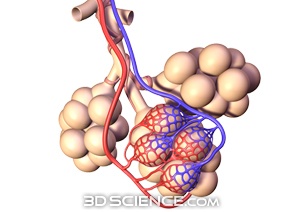
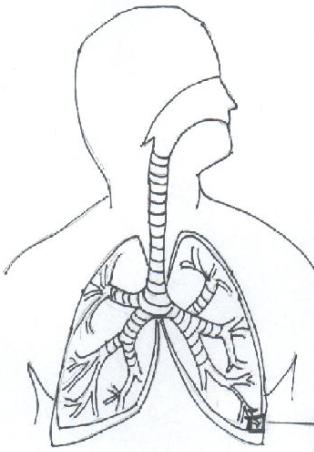
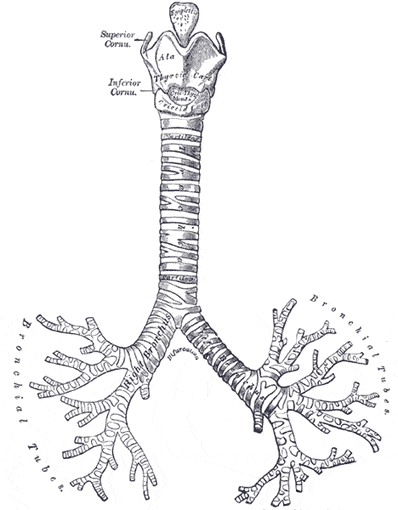

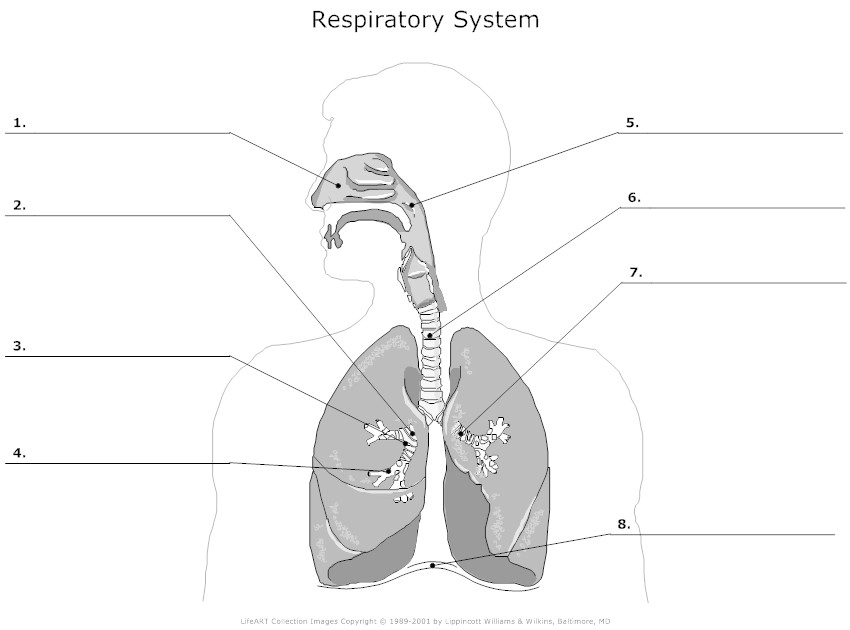
Name the structure labelled #6
alveoli
bronchi
trachea
lungs
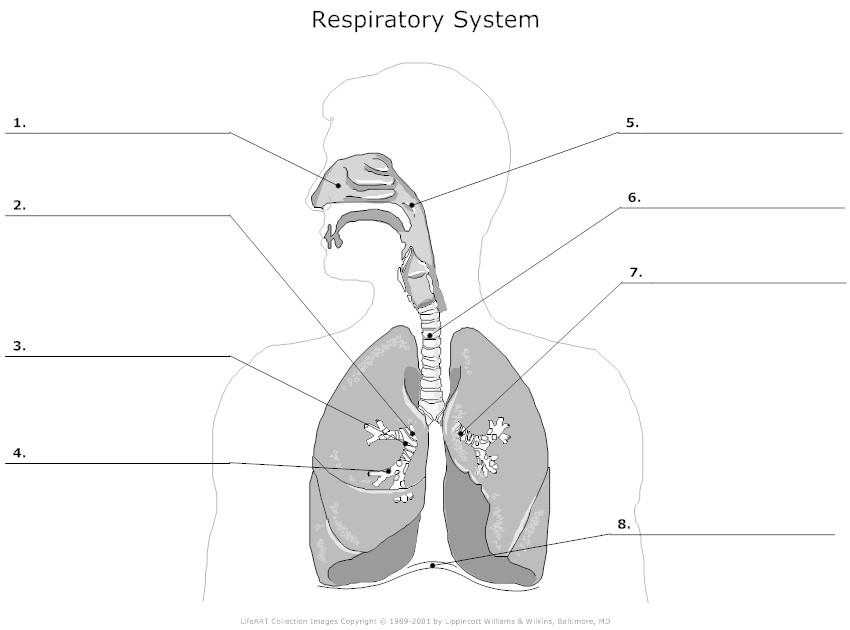
Name the structure labelled #8
lungs
trachea
diaphragm
alveoli
When the diaphragm relaxes this creates
a decrease in chest volume
an increase in chest volume
an increase in lung capacity
no change in air volume
Given the following structures:
1. alveoli
2. bronchi
3. bronchioles
Which of the following is the correct order in which air would flow after inhalation?
1,2,3
2,1,3
2,3,1
3,2,1
Select ALL that apply to inspiration (3):
Diaphragm moves up
Ribs move in
Ribs move out
Diaphragm contracts
Creates lower pressure in chest cavity
Select ALL that apply to expiration (2):
Diaphragm relaxes
Pressure increases in thoracic cavity
Pressure is greater outside the body
Diaphragm moves down

Which 2 statements are true?
Increase in volume = increase in pressure
decrease in volume = increase in pressure
decrease in volume = decrease in pressure
Increase in volume = decrease in pressure
What can cause change in pressure when we breathe?
Carbon dioxide levels
Oxygen levels
Diaphragm movement
lung movement
Which term describes the physical movements in the thorax which bring fresh air to the alveoli and remove stale air?
gas exchange
respiration
ventilation
circulation

What feature of alveoli adapts them to efficient gas exchange?
They have muscles which pump air in and out regularly
Their membranes are more permeable to gases than water
A constant blood supply flows through them
A dense network of capillaries surrounds them
What are the holes in an insect's abdomen called?
Pores
Stomata
Spiracles
Spindles
As the size of an organism increases its surface area to volume ratio increases
True
False
By which process in oxygen transported into cells?
(a)
Which substance(s) can exit spiracles?
oxygen
carbon dioxide
glucose
water (vapour)
Gills are adapted for efficient gas exchange due to the following reasons (select all that apply)
Broccoli shaped alveoli provide large surface area
Gills provide a large surface area to volume ratio
Gills are very thin, making a short diffusion distance for gases
A high concentration gradient between the gaseous content of the blood versus the gaseous content of the water
Water moves across the gill lamellae in the opposite direction to the blood flowing through them, this is known as a
Gill lamellae mechanism
Opercular suction pump
Countercurrent exchange mechanism
Bony gill arch current mechanism

