
 Worksheets
Chemistry of Life
Total questions: 30
Worksheet time: 18mins
Name
Class
Date
1.
Which subatomic particles are involved in forming bonds with other atoms?
a)
valence electrons
b)
valence protons
2.
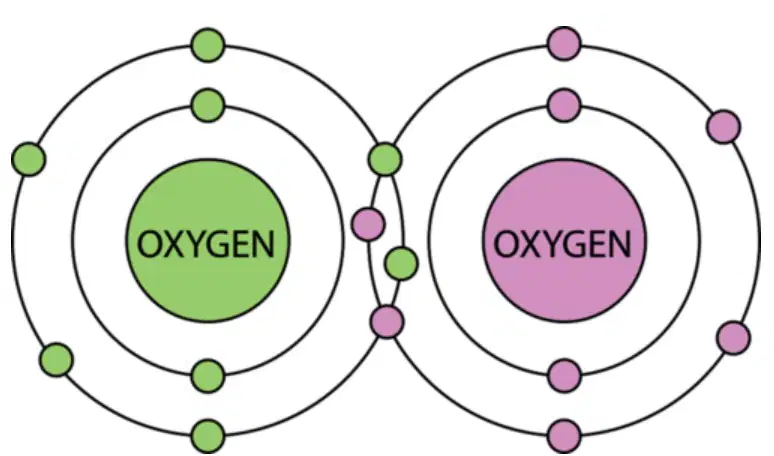
These two oxygen atoms are equally sharing their electrons. What type of bond is this?
a)
polar covalent bond
b)
nonpolar covalent bond
c)
ionic bond
d)
hydrogen bond
3.
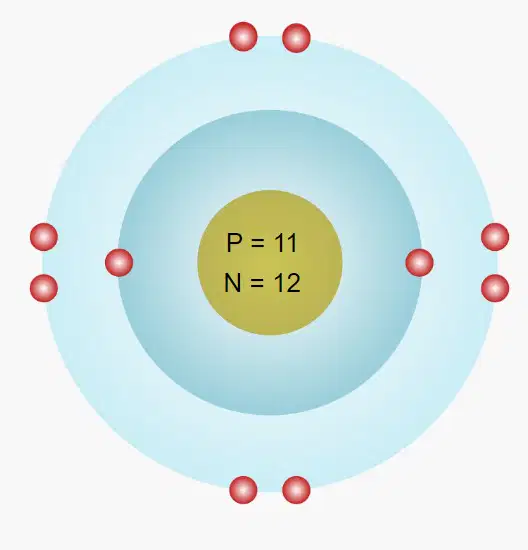
How many valence electrons are in this atom?
a)
2
b)
8
c)
10
d)
11
4.
What charge does an electron have?
a)
positive
b)
negative
c)
neutral
5.
What charge does a proton have?
a)
positive
b)
negative
c)
neutral
6.
What charge does a neutron have?
a)
positive
b)
negative
c)
neutral
7.
Which two particles are found in the nucleus of an atom?
a)
protons and neutrons
b)
protons and electrons
c)
neutrons and electrons
8.

What is the atomic mass of lithium?
a)
3
b)
4
c)
7
9.
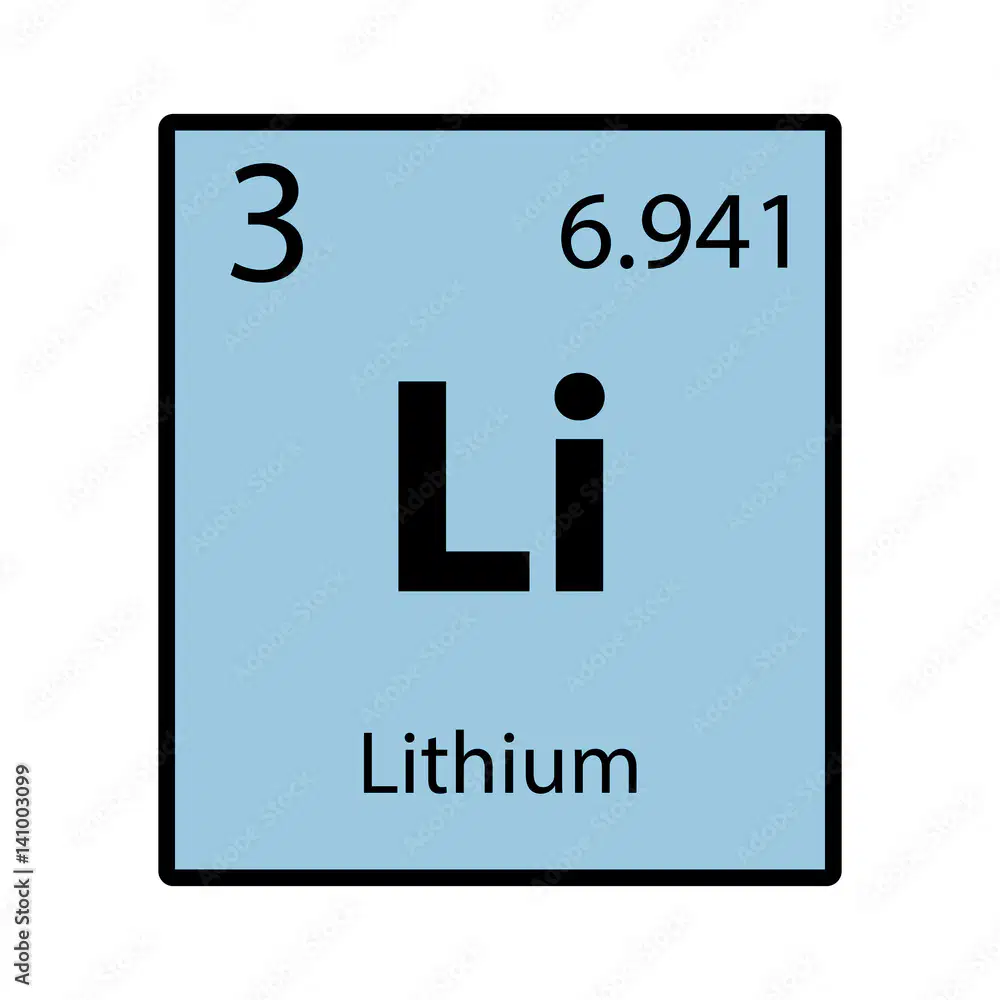
How many protons are in one atom of lithium?
a)
3
b)
4
c)
7
10.

How many neutrons are in one atom of lithium?
a)
3
b)
4
c)
7
11.
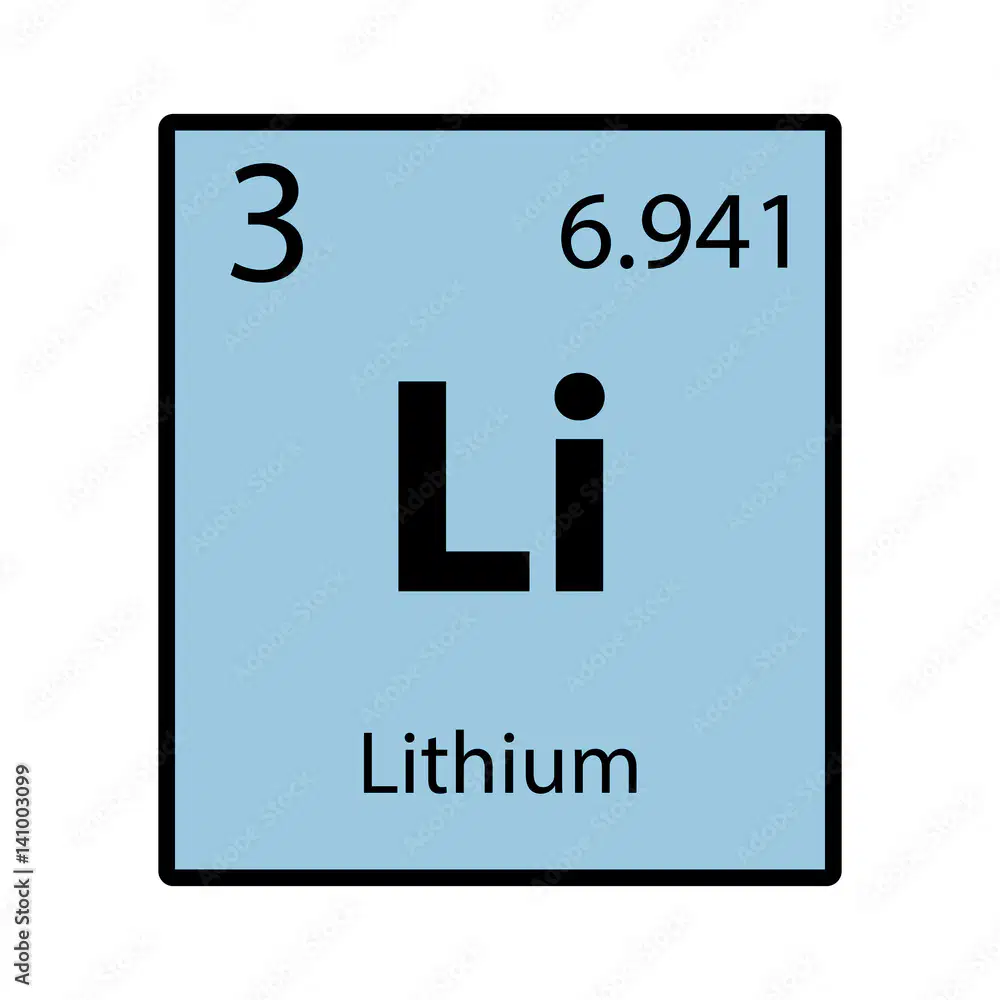
How many electrons are in one neutral atom of lithium?
a)
3
b)
4
c)
7
12.

Which statement best describes this image?
a)
These atoms are forming ions because they have a different number of electrons.
b)
These atoms are two completely different elements.
c)
These two atoms are isotopes because they have a different number of neutrons.
13.
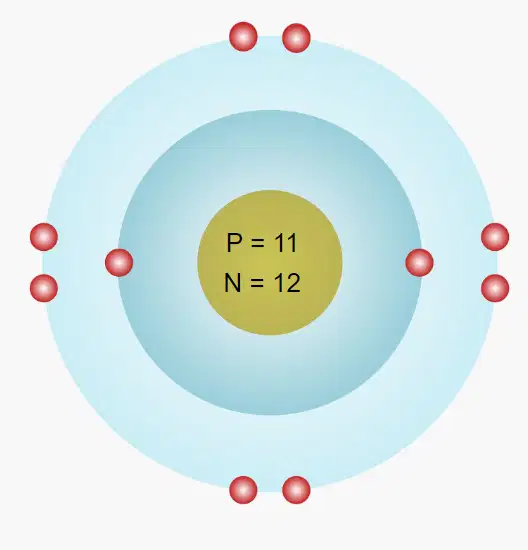
Which statement best describes this image?
a)
This image shows an ion because it has more protons than electrons.
b)
This atom would have a neutral charge because it contains the same number of protons and electrons.
c)
This atom has more electrons than protons, giving it a negative charge.
14.

What statement best describes the image below?
a)
The bond labeled "1" is a hydrogen bond because it is connecting the negatively charged oxygen of one water molecule to a positively charged hydrogen in another water molecule.
b)
The bond labeled "1" is a covalent bond because it is showing that electrons are shared between two different water molecules.
15.
Which property of water allows water to stick to the inside of the stem in plants?
a)
adhestion
b)
cohesion
c)
heat capacity
d)
solubility
e)
16.
Water is a polar molecule because
a)
It shares electrons equally between oxygen and hydrogen
b)
It does not share electrons equally and results in charges at opposite ends
c)
It freezes at zero degrees Celsius
17.
_____________ is the attraction of water molecules sticking to other water molecules.
a)
adhesion
b)
cohesion
c)
water is a universal solvent
d)
water is less dense as a solid
18.

Which substance on the pH scale below is the strongest base?
a)
drain cleaner
b)
HCl
c)
blood
d)
baking soda
19.

Which substance on the pH scale below is the strongest acid?
a)
drain cleaner
b)
HCl
c)
blood
d)
baking soda
20.

Which substance on the pH scale below is the weakest acid?
a)
drain cleaner
b)
HCl
c)
blood
d)
milk
21.

Which substance on the pH scale below is neutral and is neither an acid nor a base?
a)
drain cleaner
b)
soap
c)
water
d)
coffee
22.
Which of the following statements best explains why water is inorganic?
a)
Water is inorganic because it does not contain nitrogen.
b)
Water is inorganic because it contains hydrogen.
c)
Water is inorganic because it does not contain carbon.
23.
Is NaCl organic or inorganic?
a)
organic
b)
inorganic
24.
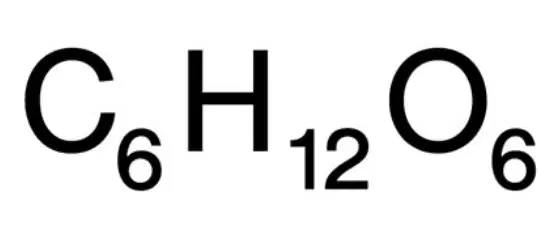
Is this molecule organic or inorganic?
a)
organic
b)
inorganic
25.
What is a monomer?
a)
a long chain
b)
one unit
26.

What subatomic particle is electrically neutral (no charge)?
a)
Proton
b)
Ion
c)
Neutron
d)
Electron
27.

Positively charged subatomic particles are called ......
a)
neutrons
b)
electrons
c)
photons
d)
protons
28.

Which letter represents a proton?
a)
A
b)
B
c)
C
d)
D
29.

What does a represent?
a)
Proton
b)
Neutron
c)
Electron
30.
Is water (H20) organic or inorganic?
a)
organic
b)
inorganic
100 %

