
 Worksheets
Forces and Motion
Total questions: 33
Worksheet time: 51mins
Name
Class
Date
1.
When forces on an object are balanced, what is the force?
a)
Five
b)
Ten
c)
Six
d)
Zero
2.
How can you increase the acceleration of an object?
a)
decrease its mass
b)
increase its friction
c)
increase its mass
d)
decrease the force applied to it
3.

What does this graph represent?
a)
Constant Speed
b)
Acceleration
c)
Not moving
4.
Total distance divided by total time is
a)
average speed
b)
constant speed
c)
instantaneous speed
d)
acceleration
5.

______ measures an object's tendency to resist changing its motion.
a)
Acceleration
b)
inertia
c)
Gravity
d)
weight
6.

What does this graph represent?
a)
Constant speed
b)
Acceleration
c)
Not moving
7.

What is happening at D?
a)
Stationary
b)
Accelerating
c)
Fast steady speed; moving away from the starting position
d)
Slower steady speed; moving away from the starting position
8.

What is happening at E?
a)
Stationary
b)
Accelerating
c)
Fast steady speed; moving away from the starting position
d)
Steady speed; returning to start position
9.

Which runner won the race?
a)
A
b)
B
c)
C
10.

What is happening at D?
a)
Stationary
b)
Accelerating
c)
Fast steady speed; moving away from the starting position
d)
Slower steady speed; moving away from the starting position
11.

Which is true from Newton's Third law of motion?
a)
For every action force there is a smaller reaction force in the opposite direction.
b)
For every action force there is an equivalent reaction force in the opposite direction.
c)
Both 1 and 2
d)
None of the above
12.
When forces are unbalanced, an object will
a)
be in motion
b)
have more gravity
c)
have more mass
d)
stay still
13.
Weight is _________
a)
something we all worry about
b)
what you pick up at the gym
c)
what you do at the doctor's office
d)
gravity acting on an object's mass
14.
which force produces a change in motion?
a)
unbalanced force
b)
balanced force
c)
gravitational force
d)
frictional force
15.
What is a force that opposes motion between two surfaces?
a)
friction
b)
acceleration
c)
velocity
d)
motion
16.
What is the difference between mass and weight?
a)
mass is how much matter is in an object, and weight is the gravitational pull on that object
b)
mass and weight are the same
c)
weight affects how much mass is in an object
d)
weight is determined by how many atoms make up an object
17.
What is one example of a pulling force?
a)
hitting a baseball
b)
sliding in the dirt
c)
throwing a tennis ball
d)
dragging a sled
18.
The force that causes a ball to fall to the ground is ____________________________
a)
gravity
b)
lubricant
c)
friction
d)
motion
19.
What are two examples of forces?
a)
Art and Music
b)
A push or pull
c)
A stand or ground
d)
The dark side and the light side
20.
definition of motion?
a)
an object in motion changes position
b)
affected by the motion of the observer
c)
It happens instantly
d)
A change in position over time
21.

By creating unequal forces on an object there will be a change in
a)
attract
b)
force
c)
gravity
d)
motion
22.

If I kick a soccer ball across the field, what vocabulary word tells me why the ball would slow down in the grass?
a)
acceleration
b)
friction
c)
gravity
23.
Which of the following is a non-contact force?
a)
magnetism
b)
push
c)
pull
d)
friction
24.
How would the absence of friction affect a marble traveling on a long,straight path?
a)
A. The marble’s speed would decrease.
b)
B. The marble’s speed would increase.
c)
C. The marble would stop immediately.
d)
D. The marble would remain at constant speed.
25.
What energy did the pendulum have before you let it go?
a)
potential
b)
kinetic
26.
What energy did the pendulum have after you let it go?
a)
potential
b)
kinetic
27.
What is a force that works AGAINST MOTION?
a)
Force
b)
Motion
c)
Gravity
d)
Friction
28.
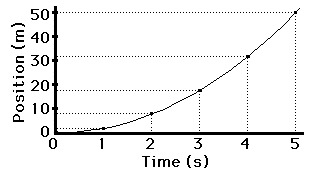
The picture of the position vs. time graph shows an object that is...
a)
accelerating/speeding up
b)
moving at a constant speed
c)
not moving
d)
accelerating/slowing down.
29.
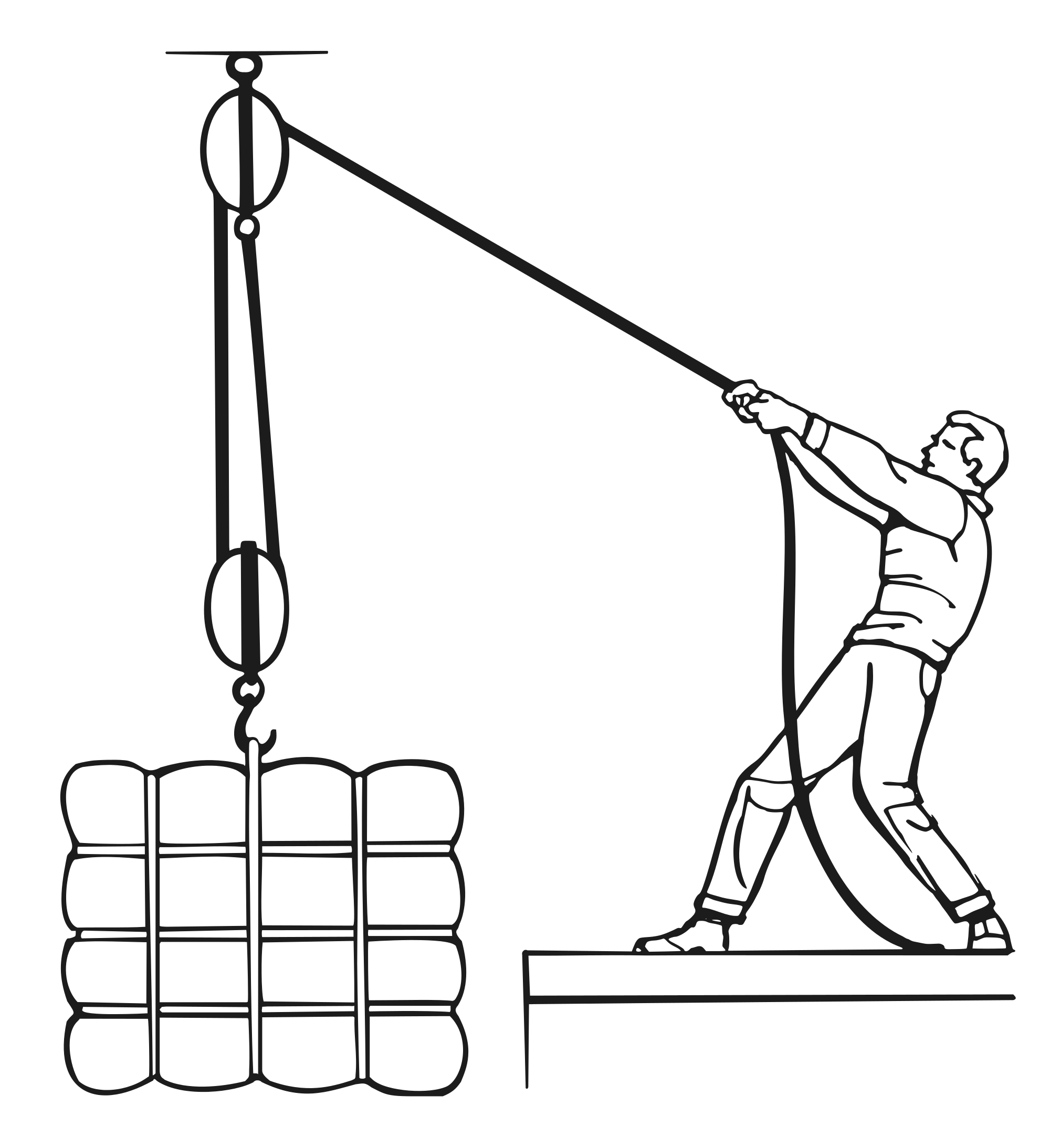
If you pull the cord, what direction will the box move?
a)
Up
b)
Down
c)
Left
d)
Right
30.

What does this graph represent?
a)
Constant Speed
b)
Acceleration
c)
Deacceleration
d)
Not moving
31.

Which runner won the race?
a)
A
b)
B
c)
C
d)
It was a tie
32.

What is the person doing from 5 seconds to 10 seconds?
a)
Walking
b)
Running
c)
Standing Still
d)
Walking Fast
33.

According to the graph how far does the person travel in the first 5 seconds?
a)
2 m
b)
10 m
c)
0 m
d)
5 m
100 %

