
 Worksheets
Cellular Systems
Total questions: 20
Worksheet time: 18mins
Name
Class
Date
1.
A group of the same type of cells that work together for a purpose are called -
a)
a tissue
b)
an organ
c)
an organ system
d)
an unicellular organism
2.

The shown figure highlights -
a)
a system of the body
b)
an organ of the body
c)
a tissue of the body
d)
a cell of the body
3.
A group of different tissues working together is -
a)
an organ
b)
an organ system
c)
a prokaryote
d)
a cell
4.
The levels of organization from the simplest to the most complex are
a)
Cells, tissues, organs, organ systems, organism
b)
Organisms, organs, tissues, cells, organ systems
c)
Cells, organs, organ systems, tissues, organism
d)
Tissues, cells, organs, organism
5.

A group of organs working together to perform a life function for a multicellular organism would be called a(n)
a)
organ system
b)
organism
c)
tissue
d)
organ
6.
Two examples of organ systems in the human body are -
a)
digestive system and respiratory system
b)
circulatory system and fluid system
c)
blood system and food system
d)
nervous system and stomach system
7.
Which statement is correct?
a)
Tissues are composed of cells that have the same function
b)
Tissues that have the same function form organ systems
c)
Cells that have the same function form an organ
d)
Organisms are composed of tissues that have the same function
8.
Which statement is correct?
a)
A group of organs work together to form an organ system
b)
Tissues that have the same function form an organ system
c)
Cell that have the same function form an organ
d)
Organ systems working together form a tissue
9.
The most basic unit of life is
a)
a cell
b)
an organ
c)
an organ system
d)
a tissue
10.

Which instrument is credited for helping scientists develop cell theory?
a)
the microscope
b)
a hand lens
c)
an electronic balance
d)
a thermometer
11.
What is an organism?
a)
an individual living thing such as a plant, bacterium, animal, or fungi.
b)
a group of organs that work together to perform one or more functions.
c)
a group of tissues that perform a specific function or group of functions.
d)
groups of cells that have a similar structure and act together to perform a specific function.
e)
the smallest structural and functioning unit of an organism.
12.
An organ is made up of many...
a)
tissues
b)
organ systems
c)
organisms
d)
hearts and lungs
13.
The structures which perform specific functions inside cells are called...
a)
organs
b)
organisms
c)
organelles
d)
atoms
14.
which is NOT an example of an organelle?
a)
mitochondrion
b)
nucleus
c)
heart
d)
cell membrane
15.

Which of the following is the LARGEST and MOST complex level of organization in the body?
a)
Cell
b)
Organ
c)
Tissue
d)
Organ system
16.

Which of these can only be found in a plant cell?
a)
A nucleus
b)
A vacuole
c)
A chloroplast
d)
A mitochondrion
17.

This is a example of ........
a)
cell
b)
organ system
c)
organ
d)
tissue
18.
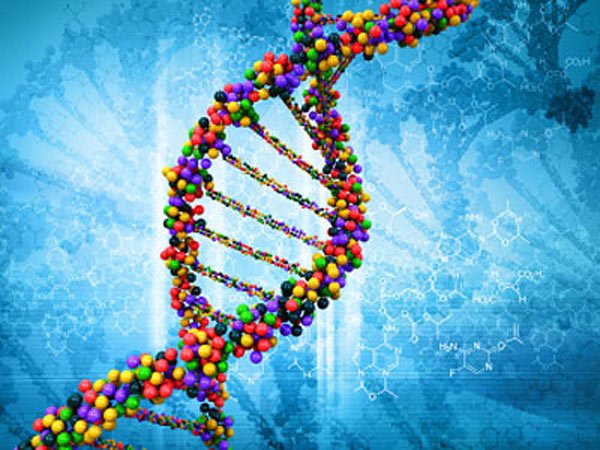
What is the name of the genetic material that is inside the nucleus?
a)
ER
b)
ATP
c)
YOLO
d)
DNA
19.
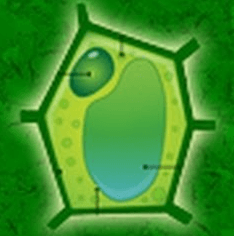
A rigid layer that lies outside the cell's membrane is...
a)
Cytoskeleton
b)
Cilia
c)
Cell Wall
d)
Flagella
20.
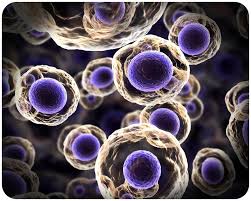
The two kinds of cells are Prokaryotes and Eukaryotes. How are they different?
a)
Prokaryotes have a nucleus.
b)
Eukaryotes have a nucleus.
c)
Prokaryotes are plant cells.
d)
There is no difference.
100 %

