wayground logo

Free Printable Worksheets

Font size

S
M
L
XL
Worksheets

Respiratory Exam

Total questions: 27

Worksheet time: 17mins

Name
Class
Date
1.
EXHALE!!!
My lungs are __________________ air. 
a)
taking in
b)
letting out
2.
Inhale!!!!
Your lungs are ___________  air
a)
taking in
b)
letting out
3.
What is the main function of the respiratory system?
a)
to provide oxygen and remove carbon dioxide from the body
b)
to bring oxygen to the body
c)
to break down food and absorb nutrients
d)
to remove oxygen from the body and deliver carbon dioxide
4.
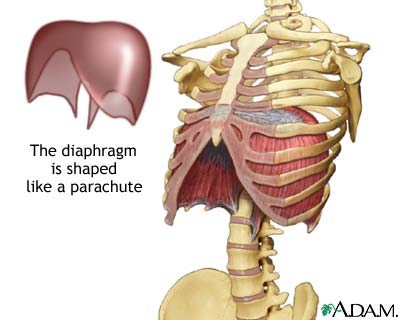
What is function of the dome-shaped diaphragm?
a)
This is where gas exchange happens.
b)
Air passes through the diaphragm on the way to the lungs.
c)
It attaches to the lungs to help in breathing.
d)
It is under the lungs and keeps them from falling down to your stomach.
5.
When you breathe, your lungs take in ___ and remove ___. 
a)
air/oxygen
b)
oxygen/carbon dioxide 
c)
carbon dioxide/waste 
d)
waste/air 
6.
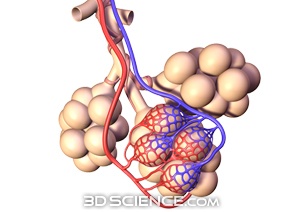
The air sacs that are covered with capillaries where gas exchange takes place
a)
bronchi
b)
lungs
c)
oxygen
d)
alveoli
7.
The two main branches from the trachea (one to each lung)
a)
bronchi
b)
alveoli
c)
capillaries
d)
bronchioles
8.
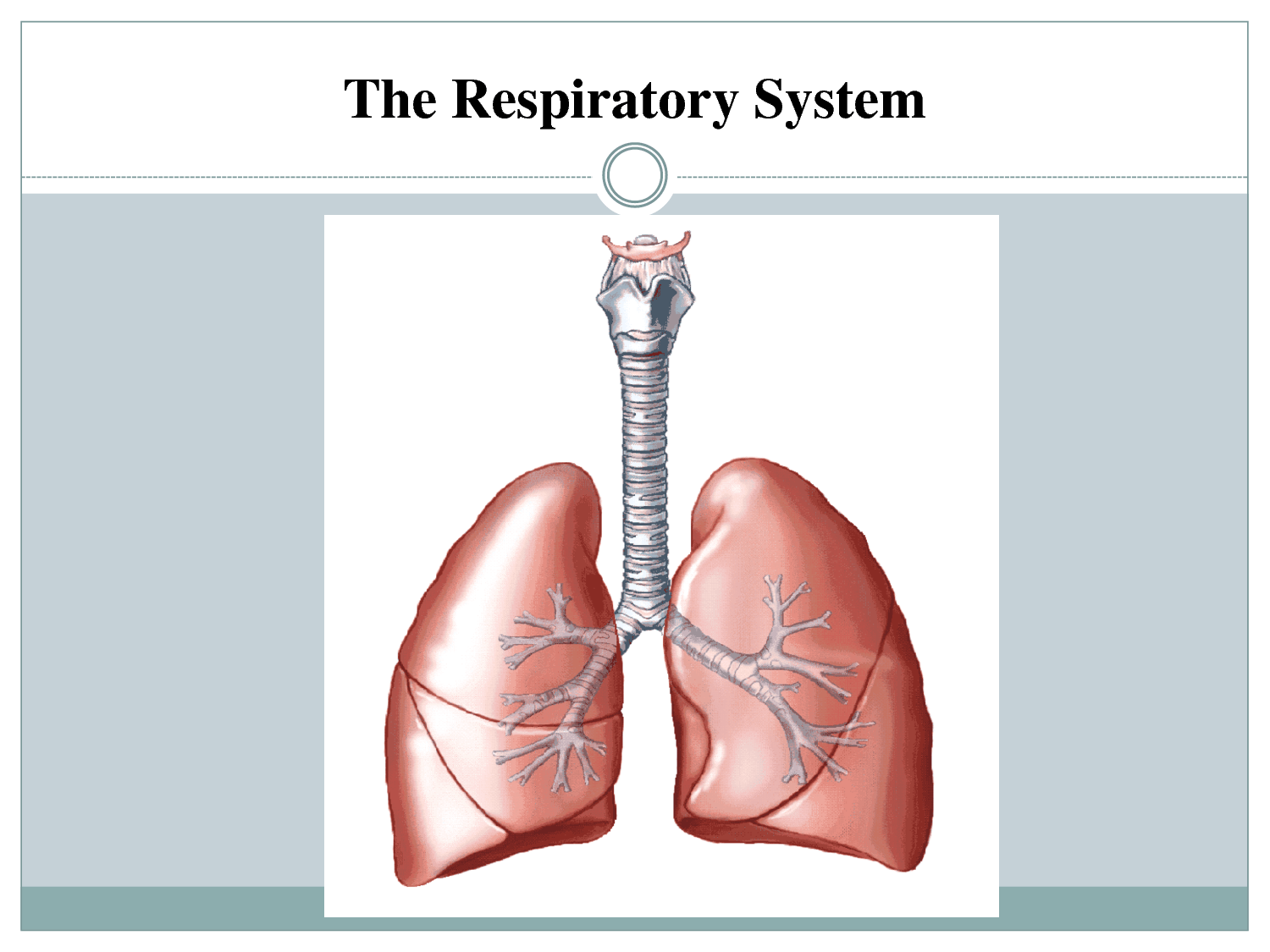
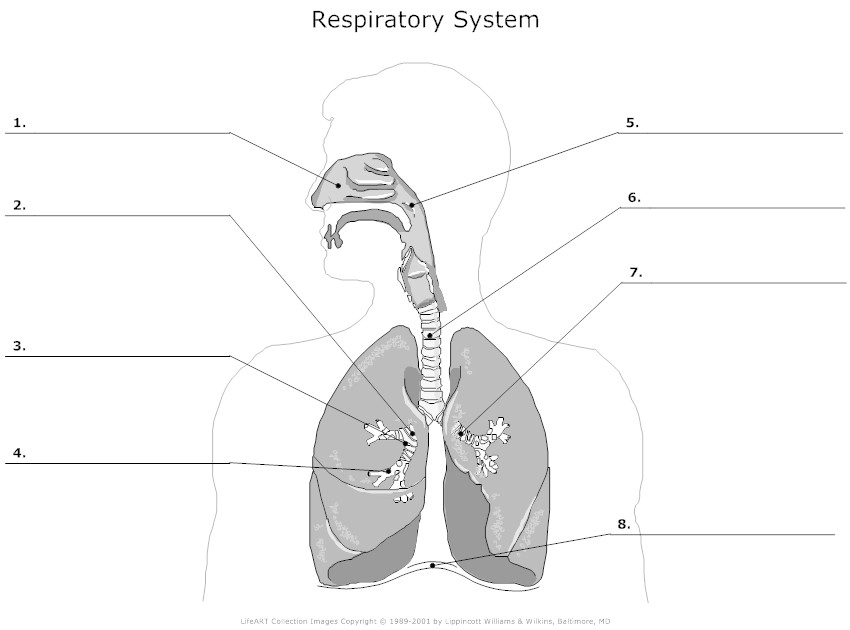
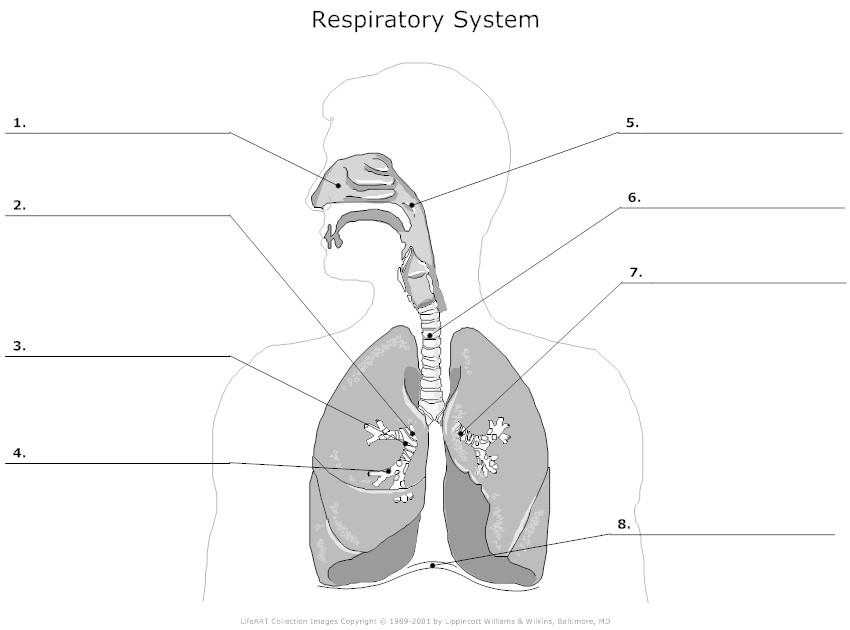
Name the organ label # 6. 
a)
alveoli 
b)
bronchi 
c)
trachea 
d)
lungs 
9.
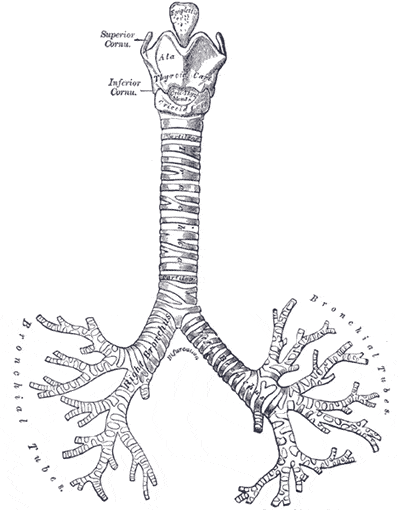
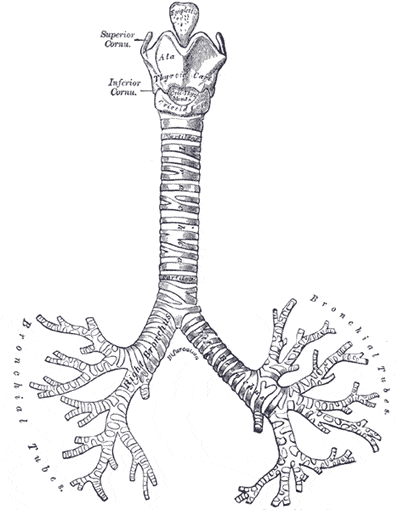
What is tube that is also known as your wind pipe?
a)
esophogus
b)
bronchi
c)
trachea
d)
alveoli
10.
Name the structure labeled 8 
a)
lungs 
b)
trachea 
c)
diaphragm 
d)
alveoli 
11.
Flap of skin that covers the opening to the windpipe during swallowing
a)
Stomach
b)
Trachea
c)
Pancreas
d)
Epiglottis
12.
The Pharynx is the muscle that moves the lungs
a)
True
b)
False
13.
What does the Larynx hold ?
a)
The larynx holds the whole respitory system. 
b)
The larynx holds the trachea. 
c)
The larynx holds the vocal chords. 
d)
The larynx hold the wind pipe. 
14.
Given the following structures:
1. larynx
2. nasal cavity
3. pharynx
4. trachea
Which of the following is the correct order that air would flow during inhalation. 
a)
1,2,3,4
b)
2,3,1,4
c)
2,1,3,4
d)
4,2,3,1 
15.
Which of the following correctly describe breathing?
a)
Chemcially breakdown of food to provide energy for the body cells
b)
Physical process of taking in air and removing it from the body
c)
Physical action of the moving of the lungs cavity
d)
None of the above
16.
When you inhale, your lungs:
a)
Expand
b)
Turn purple
c)
Smaller
d)
Do a dance
17.
What keeps mucus and dirt out of your lungs?
a)
Your diaphragm
b)
Your medula
c)
Your heart
d)
Cilia
18.
Low pressure in the chest cavity
a)
Inhale
b)
Exhale
19.
High pressure in the chest cavity
a)
Inhale
b)
Exhale
20.
AKA the voice box
a)
Alveoli
b)
Larynx
c)
Trachea
d)
Bronchioles
21.

What occurs during inhalation?

a)

Pressure increases in the lungs

b)

Ribcage expands

c)

Diaphragm contracts

d)

Lungs fill with air

e)

Chest cavity shrinks

22.

What occurs during exhalation?

a)

Pressure decreases in the lungs

b)

Ribcage contracts

c)

Diaphragm relaxes

d)

Lungs empty out

e)

Chest cavity grows

23.

Which chemical is sensed by the brain that signals an increase in breathing rate?

a)

O2

b)

CO2

c)

N2

d)

CO

24.

Which brain structures regulate breathing rate?

a)

Cerebreum

b)

Medulla

c)

Pons

d)

Cerebellum

25.

Amount of air that stays trapped in alveoli

a)

vital capacity

b)

tidal volume

c)

residual volume

d)

hyperpnea

26.

volume of air exchanged during normal inspiration and expiration

a)

inspiratory reserve

b)

vital capacity

c)

residual volume

d)

tidal volume

27.

Amount of air that can be forced in or out of your lungs

a)

tidal volume

b)

vital capacity

c)

residual volume

d)

expiratory reserve volume