
 Worksheets
Practice Community Interactions
Total questions: 22
Worksheet time: 21mins
Name
Class
Date
1.

What type of relationship is shown here
a)
Commensalism
b)
Predation
c)
Parasitism
d)
Mutualism
2.

A relationship between two organisms in which one organism benefits and the other is unharmed
a)
Mutualism
b)
Competition
c)
Parasitsm
d)
Commensalism
3.

Barnacles create home sites by attaching themselves to whales. The whale is unaffected.
a)
commensalism
b)
mutualism
c)
predation
d)
laziness
4.

Honey guide birds alert and direct badgers to bee hives. The badgers then expose the hives and feed on the honey first. Then the honey guide birds eat.
a)
mutualism
b)
commensalism
c)
predation
d)
competition
5.

A cuckoo may lay its eggs in a warbler's nest. The cuckoo's young will displace (or move) the warbler's young and will be raised by the warbler.
a)
Parasitism
b)
Commensalism
c)
Predation
d)
Competition
6.
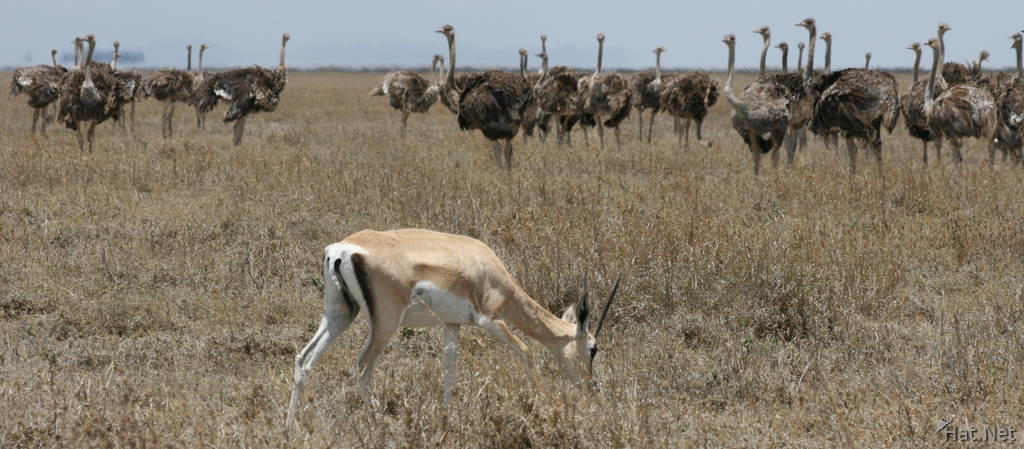
Ostriches and Gazelles feed next to each other. They both watch for predators and alert each other to danger. Since the visual abilities of the two species are different, they can each identify threats the other animal would not as readily see.
a)
Parasitism
b)
Commensalism
c)
Mutualism
d)
Competition.
7.

A bird makes a nest in a tree. The bird gets a house, but the tree is unharmed.
a)
commensalism
b)
mutualism
c)
Parasitism
d)
predation
8.

A squirrel hides his acorns from the chipmunks for the winter.
a)
commensalism
b)
parasitism
c)
competition
d)
mutualism
9.

A bear eats fish out of the river.
a)
mutualism
b)
parasitism
c)
predator / prey
d)
host / parasite
10.

In the relationship between a lion and a gazelle, who is the prey?
a)
Gazelle
b)
lion
c)
grass
d)
none
11.

What is the substance a poisonous snake might use to stun its prey?
a)
saliva
b)
slime
c)
sticky sap
d)
Venom
12.

The close external resemblance of an animal or plant to another animal, plant, or object.
a)
Camouflage
b)
Hide
c)
Mimicry
d)
Invisible
13.

To blend in with surroundings or background.
a)
Invisible
b)
Mimicry
c)
Hiding
d)
Camouflage
14.
To a monkey food, water, and living space are valuable ______.
a)
resources
b)
living space
c)
competition
d)
waste
15.
Most animals have ________ for food, water, and living space.
a)
competition
b)
fun
c)
predation
d)
commensalism
16.

Dwarf mistletoe is a plant that grows into the bark of a tree to obtain water and nutrients. The mistletoe is a ______________
a)
prey
b)
parasite
c)
predator
d)
niche
17.
What type of symbiosis?
* Hummingbirds feed on nectar from flowers.
* Flowers are pollinated by hummingbirds as they move from flower to flower.
* Hummingbirds feed on nectar from flowers.
* Flowers are pollinated by hummingbirds as they move from flower to flower.
a)
commensalism
b)
mutualism
c)
parasitism
d)
predation
18.
What type of symbiosis?
*The tick lives on dog and feeds on its blood and tissue.
* The dog gets skin irritation and can pick up diseases carried by tick.
*The tick lives on dog and feeds on its blood and tissue.
* The dog gets skin irritation and can pick up diseases carried by tick.
a)
commensalism
b)
mutualism
c)
parasitism
d)
predfation
19.
What type of symbiosis?
*Remora use suckers to attach temporarily to large marine animals such as sharks, manta rays, whales, turtles, or large fish.
*The shark provides free transportation, protection, and dropped food and feces which the remora feeds on. The host is not injured.
*Remora use suckers to attach temporarily to large marine animals such as sharks, manta rays, whales, turtles, or large fish.
*The shark provides free transportation, protection, and dropped food and feces which the remora feeds on. The host is not injured.
a)
commensalism
b)
mutualism
c)
parasitism
d)
predation
20.
What type of symbiosis?
*The plover picks and eats scraps of meat from the crocodile’s teeth.
*The crocodile gets a free teeth-cleaning!
*The plover picks and eats scraps of meat from the crocodile’s teeth.
*The crocodile gets a free teeth-cleaning!
a)
commensalism
b)
mutualism
c)
parasitism
d)
predation
21.
Barnacles create home sites by attaching themselves to whales. This neither harms nor benefits the whales. What kind of relationship is this?
a)
Mutualism
b)
Parasitism
c)
Commensalism
22.
A frog eats a fly. The frog and fly are demonstrating ________.
a)
mutualism
b)
competition
c)
predator/prey
d)
parasitism
100 %

