wayground logo

Free Printable Worksheets

NEW

Font size

S
M
L
XL
Worksheets

Community Ecology

Total questions: 21

Worksheet time: 24mins
Name
Class
Date
1.
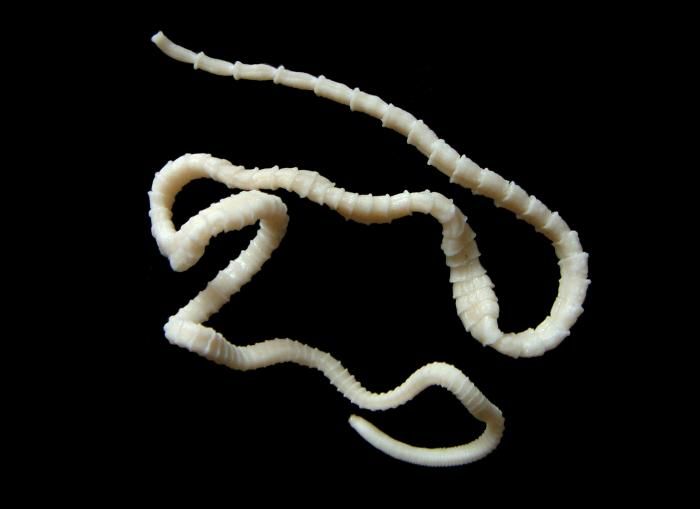
A tapeworm and a cat have this type of relationship.
a)
mutualism
b)
parasitism
c)
commensalism
d)
competition
2.

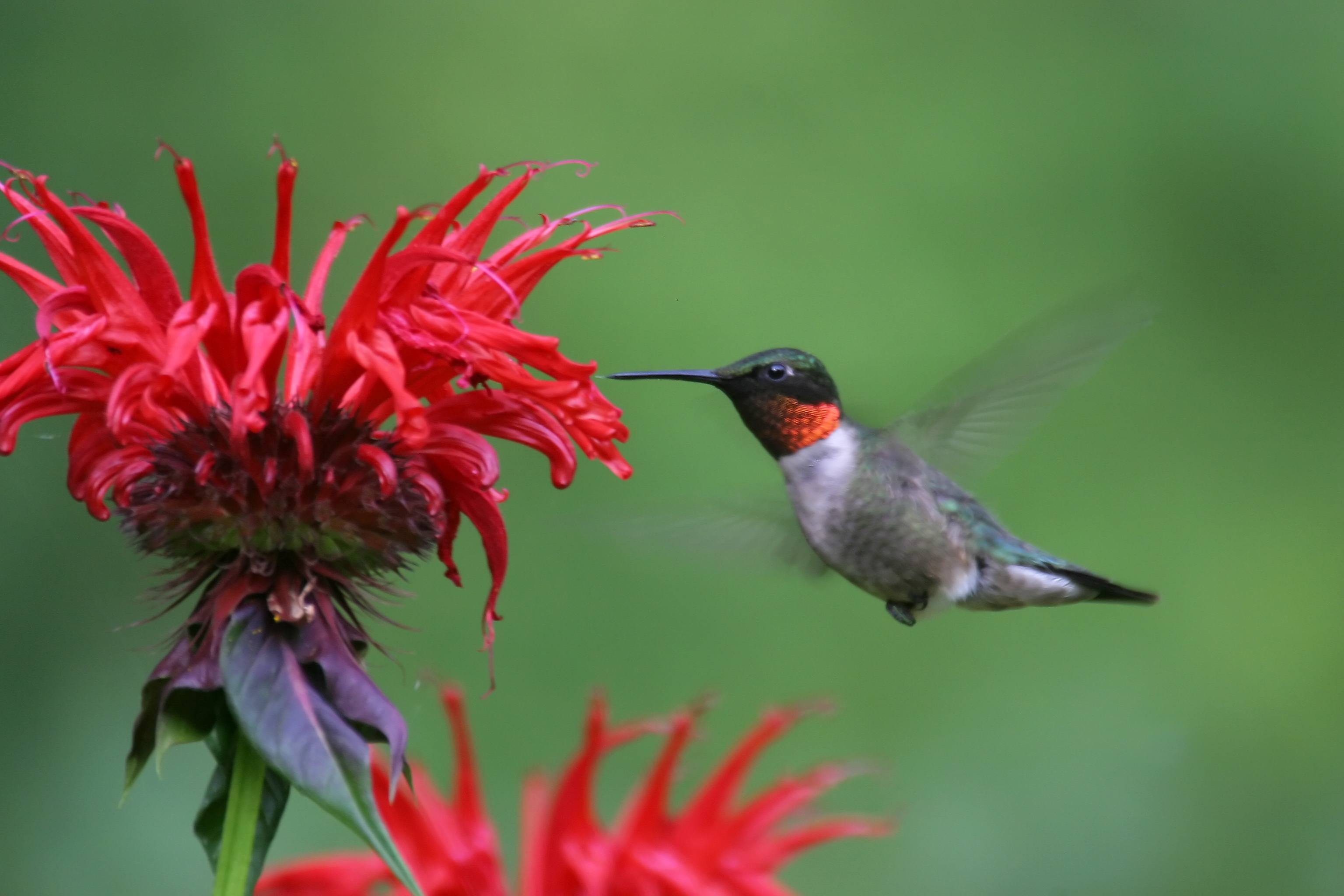
Type of symbiosis: Hummingbirds feed on nectar from flowers. The flowers are pollinated by hummingbirds as they move from flower to flower.

a)

commensalism

b)

mutualism

c)

parasitism

d)

predation

3.

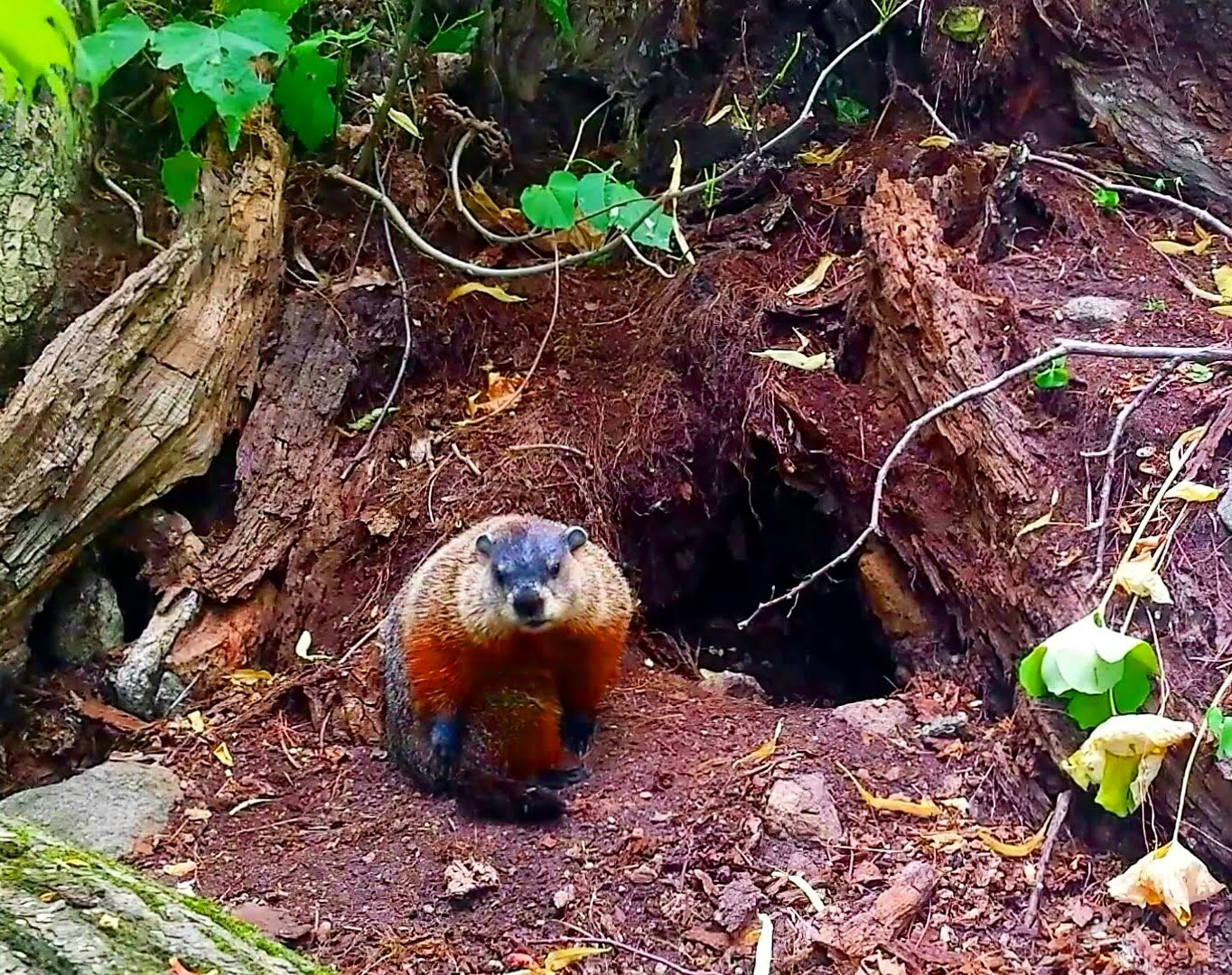
Type of symbiosis: Skunks often live in burrows that have been dug and abandoned by woodchucks.

a)

commensalism

b)

mutualism

c)

parasitism

d)

predation

4.

Bird & Tree: A bird builds a nest in a hole in the trunk of the tree. It is protected from the rain and predators. The tree is not harmed or helped by the bird.

a)

Mutualism

b)

Commensalism

c)

Parasitism

d)

Competition

5.
A human & a Tape Worm: The tape worm gets a place to live in the intestines of the human and food from the human. The human loses weight and nutrients from the tape worm.
a)
Mutualism
b)
Commensalism
c)
Parasitism
6.
Bees use flower nectar for food, and they carry flower pollen to other flowers, allowing the flower to reproduce.
a)
Mutualism
b)
Commensalism
c)
Parasitism
7.
Starfish are probably the most important predator in the shallow ecosystem because they eat basically anything that they can come across. Their feeding activities control the whole ecosystem. This is an example of the starfish ___.
a)
habitat
b)
biotic factors
c)
tolerance level
d)
niche
8.
Tree kangaroos live in the upper branches of trees in the rainforests of Queensland, as well as on the island of New Guinea. This is an example of the tree kangaroos ___.
a)
niche
b)
habitat
c)
community
d)
population
9.
A relationship in which two species live closely together.
a)
resource
b)
mutualism
c)
succession
d)
symbiosis
10.
What is the name of an animal that is hunted and eaten by other animals?
a)
producer
b)
prey
c)
predator
d)
decomposer
11.

What level of ecological organization would include all squirrels that live in the same area?

a)

biome

b)

community

c)

ecosystem

d)

population

12.
All the different populations that live together in an area make up a(n)
a)
community.
b)
ecosystem.
c)
organism.
d)
species.
13.
Several species of warblers can live in the same spruce tree ONLY because they
a)
have different habitats within the tree.
b)
don’t eat food from the tree.
c)
occupy different niches within the tree.
d)
can find different temperatures within the tree.
14.

A symbiotic relationship in which one organism is harmed and another benefits is

a)

mutualism

b)

parasitism.

c)

commensalism.

d)

predation.

15.
Is a concentrated area with abundant populations of one plant, animal or other living organism (where something lives)
a)
Habitat
b)
Niche
c)
Ecosystem
d)
Ecology
16.
Are unique relationships developed over time by organisms needing to adapt to  various ecosystems within their habitat
a)
Habitat
b)
Niche
c)
Ecosystem
d)
Ecology
17.
All of the following statements concerning characteristics of predator-prey relationship are correct EXCEPT:
a)
Camouflage is an adaptation that protects prey.
b)
A rise in the population of predators is followed by a decreased in the population of prey.
c)
A rise in the population of prey is often followed by a rise in the population of predators.
d)
The population of predators most often eliminates the population of prey
18.
When two species of cattails are grown together, they grow at different water depths and coexist.  When grown alone, they grow at similar water depths.  Which of the following is best demonstrated by the data?
a)
natural selection
b)
character displacement
c)
resource partitioning
d)
ecological succession
19.
Many poisonous animals are brightly colored (red or orange) as a warning to predators.  The special coloration is called
a)
Mullerian mimicry
b)
Batesian mimicry
c)
aposematic coloration 
d)
mutualistic coloration
20.
Which of the following represents several species of brightly colored, harmless snakes looking like poisonous coral snakes?
a)
commensalism
b)
mutualism
c)
batesian mimicry
d)
mullerian mimicry
21.
Which of the following represents several species of poisonous snakes bearing bright colors of red, black, and yellow?
a)
commensalism
b)
mutualism
c)
batesian mimicry
d)
mullerian mimicry