wayground logo

Free Printable Worksheets

Font size

S
M
L
XL
Worksheets

Land Formation

Total questions: 20

Worksheet time: 1hrs 4mins

Name
Class
Date
1.
The process by which water, ice, wind or gravity moves weathered rock and soil from one place to another.
a)
weathering
b)
erosion
c)
deposition
d)
dumptruck
2.

Waves dropping sand on the beach is an example of what?

a)

Weathering

b)

Erosion

c)

Deposition

d)

Compaction

3.

Deltas forming at the mouths of rivers are examples of what?

a)

Weathering

b)

Erosion

c)

Deposition

d)

Compaction

4.

The process of breaking up rocks on Earth's surface is known as what?

a)

sediment

b)

erosion

c)

weathering

d)

deposition

5.
What is sediment?
a)
the process of rocks being broken down and carried away
b)
bits of rock and sand caused by the weathering of rocks
c)
the top layer of the soil
d)
decaying plant or animal material 
6.

Select 3 ways sediment can be moved to a new location: (Select ALL that apply)

a)

Snow

b)

Ice

c)

Water

d)

Wind

7.
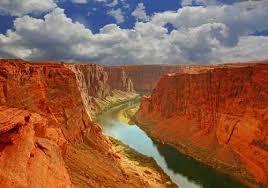
What land form is this?
a)
valley
b)
canyon
c)
mountain
d)
plain
8.
What land form is this?
a)
plain
b)
valley
c)
mountain
d)
canyon
9.

A fan-shaped landform created by sediment being deposited at the mouth of a river.

a)

Delta

b)

Canyon

c)

U-Shaped Valley

d)

Sand Dunes

10.

Formed when water acts as an agent of weathering and erosion. The water breaks the rocks into sediment and carries the sediment away.

a)

U-Shaped Valley

b)

Sand Dunes

c)

Canyon

d)

Delta

11.

Formed by a glacier as it slowly moved forward.

a)

Delta

b)

Canyon

c)

U-Shaped Valley

d)

Sand Dunes

12.

A hill or ridge of sand, formed when wind erodes sand and deposits sand in new locations.

a)

Canyon

b)

Sand Dunes

c)

Delta

d)

U-Shaped Valley

13.
Water getting into cracks, freezing, and breaking the rocks or pavement apart
a)
Weathering
b)
Erosion
c)
Deposition
14.
Glaciers are masses of ice that move slowly on land. Which of these features was most likely formed by a glacier?
a)
A wide valley
b)
A deep ocean
c)
A lava flow
d)
A mountain range
15.
The type of formation shown is at the southern end of the Mississippi river. What is it called?
a)
coastal erosion
b)
a delta
c)
a loess
d)
sand dunes
16.

Which of the following actions causes the deposition of sediments at a delta?

a)

river water slowing as it enters the ocean

b)

salt water & fresh water mixing together

c)

ocean waves transporting sand toward land

d)

ocean water slowing as it reaches the coast

17.
A delta forms when the river meets the ocean because:
a)
the river is colder than the ocean.
b)
the river slows down and drops sediments.
c)
the Earth builds up pressure in the river.
18.
What is necessary for sand dunes to form?
a)
a loose sand and strong wind
b)
pressure in the Earth
c)
ice glaciers
19.
Canyons are formed when water deposits sediments at the mouth of a river.
a)
True
b)
False
20.
Rain washing away soil from a hillside
a)
Weathering
b)
Erosion
c)
Deposition