
 Worksheets
Rate of Reactions
Total questions: 25
Worksheet time: 25mins
What happens to the rate of a reaction when the temperature increases?
The reaction rate slows down because the molecules are moving faster.
The reaction rate slows down because the molecules are moving slower.
The reaction rate goes faster because the molecules are moving faster.
The reaction rate goes faster because the molecules are moving slower.
Which factors increase the rate of a reaction.
increasing temperature
increasing concentration
increasing surface area
all of these
Which factors affect the rate of a reaction?
SELECT ALL THAT APPLY.
temperature
concentration
surface area
pressure
catalyst
In a chemical reaction, if the reactants are heated, the reaction usually happens
Faster
Slower
At the same rate
In a smaller volume
If the concentration of a reactant is increased, what is the effect on the rate of reaction?
The rate of reaction decreases.
The rate of reaction increases.
The rate of reaction remains unchanged.
The reaction stops.

which factor that affect reaction rate is represented?
Temperature
Catalyst
Surface Area
Concentration
What effect does increasing the concentration of reactants have on the rate of reaction?
It decreases the rate of reaction.
It has no effect on the rate of reaction.
It increases the rate of reaction.
It stops the reaction.
Which of the following factors does NOT affect the rate of a chemical reaction?
Temperature
Concentration of reactants
Color of reactants
Surface area of reactants
How does increasing the temperature generally affect the rate of a chemical reaction?
It decreases the reaction rate.
It has no effect on the reaction rate.
It increases the reaction rate.
It stops the reaction.

In standard conditions data for line B was recorded. If we run the reaction again with reactants at lower concentrations, which line of data would likely be recorded?
A
B, again
C
No reaction occurs
A substance that increases speed of chemical reaction without being being changed is called:
Catalyst
Acid
Base
Exposing more particles for collisions (breaking big pieces into smaller pieces) is an increase in
concentration
surface area
temperature
catalyst
Increasing the concentration increases the speed of reaction by
lowering activation energy
increasing collisions
speeding up the reactants
exposing more reactant
This slows down or even stops a chemical reaction.
de-activator
catalyst
enzyme
inhibitor
If more reactants are used in a chemical reaction, more products will be produced. This is because
More reactants cause the reaction to heat up
More reactants take up the same volume
More reactants have more atoms to react to form more products
Too many products can slow down the reaction
Some chemical reactions require a substance called a catalyst. The main purpose of a catalyst is
To warm up the reaction
To speed up the reaction
To create more reactants
To stop the reaction
How does a catalyst work in speeding up a reaction?
By lowering the activation energy or reaction
by making them more available

Breaking a sugar cube into pieces of granulated sugar results in a change in the...
concentration
surface area
temperature
reactants
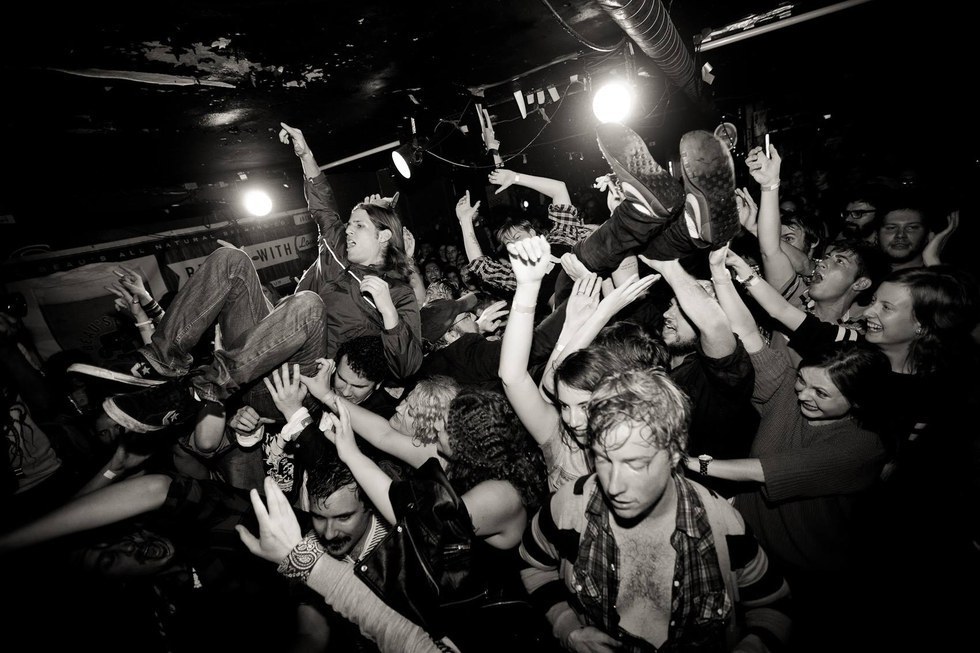
You add more bodies into a "mosh pit" to hope for more collisions. You have increased-
temperature
concentration
pressure
catalyst

Diagram 4 shows the graph of volume of carbon dioxide gas against time when 5 g of marble chips is added to 50 cm3 of 0.2 mol dm-3 hydrochloric acid. At what time the rate of reaction the highest?
t1
t2
t3
t4

Diagram 7 shows a graph of the volume of gas produced against time for the reaction between zinc granules and hydrochloric acid.
The gradient of the graph decreases with time because
catalyst is not used
volume of mixture decreases
temperature of reaction decreases
concentration of hydrochloric acid decreases
The rate of a reaction increases as temperature__________________.
Decreases
Increases
Stays the Same
A ______________ is a substance that increases the rate of a reaction without being used up during the reaction.
catalyst
product
reactant
solute
Which of the following changes will increase the rate of a chemical reaction?
Decreasing the temperature
Adding a catalyst
Decreasing the concentration of reactants
Increasing the particle size
In an experiment, a student observes that a reaction occurs faster when the reactants are in powdered form rather than in large chunks. What is the reason for this observation?
The powdered form has a higher concentration
The powdered form has a larger surface area
The powdered form has a lower activation energy
The powdered form has a higher temperature

