
 Worksheets
IB SEHS Option C
Total questions: 23
Worksheet time: 23mins
Which process is represented by the breakdown of sugar in the absence of oxygen?
Anaerobic anabolism
Aerobic anabolism
Anaerobic catabolism
Aerobic catabolism
Which represents the production of adenosine triphosphate (ATP) via the aerobic glycolysis system?
PC + ADP → 1ATP + C
glucose → pyruvate → 2 ATP + lactate + H+
glucose → pyruvate + O2
→ acetylCoA → Krebs cycle → electron transport chain →
38 ATP + H2
O + CO2
+ heat
ADP + P = ATP

The diagram shows the ultrastructure of a generalized animal cell. What is the main function of the organelle labelled X?
*Make sure to look at the picture.
Protein synthesis
Digestion of macromolecules
Cellular respiration
DNA storage
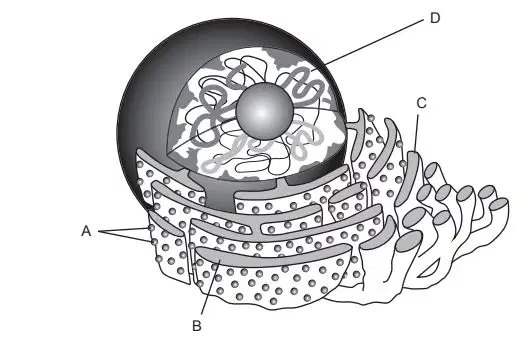
Which represents the rough endoplasmic reticulum?
*Make sure to look at the picture.
A
B
C
D
Which process occures when blood glucose levels are decreased?
Glycolysis
Lipolysis
Glycogenolysis
Glycogenesis
What is the definition of cell respiration?
The controlled release of energy in the form of adenosine triphosphate (ATP) from organic
compounds in cells
The controlled release of energy in the form of adenosine diphosphate (ADP) from organic
compounds in cells
The controlled release of energy in the form of glycogen from organic compounds in cells
The controlled release of energy in the form of carbon dioxide from organic compounds
in cells
Which energy system is the predominant contributor of ATP for a runner participating in a marathon?
ATP–PC system
Anaerobic system
Lactic acid system
Aerobic system
What is an anabolic reaction?
When small molecules are combined into larger molecules
When complex molecules are broken into smaller molecules
When there is a net release of energy
When no energy is used or released within the reaction
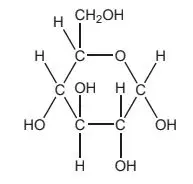
Which molecule is represented by the diagram below?
Glucose
Fat
Amino acid
Protein
What type of process is lipolysis?
Aerobic anabolism
Anaerobic anabolism
Aerobic catabolism
Anaerobic catabolism
What are the products of anaerobic glycolysis?
2 ATP per glucose molecule and lactic acid
2 ATP per glucose molecule and no lactic acid
34–36 ATP per glucose molecule and no lactic acid
34–36 ATP per glucose molecule and lactic acid
Where does salivary amylase break down food?
Mouth
Stomach
Small intestine
Large intestine
Select the correct response for an enzyme
It is a lipid
They are non-specific (they target any molecules)
They work optimally under any pH environment
It is a catalyst that speeds up the breakdown of molecules
Which process is represented by the breakdown of sugar in the absence of oxygen?
Anaerobic anabolism
Aerobic anabolism
Anaerobic catabolism
Aerobic catabolism
Which represents the production of adenosine triphosphate (ATP) via the aerobic glycolysis system?
PC + ADP → 1ATP + C
glucose → pyruvate → 2 ATP + lactate + H+
glucose → pyruvate + O2 → acetylCoA → Krebs cycle → electron transport chain → 38 ATP + H2O + CO2 + heat
ADP + P = ATP
Which process occurs when blood glucose levels are decreased?
Glycolysis
Lipolysis
Glycogenolysis
Glycogenesis
What is the definition of cell respiration?
The controlled release of energy in the form of adenosine triphosphate (ATP) from organic compounds in cells
The controlled release of energy in the form of adenosine diphosphate (ADP) from organic compounds in cells
The controlled release of energy in the form of glycogen from organic compounds in cells
The controlled release of energy in the form of carbon dioxide from organic compounds in cells
Which energy system is the predominant contributor of ATP for a runner participating in a marathon?
ATP–PC system
Anaerobic system
Lactic acid system
Aerobic system
What is an anabolic reaction?
When small molecules are combined into larger molecules
When complex molecules are broken into smaller molecules
When there is a net release of energy
When no energy is used or released within the reaction
What type of process is lipolysis?
Aerobic anabolism
Anaerobic anabolism
Aerobic catabolism
Anaerobic catabolism
What are the products of anaerobic glycolysis?
2 ATP per glucose molecule and lactic acid
2 ATP per glucose molecule and no lactic acid
34–36 ATP per glucose molecule and no lactic acid
34–36 ATP per glucose molecule and lactic acid
Where does salivary amylase break down food?
Mouth
Stomach
Small intestine
Large intestine
Select the correct response for an enzyme
It is a lipid
They are non-specific (they target any molecules)
They work optimally under any pH environment
It is a catalyst that speeds up the breakdown of molecules

