
 Worksheets
Unit 5 APES
Total questions: 15
Worksheet time: 15mins

The amount of biologically productive land and sea area an individual, a region, or a human activity that compete for biologically productive space.
(a)

The extraction level of a resource which does not exceed its growth
(a)

An effective and environmentally sensitive approach to pest management that relies on a combination of common-sense practices
(a)

Cultivation in which different crops are sown in alternate strips to prevent soil erosion
(a)

Making or forming land into a number of level flat areas resembling a series of steps
(a)

The rearing of aquatic animals or the cultivation of aquatic plants for food.
(a)

The single most important source of water in the High Plains region, providing nearly all the water for residential, industrial, and agricultural use.
(a)

A naturally occurring solid material from which a metal or valuable mineral can be profitably extracted.
(a)

Arable land on which no tillage is applied between harvest and sowing
(a)
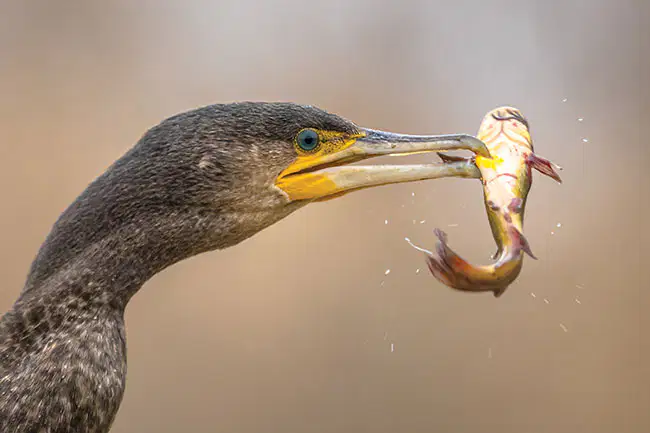
A bird ingesting large quantities of toxic fish is an example of _____ that leads to _____.
biomagnification; bioaccumulation
poor sanitation; compromised health
bioaccumulation; biomagnification
health risks; death

Photochemical smog is created in the presence of sunlight and
CO abd NOx
VOCs and SO2
CO and NOx
SO2 and NOx

Which of the following might decrease global atmospheric carbon dioxide?
Increase in plant populations and biomass
Increasing human population
Deforestation
Volcanic eruptions
Which of the following is a primary focus of Unit 5 in AP Environmental Science (APES)?
Biodiversity and conservation
Land and water use
Atmospheric pollution
Energy resources and consumption
In the context of Unit 5 APES, which practice is most effective in reducing soil erosion in agricultural lands?
Monoculture farming
Deforestation
Contour plowing
Overgrazing
Unit 5 of APES often discusses sustainable agriculture. Which of the following is a key principle of sustainable agriculture?
Maximizing chemical fertilizer use
Promoting genetic diversity
Increasing monoculture practices
Relying solely on fossil fuels

