
 Worksheets
Interactions in Ecosystem
Total questions: 15
Worksheet time: 15mins

This is known as a relationship in which both organisms involved benefit.
Predator-Prey
Commensalism
Mutualism
Decomposition

A feeder fish usually follows behind sharks to pick up food scraps that they leave behind. The fish gets food and the shark is unaffected. This is an example of:
Mutualism
Commensalism
Parasitism
Decomposition
After walking through a field, you find a tick attached to your leg. What is the tick's relationship to you?
Predator
Decomposer
Producer
Prey
An organism that kills and eats another for food
Predator
Prey
Parasite
Plant
Occurs when 2 or more organism use the same resource
Competition
Mutualism
Commensalism
Parasitism
A close long term association between 2 or more species
Mutualism
Commensalism
Symbiosis
Parasitism
Relationship where both organism benefit
Competition
Commensalism
Mutualism
Parasitism
Relationship where one organism benefits and the other is neither harmed nor helped
Commensalism
Parasitism
Mutualism
Competition
An organism where one organism benefits and another is harmed
Commensalism
Parasitism
Mutualism
Competition
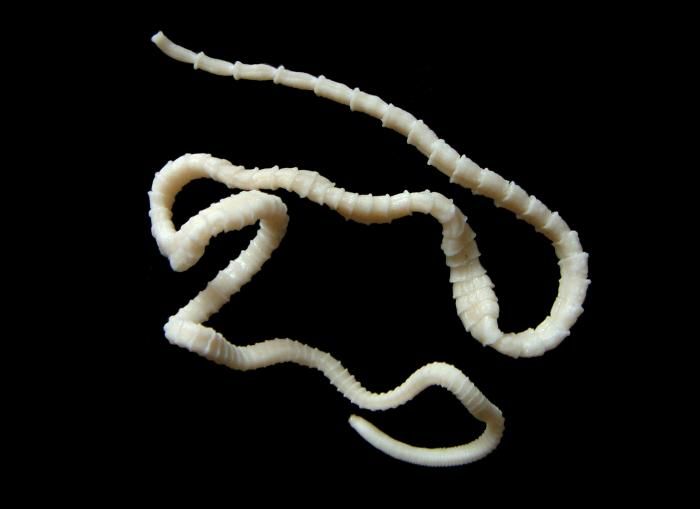
A tapeworm and a cat have this type of relationship.
mutualism
parasitism
commensalism
competition
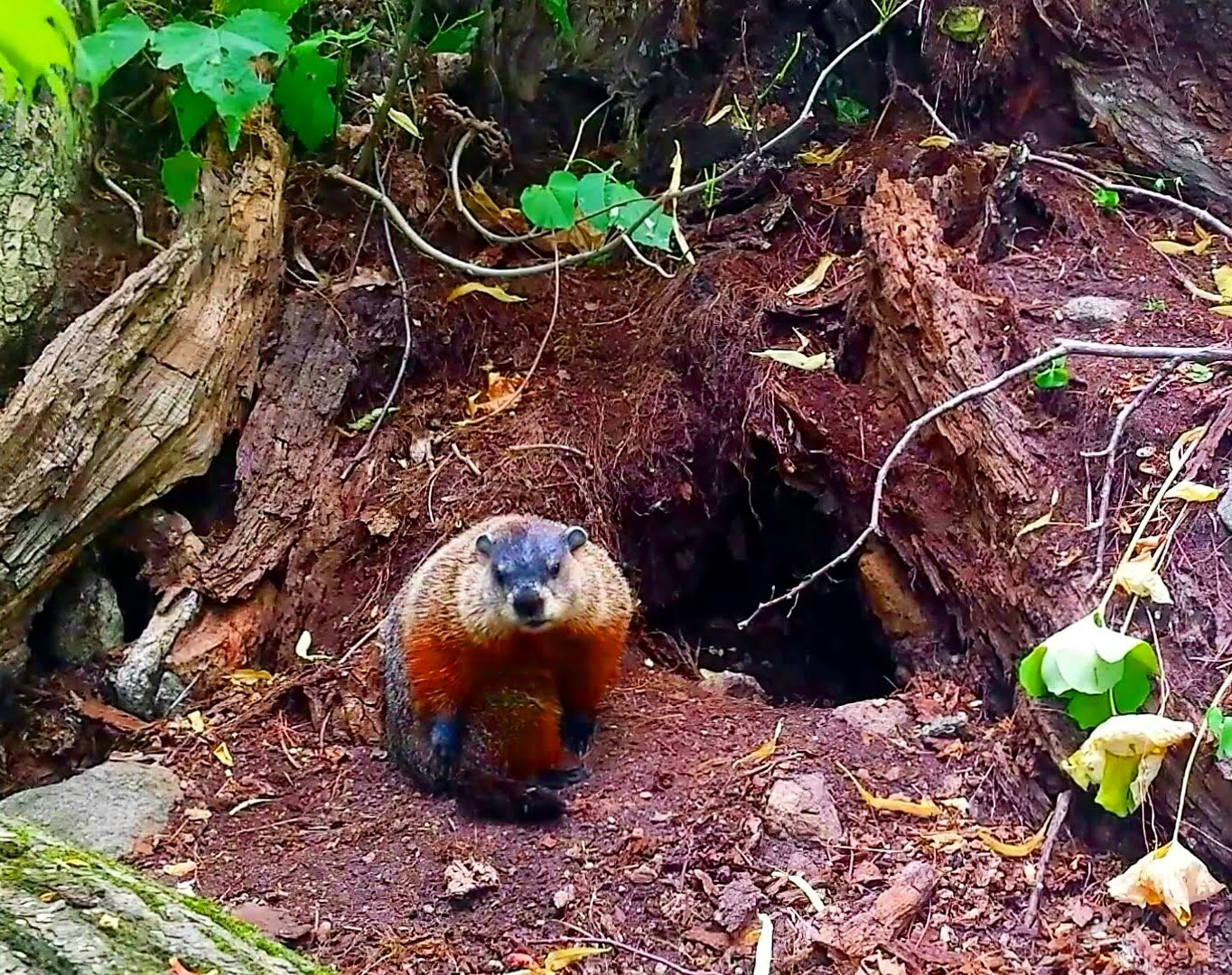
What type of symbiosis? Skunks often live in burrows that have been dug and abandoned by woodchucks.
commensalism
mutualism
parasitism
predation
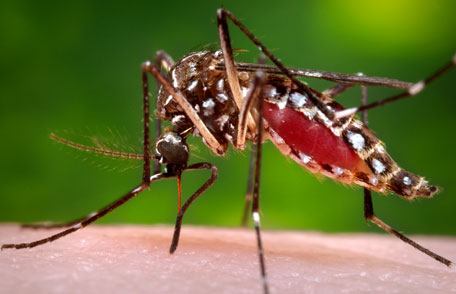
When a mosquito bites you, you are the __________ and the mosquito is the ____________.
host, hostess
parasite, host
host, parasite
prey, predator
Which of the following is an example of mutualism in an ecosystem?
A bee pollinating a flower
A lion hunting a zebra
A fungus decomposing a log
A tick feeding on a dog
In a food web, what role do decomposers play?
They produce energy from sunlight
They break down dead organisms
They compete with predators
They provide shelter for prey
What is the primary source of energy for most ecosystems?
Wind
Water
Sunlight
Soil

