
Font size
 Worksheets
Water Property
Total questions: 25
Worksheet time: 25mins

The water droplets on the outside of this glass of water is showing the following phase change
melting
evaporation
freezing
condensation
At what altitude did the boiling point of water never exceed 88 °C, according to the article?
At sea level
In the Himalayas, at about 1,200 feet
In the Himalayas, at about 12,000 feet
At the top of Mount Everest
What is the reason for water boiling at a lower temperature at high altitudes?
Because the atmospheric pressure is higher
Because the water is purer
Because the atmospheric pressure is lower
Because of the presence of salt
What happens to the boiling point of water when salt is added?
It decreases
It remains the same
It increases
It becomes unpredictable
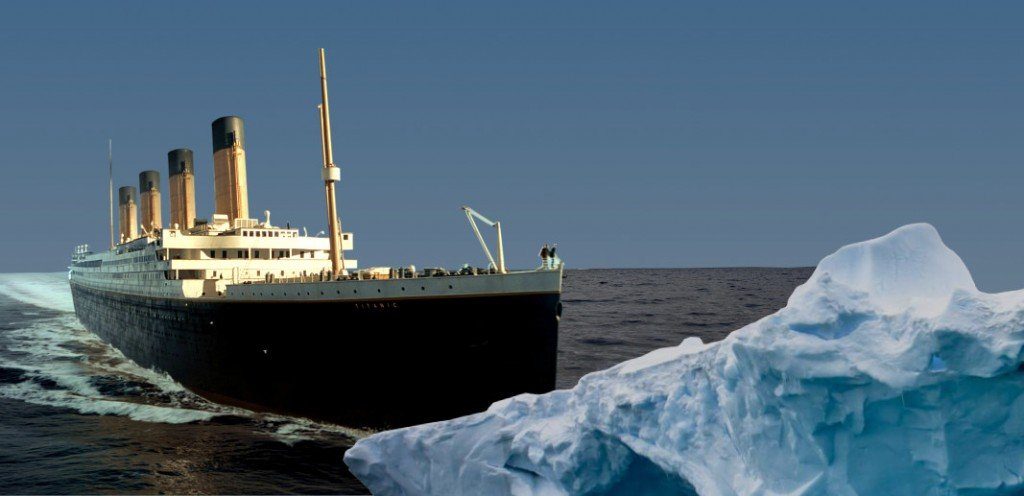
When water freezes in the ocean, the ice floats to the surface. What property explains this phenomenon?
water expands when it freezes, making ice less dense than water
water compacts when it freezes, making ice more dense than water
hydrogen bonds in water push the ice to the surface
ice is afraid of water, and avoids it

If this is a floating ice sheet, which property of water is this polar bear relying on?
Surface Tension
Cohesion
Adhesion
Density
By how much does the boiling point of water increase if you add 20 grams of salt to five litres of water?
140.00° C
104.00° C
100.04° C
100.4° C
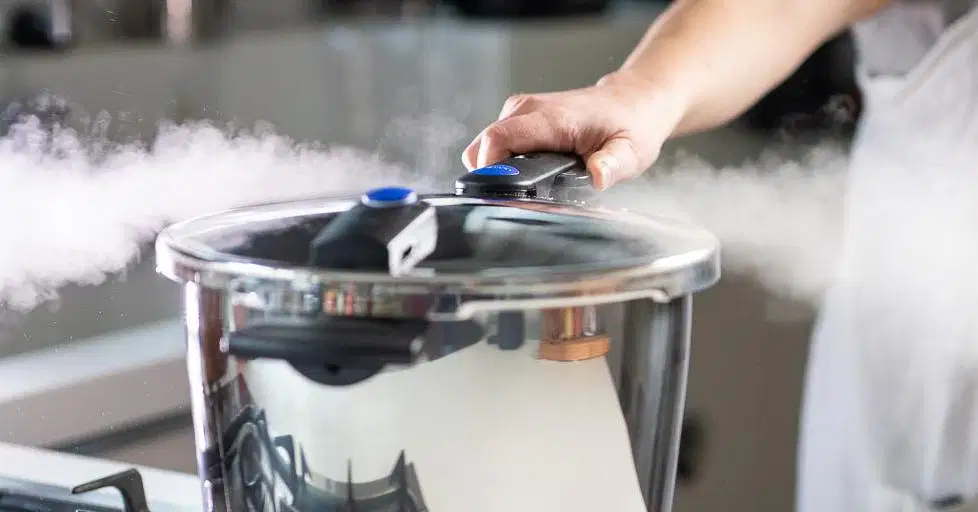
The higher pressure inside a pressure cooker (a) the boiling point of water.
increases
decreases
What is the point where a liquid changes to gas a gass called
Melting Point
Boiling Point
Water is a universal solvent because it...
It can be found anywhere
It freezes when it gets cold
floats when frozen 冻结时会漂浮
Dissolves most substances

What property of water causes these tablets to dissolve?
universal solvent
expansion Upon Freezing
cohesive Behavior
ability to moderate temperature

Blood functions as a transport mechanism to take nutrients and oxygen to all cells in the body. What property of water allows for this to occur?
Expansion Upon Freezing
Universal Solvent
Cohesive Behavior
Ability to Moderate Temperature
Describe the movement of the water molecules at cold temperatures.
They join together and move slowly
They move very fast and erratically (疯狂的)
Describe the movement of the water molecules at hot temperatures.
They join together and move slowly.
They move very fast and erratically (疯狂的).
Water has high specific heat. Meaning, it takes _____ time to warm up a large amount of water. 水的比热容高,也就是说,加热水需要的时间长/短
long
short
frozen water is called
ICE
LIQUID
HEATING
Water molecules sticking to other things is ______?
Cohesion
Adhesion
Surface Tension
Water molecules attraction to itself ?
Cohesion
Adhesion
Surface Tension
This allows water to move up plants xylems.
Adhesion
Cohesion
Surface tension
What property of water allows water molecules to stick to each other?
cohesion
adhesion
capillary action
Which property of water allows it to dissolve many substances, making it known as the 'universal solvent'?
Cohesion
Adhesion
Polarity
Surface tension
What is the primary reason ice floats on water?
Ice is denser than water
Ice has a lower density than water
Ice has a higher surface tension
Ice is more cohesive than water
How does the high specific heat capacity of water affect Earth's climate?
It causes rapid temperature changes
It stabilizes temperatures by absorbing heat
It leads to extreme weather conditions
It prevents water from freezing
What happens to water molecules when water is heated from 0°C to 100°C?
They move closer together
They move further apart
They remain stationary
They form a solid structure
Which experiment would best demonstrate water's surface tension?
Measuring the boiling point of water
Floating a needle on the surface of water
Mixing water with oil
Freezing water into ice cubes

