
NEW
Font size
 Worksheets
Stars vs Planets
Total questions: 25
Worksheet time: 25mins
Planets are smaller than stars
true
false
Stars are much farther away than planets
true
false

What word best describes our sun?
Average
Supergiant
Dwarf
Red Giant

What is the name of baby stars?
Dwarf
Supergiant
Protostars
Nebulas
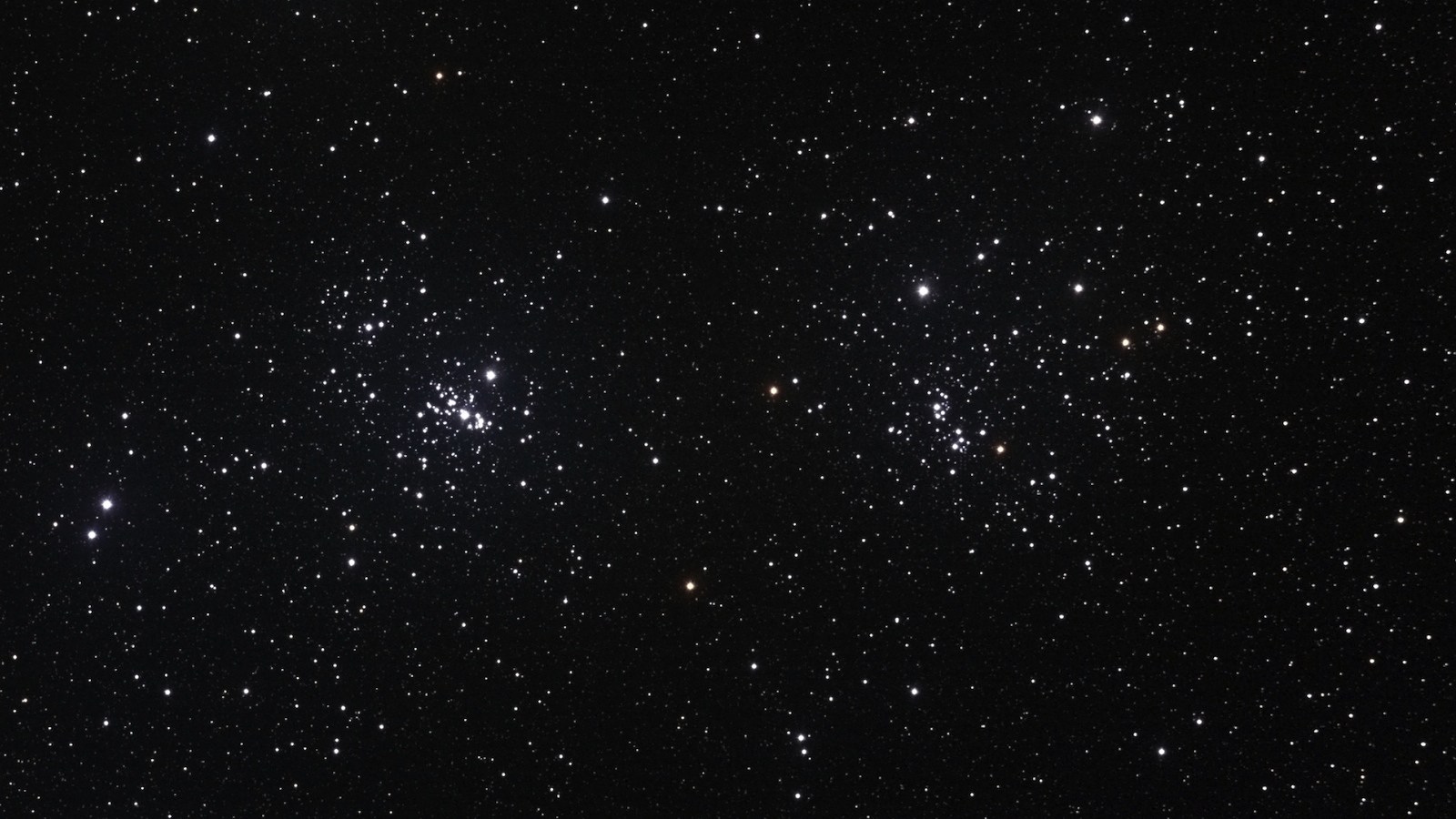
True or False
Stars are really close together in outer space.
True
False

What are stars?
Rocky bodies
Hot exploding balls of gas
5 pointed shapes
Hollywood actors
Planets do NOT do this; but stars do
rotate
revolve
orbit
twinkle
What is a planet?
A hot ball of gas
A body that orbits around another planet
Something that can produce its own light
A large body in space that orbits a star
Why do stars have different colors?
They have different compositions
They have different Snapchat filters
They have different temperatures
They different luminosity
Sphere shaped
planets
stars
both planets and stars
Differ in size
planets
stars
both planets and stars
A planet is...
...a hot ball of gas.
...something that can produce its own light.
...a body that orbits around another planet.
...a body of rock or gas that orbits a star.
Makes their own light
Planets
Stars
Both
Does not move
Planets
Stars
Both
Are round in shape
Planets
Stars
Both
What is the primary difference between stars and planets in terms of light emission?
Stars emit their own light, while planets reflect light from a star.
Planets emit their own light, while stars reflect light from a planet.
Both stars and planets emit their own light.
Neither stars nor planets emit their own light.
Which of the following is a characteristic of stars but not planets?
Having a solid surface
Undergoing nuclear fusion
Orbiting a star
Having moons
What causes stars to twinkle, unlike planets?
Their rapid rotation
Atmospheric turbulence
Their distance from Earth
Their size
Which of the following statements is true about the size comparison between stars and planets?
Stars are generally smaller than planets.
Planets are generally larger than stars.
Stars are generally larger than planets.
Stars and planets are usually the same size.
How do planets differ from stars in terms of their formation?
Planets form from the remnants of a supernova.
Planets form from the accretion of dust and gas in a star's orbit.
Planets form from the collapse of a gas cloud under gravity.
Planets form from nuclear fusion.
Which of the following is true about the orbits of planets and stars?
Planets orbit stars, while stars orbit planets.
Stars orbit planets, while planets orbit other planets.
Planets orbit stars, while stars do not orbit planets.
Stars and planets orbit each other equally.
What is the main reason stars appear to move across the sky at night?
The rotation of the Earth
The movement of stars themselves
The orbit of the Earth around the Sun
The expansion of the universe
Which of the following best describes a planet?
A celestial body that produces its own light through nuclear fusion
A celestial body that orbits a star and reflects its light
A celestial body that is always larger than a star
A celestial body that is made entirely of gas
Why do stars have different colors?
They have different compositions
They have different temperatures
They have different sizes
They have different distances from Earth
What is the primary component of stars that allows them to shine?
Helium
Oxygen
Hydrogen
Carbon

