
 Worksheets
Circulatory System and Digestive System
Total questions: 25
Worksheet time: 25mins
What role does the circulatory system provide to the digestive system?
It transports nutrients to cells.
It releases waste into the blood.
It moves food through the intestines.
It transports food particles to the muscles.
Bone cells need nutrients. Which two systems get nutrients to bone cells?
the digestive system and the circulatory system
the circulatory system and the respiratory system
the respiratory system and the skeletal system
the skeletal system and the digestive system
Which best describes the circulatory system?
a system made up of the brain and nerves that delivers nutrients and removes waste from the body
a system made up of the heart, vessels and blood that delivers nutrients and removes waste from the body
a system made up of the brain and nerves that delivers messages throughout the body
a system made up of the heart and blood that delivers messages throughout the body
Which describes a task performed by the circulatory system?
sending messages to the brain
controlling muscle movement
transporting waste materials
producing energy from foods
What two systems are interacting when your body is digesting food, and spreading nutrients around your body?
Digestion & Circulatory
Respiratory & Digestion
Circulatory & Respiratory
Nervous & Respiratory
Blood carries digested nutrients to the cells.
circulatory & excretory
circulatory & respiratory
circulatory & digestive
circulatory & immune
The runner's breakfast is being broken down into nutrients and delivered to cells. Which two systems are working together on that task?
Skeletal System
Digestive System
Circulatory System
Immune System
The tube that carries food to the stomach
trachea
bile duct
small intestine
esophagus
In which system does the heart work to move blood throughout the body?
digestive system
muscular system
respiratory system
circulatory system

In which system of the human body does the heart belong?
Nervous
Skeletal
Cardiovascular
Digestive
The circulatory system works with the __________ system to obtain energy from nutrients that we eat.
respiratory
digestive
skeletal
nervous

Which is a function of the cardiovascular system?
to move water throughout the body
to transport gases throughout the body
to eliminate waste from the body
to provide structural support for the body

Which of the following is a synonym for the circulatory system?
respiratory system
digestive system
nervous system
cardiovascular system

Which is responsible for providing oxygen to cells?
respiratory system
circulatory system
muscular system
nervous system
Which system permits blood to circulate and transports nutrients around the body?
Nervous
Respiratory
Circulatory
Digestive
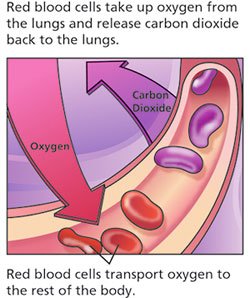
These cells, in the blood, carry oxygen and give the blood its color.
white blood cells
plasma
platelets
red blood cells

Where in your body can you find blood vessels?
around the heart
in hands & feet
in your head
virtually everywhere

Veins have special ________________ to stop blood from flowing backward.
gravity
valves
arteries
ventricles
What is the primary function of the circulatory system in relation to the digestive system?
Transporting oxygen to the digestive organs
Breaking down food into nutrients
Transporting nutrients to cells
Producing digestive enzymes
Which organ is responsible for pumping blood throughout the circulatory system?
Liver
Heart
Stomach
Lungs
How do the circulatory and digestive systems work together to maintain homeostasis?
By regulating body temperature
By transporting hormones
By delivering nutrients to cells
By filtering waste from the blood
Which of the following best describes the role of the small intestine in the digestive system?
Absorbing nutrients into the bloodstream
Producing bile for fat digestion
Storing undigested food
Breaking down proteins into amino acids
What is the role of the liver in the circulatory and digestive systems?
Producing red blood cells
Filtering toxins from the blood
Storing oxygen for later use
Breaking down carbohydrates
Which component of the blood is primarily responsible for transporting nutrients?
Red blood cells
White blood cells
Platelets
Plasma
What happens to the nutrients absorbed by the digestive system?
They are stored in the stomach
They are transported to cells by the circulatory system
They are excreted as waste
They are converted into oxygen

