
 Worksheets
ACSM CPT
Total questions: 25
Worksheet time: 25mins

Identify the hazardous symbol
explosive
flammable
oxidizing
corrosive

What does this symbol indicate?
Corrosive substances are present; protect your hands.
Wash your hands.
Extreme temperatures are present; wear appropriate gloves.
Bacteria are present.
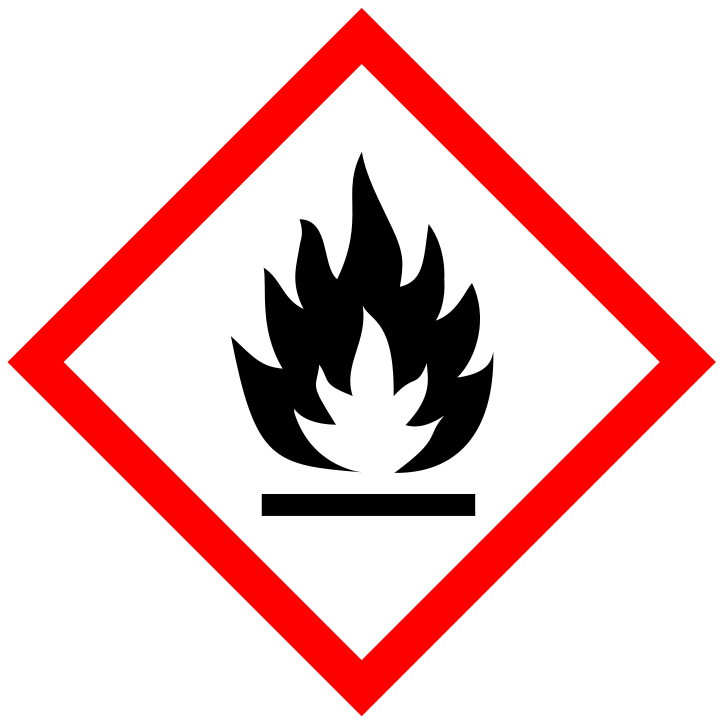
What does this symbol mean?
Flammable
Explosives
Oxidising Agent
Corrosive

When is it OK to eat or drink in the lab?
Always
Never

During cardiac arrest, what happens to a person?
The heart is still beating and pumping blood, and the person is still alive
The heart stops beating, the person doesn't respond, and the person isn't breathing normally.
The heart is still beating, the person isn't breathing normally, and blood stops moving
The heart is still beating and pumping blood, but the person isn't breathing normally.
What is the primary focus of the ACSM Certified Personal Trainer (CPT) certification?
Exercise science and fitness training
Nutrition and diet planning
Sports medicine and injury prevention
Psychological counseling
Which of the following is a key component of the ACSM CPT exam?
Cardiovascular physiology
Organic chemistry
Astrophysics
Genetic engineering
In the context of ACSM CPT, what does VO2 max measure?
Maximum oxygen uptake
Maximum heart rate
Maximum blood pressure
Maximum muscle strength
Which principle is essential for designing an exercise program according to ACSM guidelines?
Specificity
Randomness
Inactivity
Simplicity
What is the recommended frequency of aerobic exercise for general health according to ACSM?
3-5 days per week
1-2 days per week
6-7 days per week
Once a month
Which of the following is a method to assess body composition in ACSM CPT?
Bioelectrical impedance analysis
Blood glucose test
Lung capacity test
Electrocardiogram
What is the ACSM's position on resistance training for older adults?
It is beneficial and should be included
It should be avoided
It is only for athletes
It is not necessary
Which energy system is primarily used during high-intensity, short-duration exercises?
ATP-PC system
Aerobic system
Glycolytic system
Lactic acid system
What is the role of a warm-up in an exercise session according to ACSM?
To prepare the body for physical activity
To increase muscle mass
To burn more calories
To improve sleep quality
Which of the following is a common test for cardiovascular fitness in ACSM CPT?
Bruce treadmill test
Blood pressure test
Skinfold test
Flexibility test
What is the ACSM's recommendation for hydration during exercise?
Drink water before, during, and after exercise
Only drink water after exercise
Avoid drinking water during exercise
Drink only sports drinks
Which of the following is a benefit of regular physical activity according to ACSM?
Improved cardiovascular health
Increased risk of injury
Decreased bone density
Reduced muscle mass
What is the ACSM's guideline for the duration of moderate-intensity aerobic activity per week?
150 minutes
50 minutes
300 minutes
500 minutes
Which type of stretching is recommended by ACSM for improving flexibility?
Static stretching
Ballistic stretching
Dynamic stretching
Isometric stretching
What is the primary goal of a cool-down phase in an exercise session?
To gradually lower heart rate
To increase muscle strength
To enhance muscle growth
To improve mental focus
Which of the following is a sign of overtraining according to ACSM?
Chronic fatigue
Increased energy
Improved performance
Enhanced mood
What is the ACSM's stance on the use of supplements for performance enhancement?
Supplements should be used with caution
Supplements are essential
Supplements are not effective
Supplements are harmful
Which of the following is a recommended method for monitoring exercise intensity?
Heart rate monitoring
Calorie counting
Step counting
Sleep tracking
What is the ACSM's recommendation for strength training frequency per week?
2-3 days
1 day
4-5 days
Every day
Which of the following is a component of the FITT principle in exercise prescription?
Frequency
Inactivity
Time off
Tension

