
 Worksheets
Pollution and Natural Resources
Total questions: 25
Worksheet time: 25mins

Anything from nature that living things use is called a ______________.
energy
pollution
food
natural resource

When travelling short distances, you can conserve natural resources by ________.
biking
driving
taking a train
flying

Only a small amount of _______ on Earth's surface can be used by humans.
air
water
dirt
sand
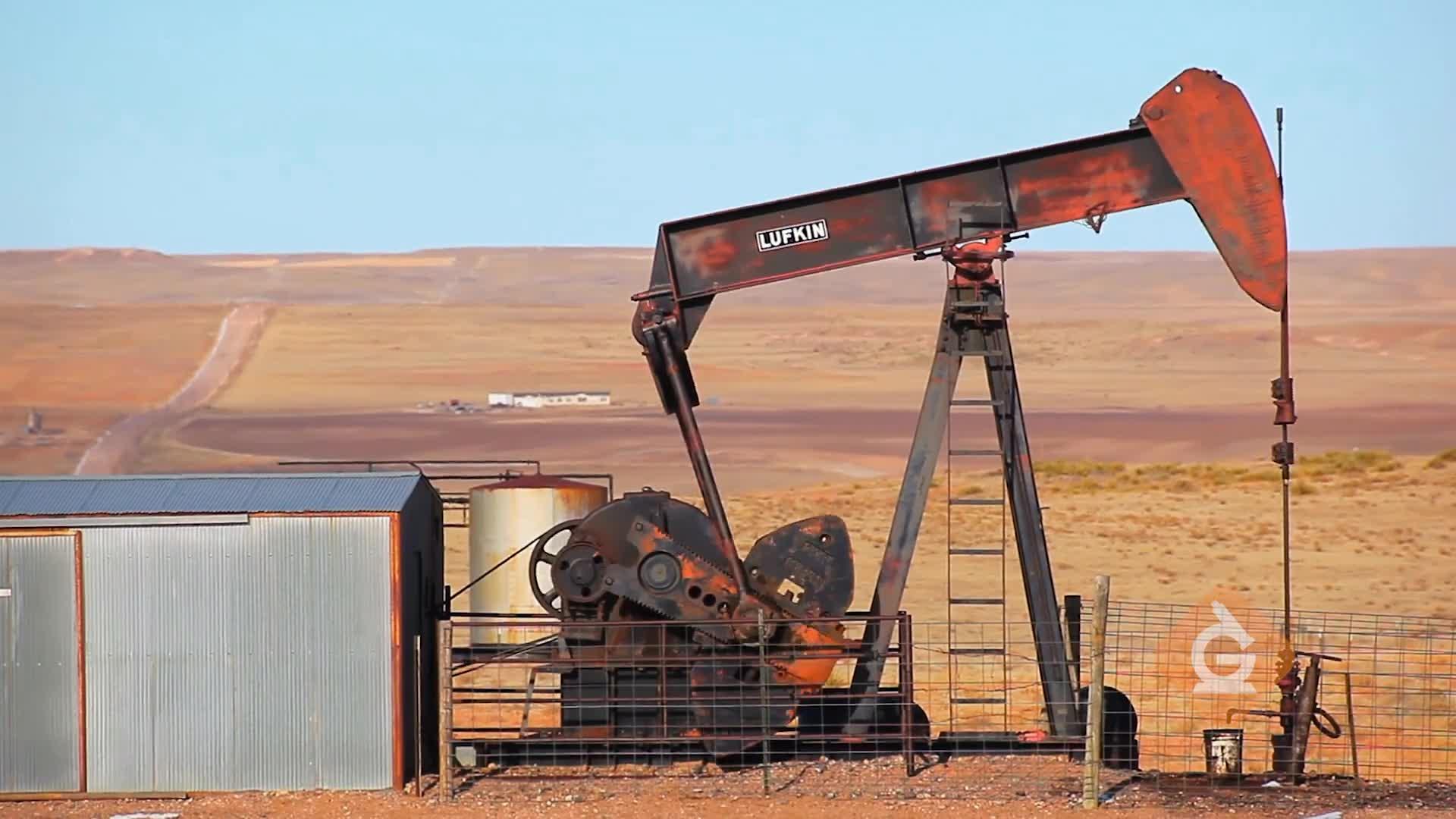
Which are ways we use fossil fuels?
eating and drinking
drinking and bathing
paper and building
cars and heat

Which is a way we can protect our natural resources?
litter
recycle
pollute
contaminate

To protect natural resources, we must _______ them by not wasting them.
conserve
dispose
stop
hide

Who uses natural resources?
animals
plants
people
all of the above
Something that comes from nature that people can use, like soil, water, trees.
Natural Resource
Fossil Fuels
Conservation
Burning fossil fuels can cause:
Air pollution
Water pollution
Land pollution
Is harmful substances in the environment, like smoke, garbage, and chemicals in water.
Air pollution
Pollution
Water pollution
Is a nonrenewable resource burned to make electricity.
Ruby
Copper
Coal
This is caused when people do not put trash where it belongs.
water pollution
land pollution
air pollution
Which of the following is a renewable natural resource?
Coal
Oil
Wind
Natural Gas
What is the primary cause of acid rain?
Carbon Dioxide
Sulfur Dioxide
Methane
Nitrogen
Which gas is a major contributor to the greenhouse effect?
Oxygen
Nitrogen
Carbon Dioxide
Helium
What is the main source of water pollution in rivers?
Industrial waste
Wind erosion
Solar radiation
Volcanic activity
Which of the following is a consequence of deforestation?
Increased biodiversity
Soil erosion
Improved air quality
Increased rainfall
What is the process by which plants use sunlight to make food?
Respiration
Photosynthesis
Transpiration
Fermentation
Which of the following is a nonrenewable resource?
Solar energy
Wind energy
Natural gas
Hydropower
What is the main component of smog?
Ozone
Carbon monoxide
Nitrogen
Sulfur
Which of the following practices can help reduce air pollution?
Burning more coal
Using public transportation
Deforestation
Increasing industrial production
What is the term for harmful substances in the environment?
Pollution
Conservation
Recycling
Composting
Which of the following is an effect of water pollution on aquatic life?
Increased oxygen levels
Decreased biodiversity
Improved water clarity
Enhanced fish growth
What is the primary source of energy for the Earth's climate system?
Geothermal energy
Nuclear energy
Solar energy
Wind energy
Which of the following is a method to conserve natural resources?
Overfishing
Recycling
Deforestation
Pollution

